


In this article
This article has been classified as ineligible for monetization under the platform’s current standards. Ads are not displayed on it, and it is not included in public article listings or internal search results. However, it remains accessible through its direct link.
Ineligibility does not necessarily mean that the article violates platform policies. It may relate to content standards, traffic quality, or the platform’s monetization requirements.
Decoding Spinal Curvature in Children: Causes, Treatments, and Prevention Strategies
Introduction
Welcome to a comprehensive exploration of pediatric spinal curvature! In this article, we embark on a journey to unravel the mysteries surrounding the causes, treatments, and prevention strategies for spinal curvature in children. Spinal curvature, a condition that affects the alignment of the spine, can have significant implications for a child's health and well-being. By understanding the intricacies of this condition and learning about effective treatment and prevention approaches, we can empower parents, caregivers, and healthcare professionals to provide the best care possible for children affected by spinal curvature.
Understanding Pediatric Spinal Curvature
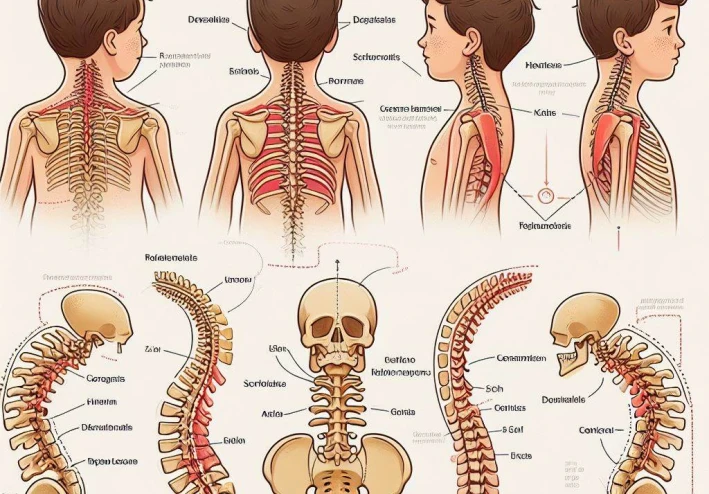
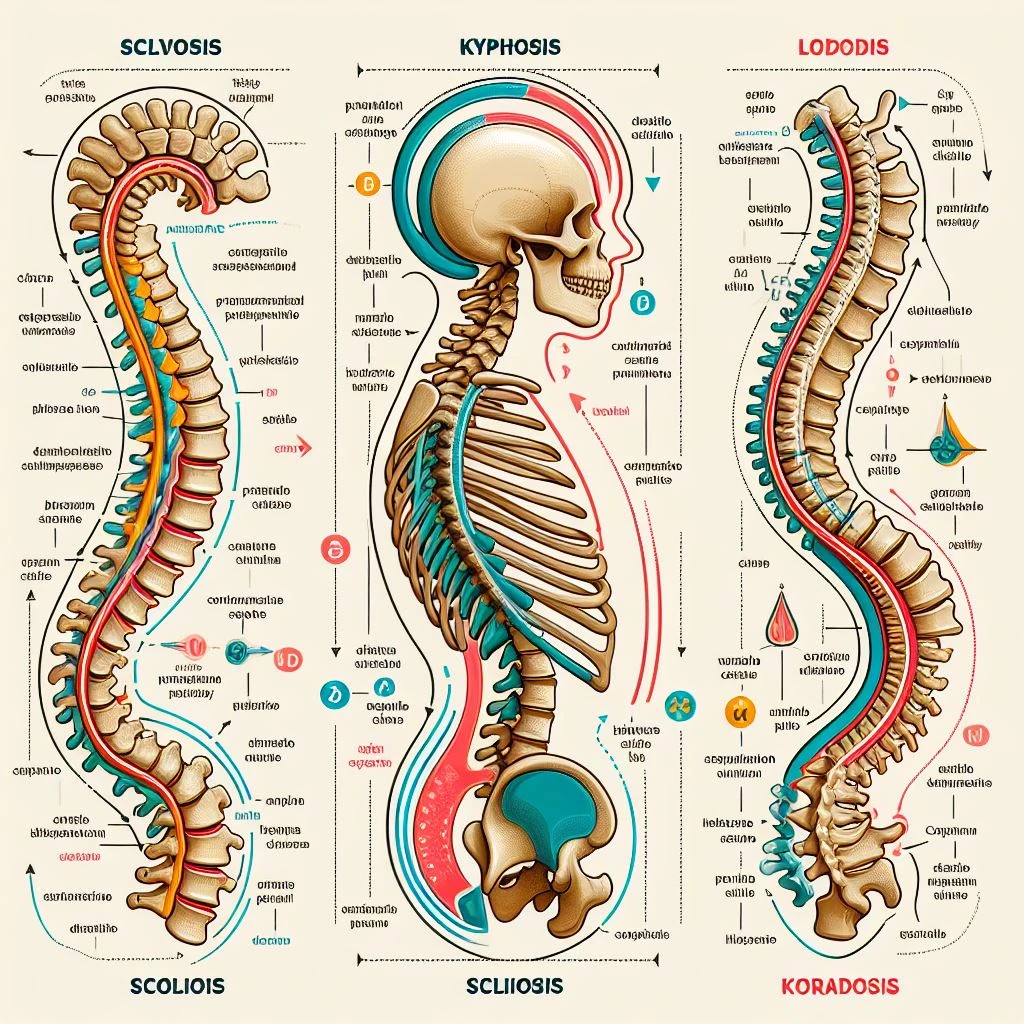
An Overview Pediatric spinal curvature refers to abnormal sideways or rotational curvature of the spine in children. This condition can manifest in various forms, including scoliosis, kyphosis, and lordosis. While some cases of spinal curvature in children are mild and may not require treatment, others can progress and cause significant discomfort, impair mobility, and affect overall quality of life. Understanding the basics of pediatric spinal curvature is essential for early detection, intervention, and management.
Unraveling the Causes of Spinal Curvature in Children
The causes of spinal curvature in children can be multifaceted and may involve a combination of genetic, developmental, and environmental factors. Genetic predisposition plays a significant role in many cases of spinal curvature, with family history often serving as an important indicator. Additionally, factors such as abnormal growth patterns, muscle imbalances, and neurological conditions can contribute to the development of spinal curvature in children. By identifying the underlying causes of spinal curvature, healthcare professionals can tailor treatment plans to address the specific needs of each child.
Treatment Approaches for Pediatric Spinal Curvature
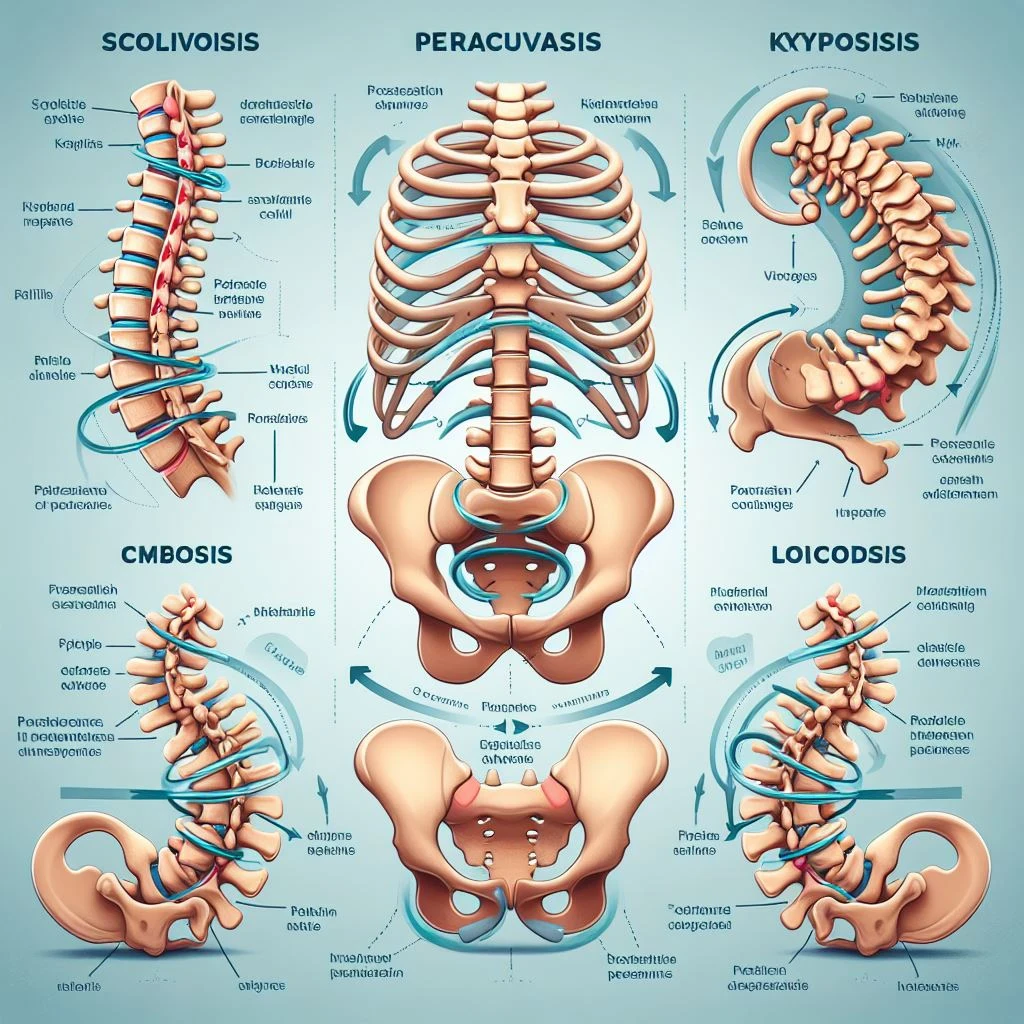
Treatment options for pediatric spinal curvature vary depending on the severity of the condition, the child's age and overall health, and other individual factors. Non-surgical interventions such as physical therapy, bracing, and orthotic devices are commonly used to manage mild to moderate cases of spinal curvature in children. For more severe or progressive cases, surgical procedures may be necessary to correct the spinal alignment and prevent further complications. Integrative therapies and complementary medicine modalities can also play a valuable role in supporting the overall well-being of children with spinal curvature.
Managing Pediatric Spinal Curvature: Tips for Parents and Caregivers
Parents and caregivers play a crucial role in managing pediatric spinal curvature and supporting their child's overall health and well-being. Creating a spine-healthy environment at home, encouraging regular physical activity, and promoting good posture habits are essential aspects of managing spinal curvature in children. Collaboration with healthcare providers, including pediatricians, orthopedic surgeons, and physical therapists, is key to developing a comprehensive treatment plan and ensuring ongoing monitoring and follow-up care.
Prevention Strategies for Pediatric Spinal Curvature
While not all cases of spinal curvature in children can be prevented, there are steps that parents, caregivers, and healthcare professionals can take to minimize the risk and promote spinal health from an early age. Early intervention and screening are critical for detecting spinal curvature in its early stages and implementing appropriate treatment measures. Promoting healthy habits such as regular exercise, maintaining a healthy weight, and avoiding activities that may strain the spine can help prevent the development or progression of spinal curvature in children. Educational initiatives aimed at raising awareness about spinal health and empowering families to take proactive measures can also contribute to prevention efforts.
Conclusion
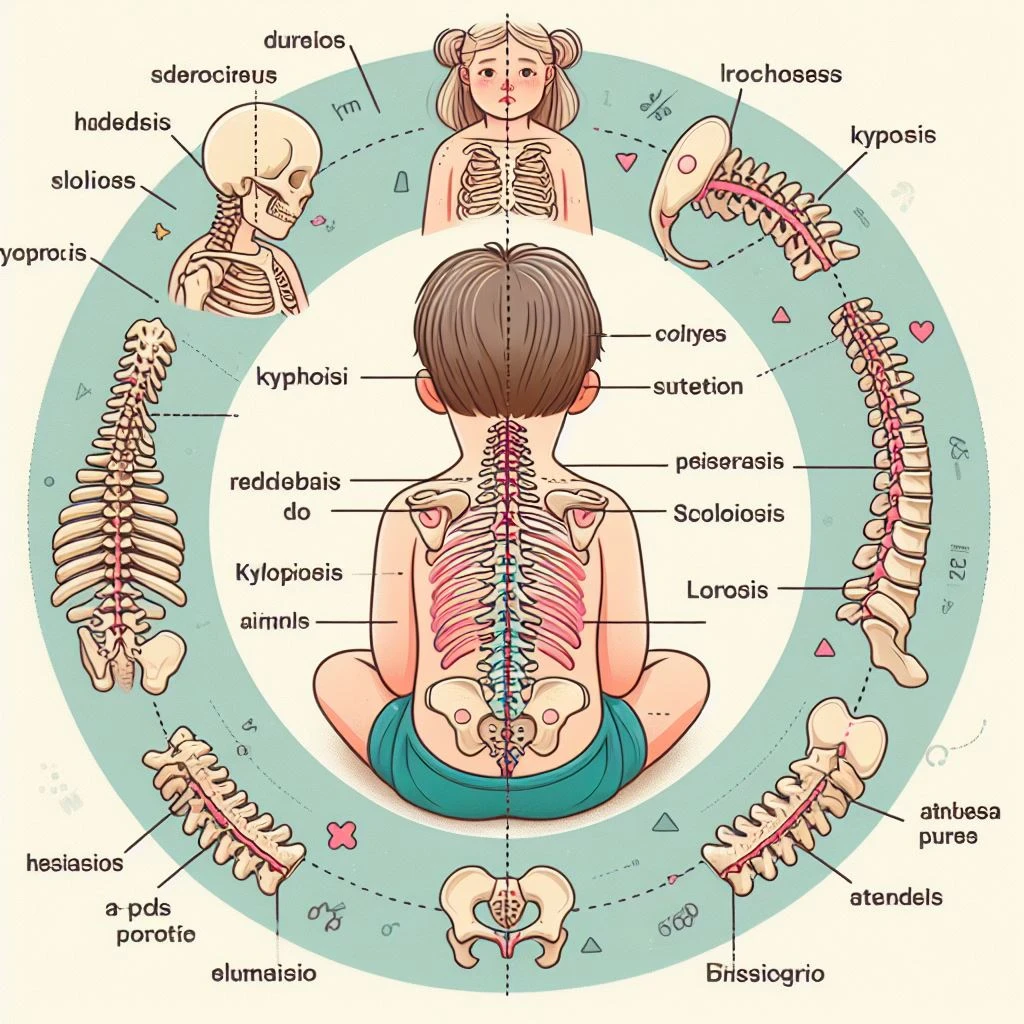
In conclusion, pediatric spinal curvature is a complex condition that requires a comprehensive approach to diagnosis, treatment, and prevention. By understanding the causes, exploring treatment options, and implementing preventive strategies, we can make significant strides in improving the lives of children affected by spinal curvature. With continued research, education, and collaboration among healthcare professionals, parents, and caregivers, we can decode the mysteries of spinal curvature in children and pave the way for a healthier future.
Keep up with Mo G
Choose site notifications, email, or both. Guests can subscribe by email without an account.
Report this article
Tell our review team about a problem with this content. Your details will not be shown to the author or other readers.
Your report could not be sent. Please try again later.
Sign in to report an article






Discussion
comments (0)
Share a perspective. Start a thoughtful conversation.
please login to be able to comment