

In this article
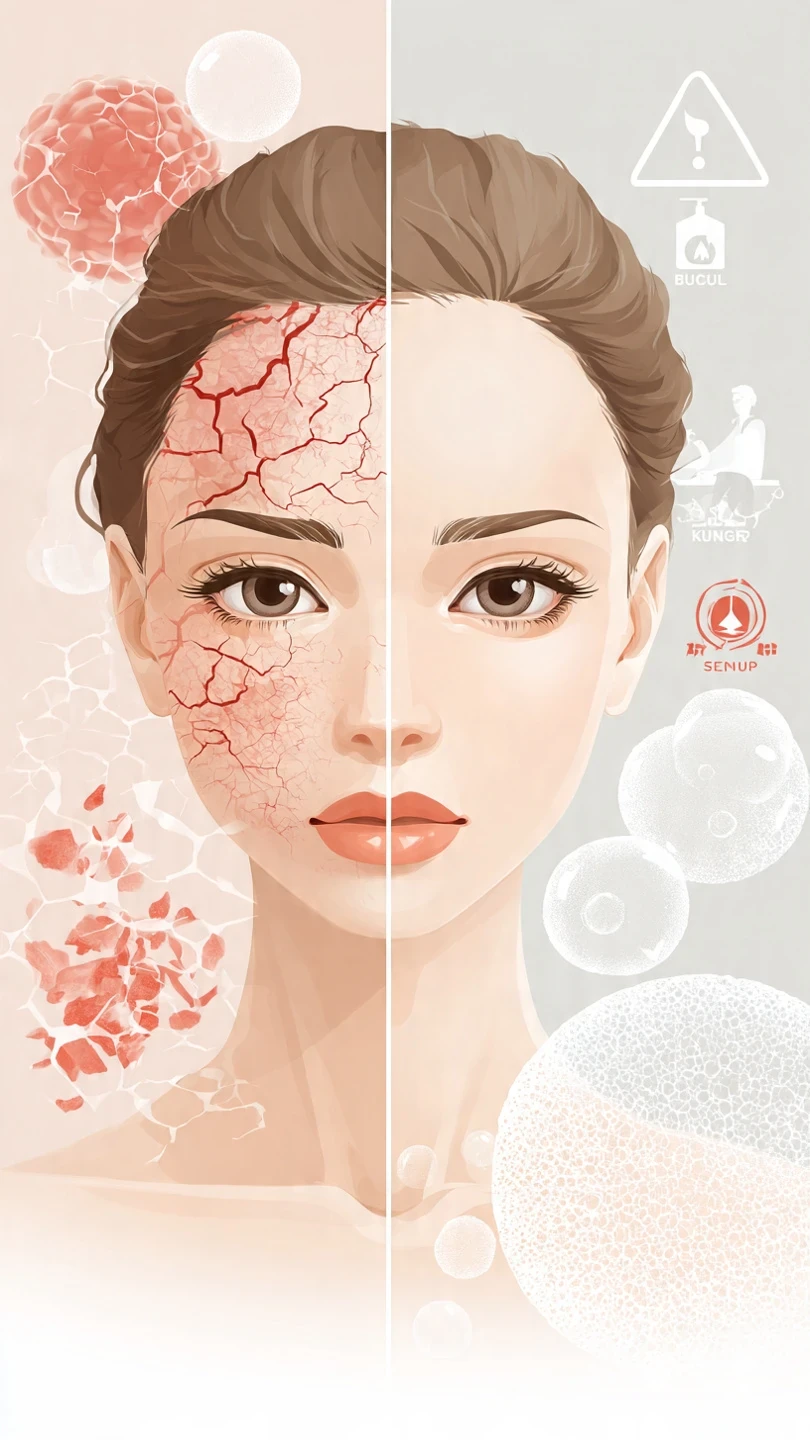
Over-Cleansing Your Skin: When Your Favorite Routine Turns Into a Silent Enemy
We all chase clear, glowing skin and believe the more we wash our face, the cleaner it gets. But the harsh truth is that “too much cleansing” can backfire and destroy your skin’s natural protective barrier.
1. Destroying Your Skin Barrier
Your skin has a thin, oily layer called the “skin barrier” or stratum corneum. Its job is to lock moisture in and keep bacteria, pollution, and irritants out. When you use harsh sulfate cleansers or scrub your face with rough towels every day, this barrier gets tiny cracks. The result? Your skin starts to turn red, feel tight, and burn even from plain water. It’s like removing the armor from your face and leaving it exposed to the world.
2. More Oil = More Acne
Here’s the irony no one talks about. Over-washing and daily exfoliation put your sebaceous glands in emergency mode. Your brain notices the extreme dryness and sends a signal: “Produce more oil fast to compensate.” So instead of getting rid of shine, your face becomes oilier two hours after washing, and breakouts increase. It’s a losing battle called “dryness versus oil,” and your skin always loses.
3. Chronic Irritation and Inflammation
Physical scrubs with sugar or salt granules, and electric cleansing brushes used daily, create microscopic tears in your skin. You can’t see them, but they’re there. These tiny wounds become open doors for bacteria and dirt. Over time, your skin becomes sensitive to everything: sunlight, sweat, perfume, even your regular moisturizer will sting. This can develop into eczema or chronic dermatitis that needs steroid creams.
4. Premature Aging and Wrinkles
Aggressive scrubbing and washing with very hot water break down collagen and elastin fibers that keep your skin firm and plump. Collagen takes years for your body to produce, but you can destroy it in seconds. The result is fine lines around your eyes and mouth showing up as early as age 25. You think you’re cleaning, but you’re actually “sanding” your face every single day.
5. Dullness and Dark Spots
When skin stays inflamed constantly, melanin cells get confused and produce excess pigment as a defense reaction. So you end up with dark brown spots where old pimples were, and they refuse to fade even after months. Plus, inflamed skin always looks dull, tired, and lifeless even if you slept 10 hours.
So What’s the Real Solution?
Dermatologists agree on one golden rule: Wash your face only twice daily, morning and night, with a gentle pH-balanced cleanser around 5.5. Skip the loofah and brushes, your clean fingers are enough. Pat dry with a soft cotton towel. Use only one exfoliator per week.
Remember: Clean skin doesn’t mean skin that’s “screaming from cleanliness.” Healthy skin is calm, comfortable skin that you’re not fighting every day.
Word count: 401 words
Meta Description:
Discover the dangers of over-cleansing skin. Learn how harsh washing destroys your skin barrier, causes acne, wrinkles, and dark spots. Get dermatologist tips for a safe routine.
Keywords: over-cleansing skin, damaged skin barrier, causes of dry skin, acne from washing too much, skincare routine mistakes, premature aging, skin inflammation
Keep up with مريم
Choose site notifications, email, or both. Guests can subscribe by email without an account.
Report this article
Tell our review team about a problem with this content. Your details will not be shown to the author or other readers.
Your report could not be sent. Please try again later.
Sign in to report an article








Discussion
comments (0)
Share a perspective. Start a thoughtful conversation.
please login to be able to comment