
في هذا المقال
Top 7 Herbs Used in Alternative Medicine
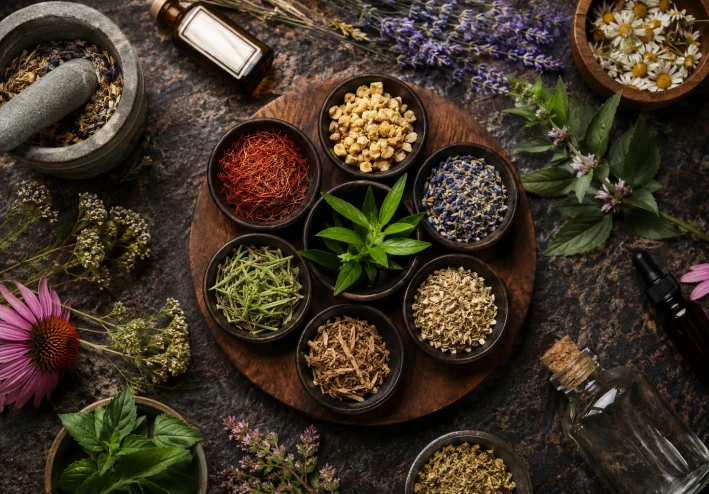
Look, herbal medicine isn't some new-age fad that popped up because a wellness influencer said so. People have been leaning on plants to feel better for literally thousands of years, way before pharmacies existed on every corner. Is all of it backed by rock-solid science? Nah, not always. But some of these herbs have real research behind them, and they're worth knowing about even if you're just herb-curious. Here's the rundown, no fluff.
Turmeric: Curcuma longa
This is the golden stuff that turns your curry orange and stains literally everything it touches. The active compound, curcumin, has been studied for its anti-inflammatory effects, and there's decent evidence it can help with joint pain and general inflammation. The catch? Curcumin is notoriously hard for your body to absorb on its own. That's why you'll see it paired with black pepper (piperine) in supplements — it seriously boosts absorption. Sprinkling turmeric on your eggs is nice, but if you want a therapeutic dose, you're probably looking at a supplement.
Ginger: Zingiber officinale
Your grandma wasn't playing games when she handed you ginger tea for a stomachache. Ginger's got legit backing for nausea, whether it's from motion sickness, chemo, or morning sickness during pregnancy (though pregnant folks should still check with a doctor on dosage). It also shows up in a lot of digestive remedies because it can help speed up stomach emptying. Fresh, dried, candied, tea — doesn't matter much how you take it, it still brings the heat.
Echinacea: Echinacea purpurea
This one's the classic "I feel a cold coming on" herb. It's a purple coneflower native to North America, and Indigenous peoples used it for ages before it hit every drugstore shelf. The science on echinacea is honestly mixed — some studies say it can shorten a cold by about a day, others say it's basically a placebo. Worth trying if you're into it, just don't expect miracles.
Ashwagandha: Withania somnifera
This is the herb everybody's been talking about lately, and for once the hype has some legs. It's an adaptogen, meaning it's supposed to help your body handle stress better. Studies have shown it can lower cortisol levels and help with anxiety and sleep. It's been a staple in Ayurvedic medicine in India for centuries, so this isn't some overnight discovery — the internet just caught up.
Ginseng: Panax species
Asian ginseng and American ginseng aren't the same plant, and they don't do the exact same thing, so don't grab whichever's cheaper and assume it's identical. Asian ginseng is more associated with energy and mental sharpness, while American ginseng tends to have a calmer effect. Both have some research behind them for fatigue and cognitive function, though results are still kind of hit or miss depending on the study.
Elderberry: Sambucus nigra
You've probably seen elderberry syrup blowing up during cold and flu season, and there's some real reason for that. Elderberries have antiviral properties that may help shorten the duration of flu symptoms. Just a heads up — raw elderberries and unripe ones are toxic, so don't go picking these off a bush and eating them straight. Cooked, syrup, or supplement form only.
Milk Thistle: Silybum marianum
This one's all about the liver. Milk thistle contains silymarin, a compound that's been studied for protecting liver cells and even helping folks recovering from liver damage caused by alcohol or certain medications. It's not going to undo years of hard partying overnight, but there's genuine research suggesting it supports liver health.
Last But Not Least
Herbs aren't magic, and they're not a replacement for actual medical care when you need it. But plenty of them have real, measurable effects, and knowing the difference between "ancient wisdom with modern backing" and "just a trend" can help you make smarter choices. Always chat with a doctor before adding anything new to your routine, especially if you're on other meds — herbs can interact in ways people don't expect.
تابع جديد Moustafa
اختر إشعارات الموقع أو البريد أو الاثنين. الزائر يقدر يشترك ببريده دون تسجيل حساب.
الإبلاغ عن المقال
لو لاحظت مشكلة في المحتوى، أرسلها لفريق المراجعة. لن تظهر بياناتك لكاتب المقال أو للقراء.
تعذّر إرسال البلاغ الآن. حاول مرة أخرى لاحقًا.
سجّل الدخول لإرسال بلاغ








النقاش
التعليقات (0)
فكرة تضيفها، أو سؤال يفتح حوارًا.
الرجاء تسجيل الدخول لتتمكن من التعليق