

In this article
Hair Care Tips for Healthier, Stronger, and More Beautiful Hair
__________________________________________________________________________________________________________
Who doesn't want healthy, soft, and shiny hair? Most of us have tried different shampoos, oils, masks, and hair products hoping to get that perfect hair. But the truth is, healthy hair is not about using the most expensive products. It is mostly about having a simple routine and being consistent with it.
Taking care of your hair means paying attention to your scalp, protecting your ends, keeping your hair moisturized, and avoiding habits that cause unnecessary damage. From hair oiling and trimming split ends to using a silk cap while sleeping, small changes can make a big difference over time.
So, if you are looking for simple and practical hair care tips, here are some habits worth adding to your routine.
Why Is Hair Care Important?
Our hair goes through a lot every day. Sun exposure, heat styling, pollution, frequent washing, hair dyes, and even the way we brush it can affect its condition.
You may notice that your hair becomes dry, frizzy, tangled, or full of split ends. Sometimes, the problem is not the lack of products but the way we treat our hair.
A good hair care routine helps keep your hair looking healthier while reducing unnecessary breakage and dryness.
Hair Oiling: An Old Habit That Still Works
Hair oiling has been part of hair care routines for generations, and there is a reason people still love it. A little oil can make dry hair feel softer, smoother, and easier to manage.
You don't need to completely soak your hair in oil. In fact, using too much can make your hair difficult to wash.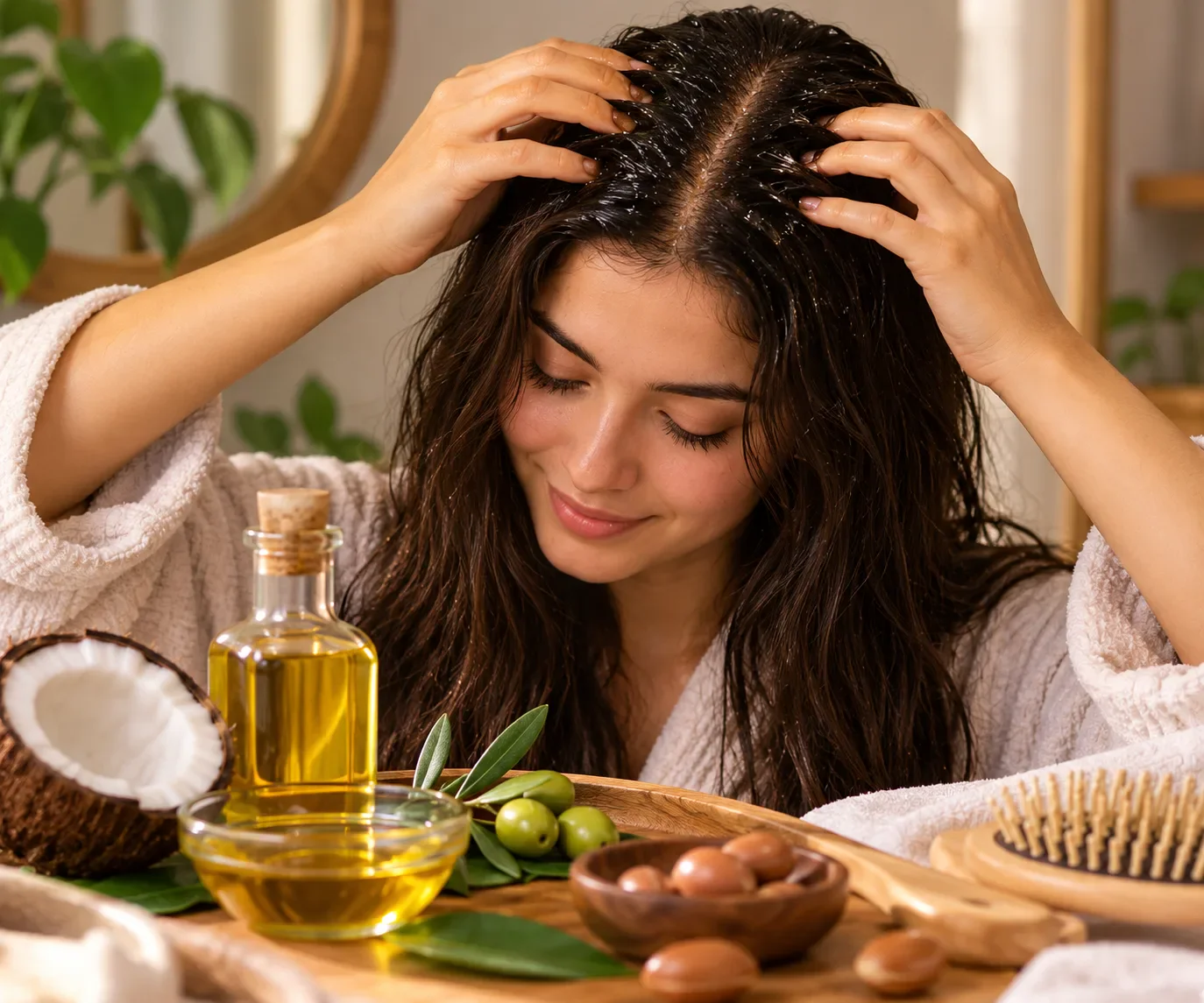
How to Oil Your Hair
Choose an oil that works for your hair, such as coconut oil, olive oil, argan oil, jojoba oil, or another lightweight hair oil.
Apply a small amount to your scalp and gently massage it with your fingertips. Then, spread a little oil through the lengths and especially the ends, where hair tends to become drier.
Leave it for around 30 minutes to a few hours and then wash your hair normally.
For most people, once or twice a week is more than enough. You don't have to oil your hair every day to see benefits.
Don't Forget to Trim Your Hair
If you are trying to grow your hair, cutting it might sound like the last thing you want to do. But leaving damaged and split ends untreated can make your hair look thinner and less healthy.
Trimming doesn't make your hair grow faster from the roots, but it can help you maintain healthier-looking ends and prevent split ends from traveling further up the hair shaft.
You don't need to cut a lot. Sometimes, a small trim is all your hair needs to look fresher.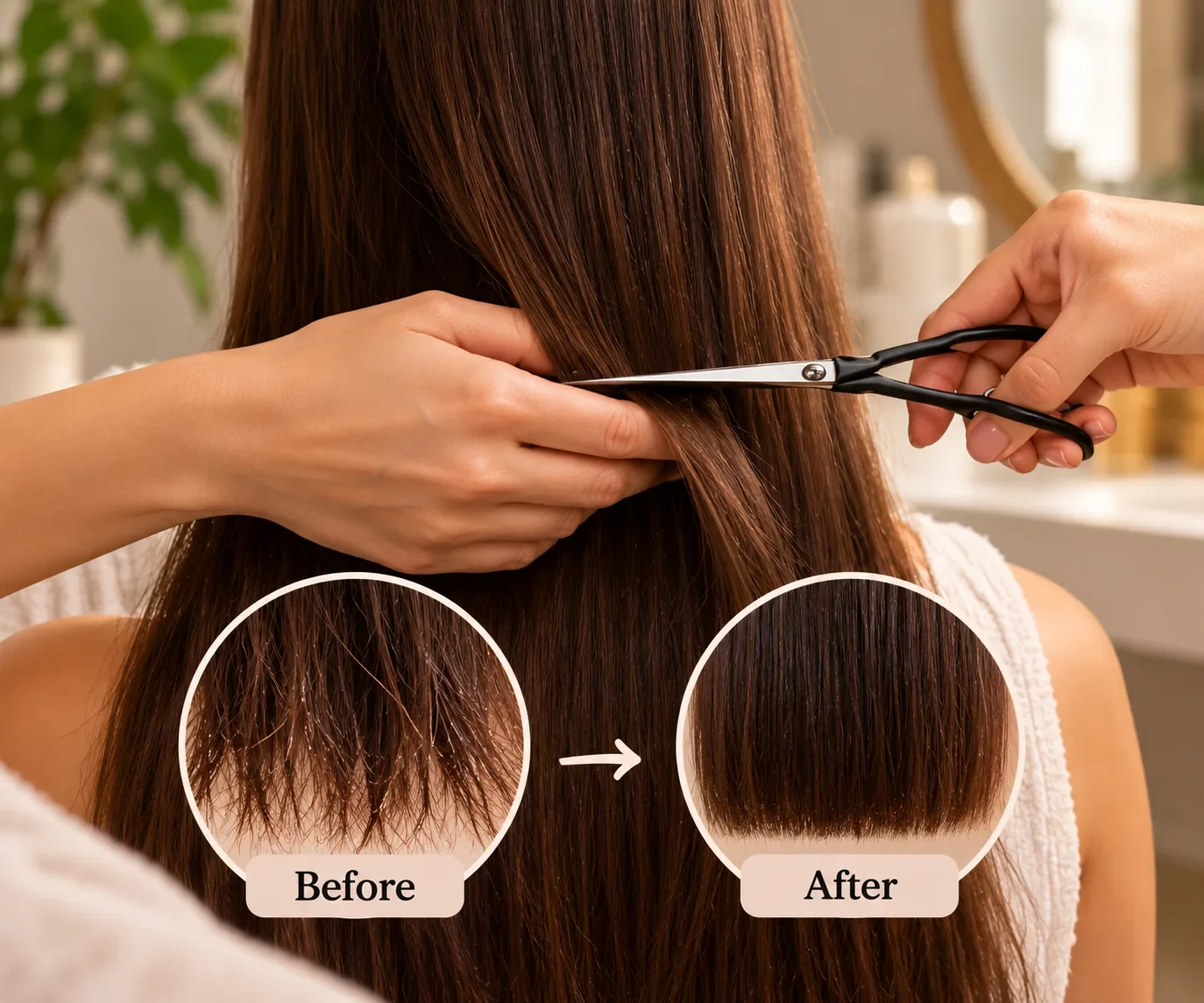
Hair Masks: Give Your Hair Some Extra Love
Sometimes conditioner isn't enough, especially when your hair feels extremely dry or rough. This is where a hair mask can be useful.
You can buy a ready-made mask, or you can make a simple one at home using ingredients you already have.
Ingredients You Can Add to a Hair Mask
Different ingredients can help with different hair needs.
Aloe vera can give the hair a lightweight feeling of moisture.
Honey is a humectant, meaning it can help attract and retain moisture.
Avocado contains fats that can help make dry hair feel softer.
Yogurt can provide a conditioning effect and is commonly used in homemade hair masks.
Coconut oil can help reduce protein loss from the hair and improve its feel.
Argan oil is another popular ingredient for adding softness and shine.
You don't need to mix ten ingredients together. Sometimes, keeping your hair mask simple is better.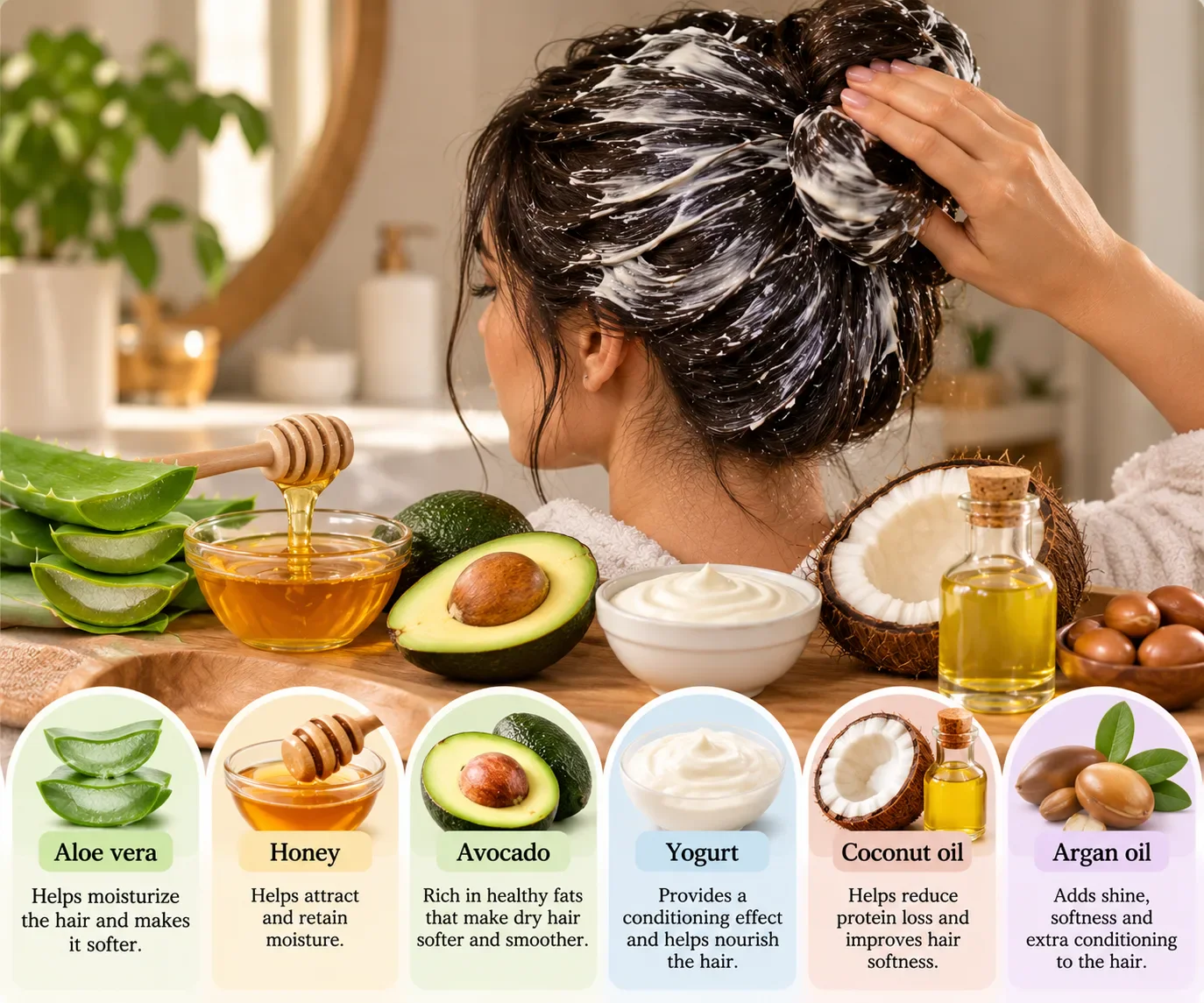
Sleep With a Silk or Satin Cap
This is one of those small habits that can make your nighttime routine much better for your hair.
While you sleep, your hair constantly rubs against your pillow. This friction can lead to tangles, frizz, and breakage, especially if your hair is curly, dry, or fragile.
A silk or satin cap creates a smoother surface, which can reduce friction while you move around during the night.
Don't like wearing a cap? That's completely fine. A silk or satin pillowcase can be a good alternative.
Before going to bed, gently detangle your hair and avoid tying it too tightly. You can put it into a loose braid or another comfortable protective style.
And one important tip: try not to sleep with soaking-wet hair. Wet hair is more fragile and can break more easily when it is rubbed against your pillow.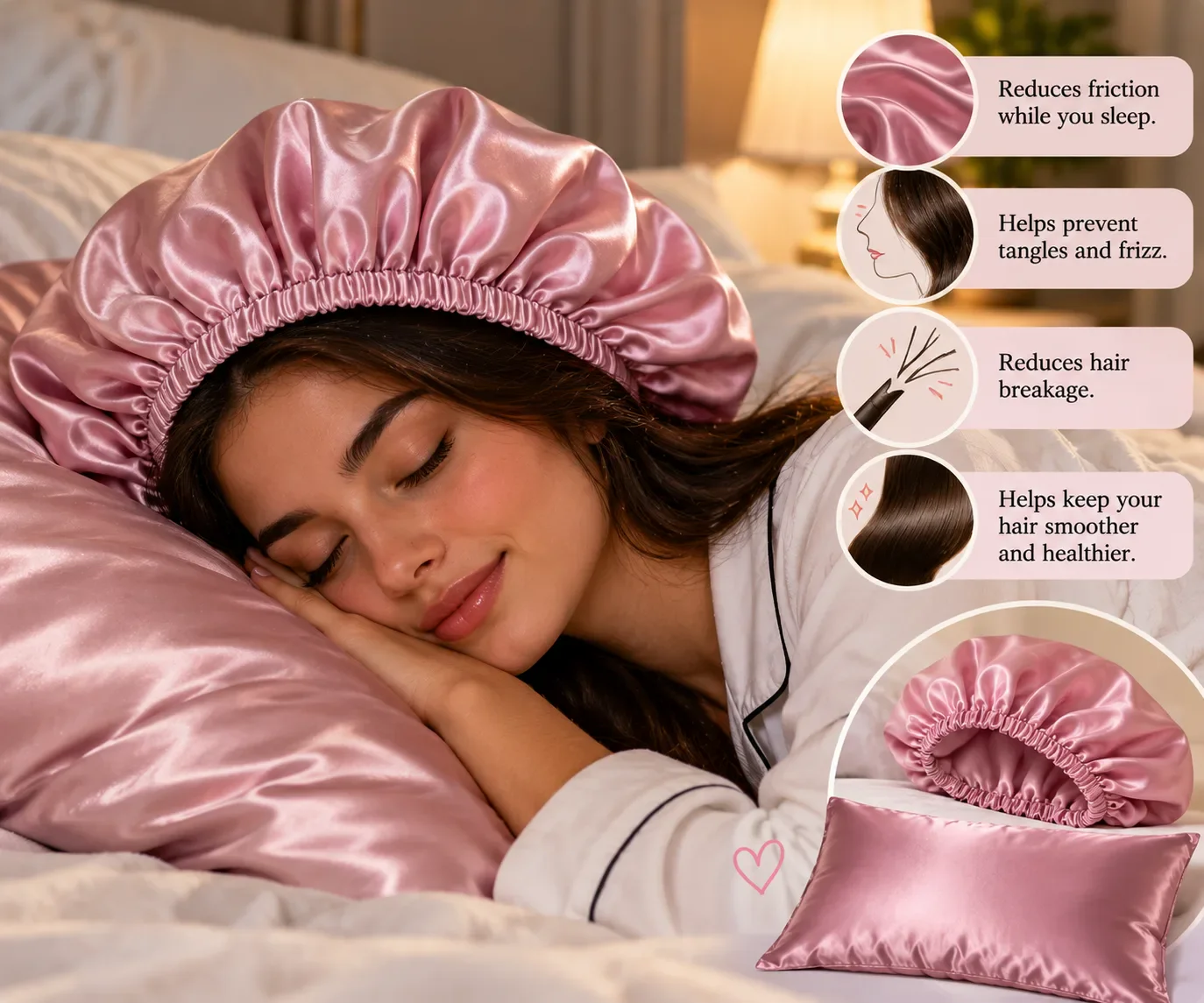
Be Careful With Heat
Straighteners, curling irons, and blow dryers can give you beautiful results, but using them too often or at very high temperatures can leave your hair dry and damaged.
You don't have to completely stop using heat. Just be smarter about it.
Use a heat protectant before styling, choose a reasonable temperature, and avoid repeatedly passing the tool over the same section of hair.
If you are using a hair dryer, letting your hair dry naturally for a while first can also reduce the amount of heat exposure.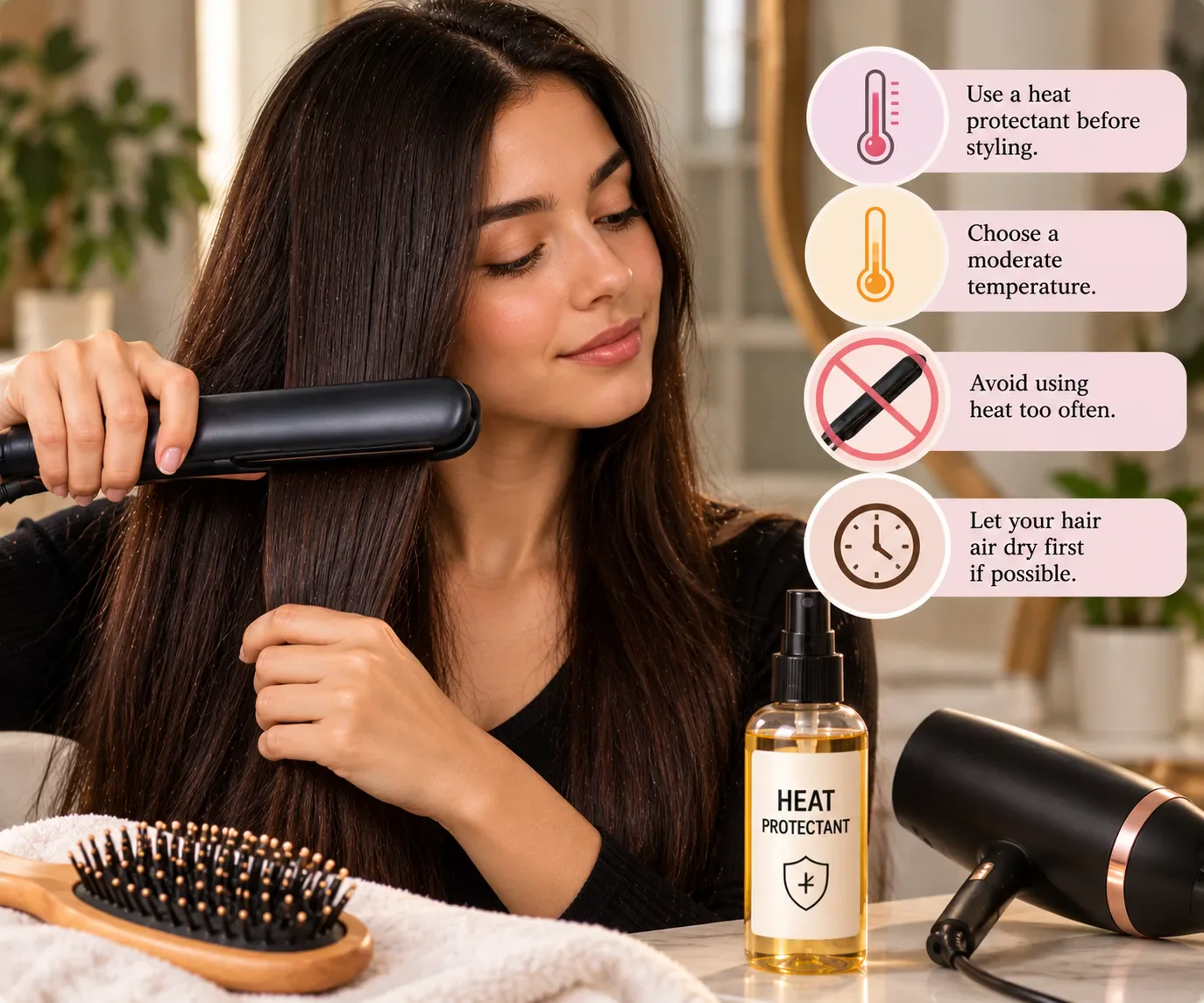
Choose Your Shampoo and Conditioner Carefully
You don't need a shelf full of hair products to have healthy hair.
The important thing is finding products that suit your scalp and hair type. If your scalp gets oily quickly, you may need to wash it more often. If your hair is naturally dry, you may need a gentler shampoo and more conditioning.
And don't skip the conditioner.
Apply it mainly to the middle and ends of your hair, where dryness and tangling are usually more noticeable.
Take Care of Your Scalp Too
We often focus so much on the hair itself that we forget about the scalp.
Your scalp is where your hair grows, so keeping it clean and comfortable is an important part of hair care. Regular washing helps remove sweat, excess oil, dead skin cells, and product buildup.
However, if your scalp is constantly itchy, painful, or covered with severe dandruff, don't keep trying random home remedies. It may be better to speak with a dermatologist to find out what is actually causing the problem.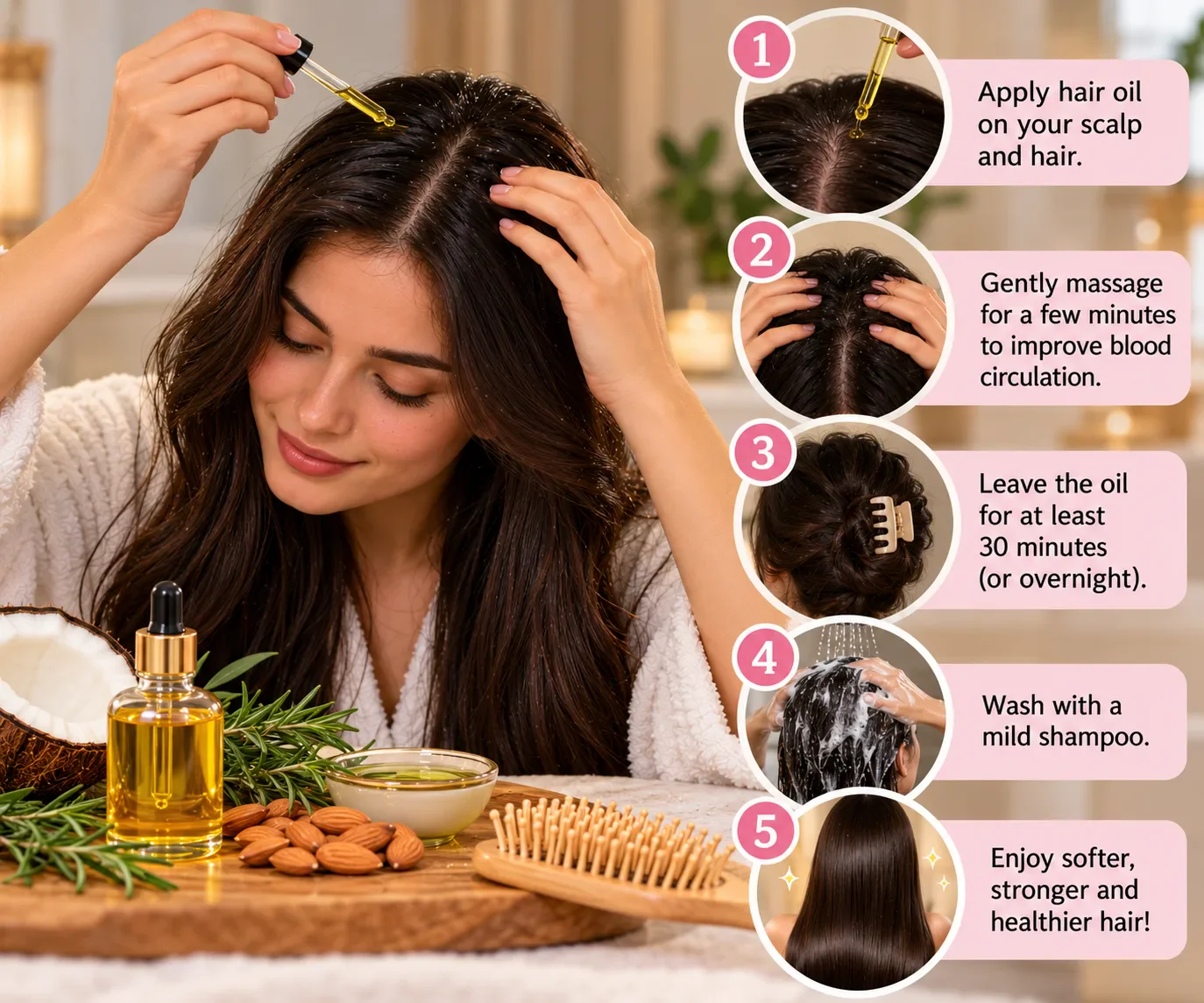
Protect Your Hair From the Sun and Swimming
Your hair also needs protection when you are outside or spending time in a swimming pool.
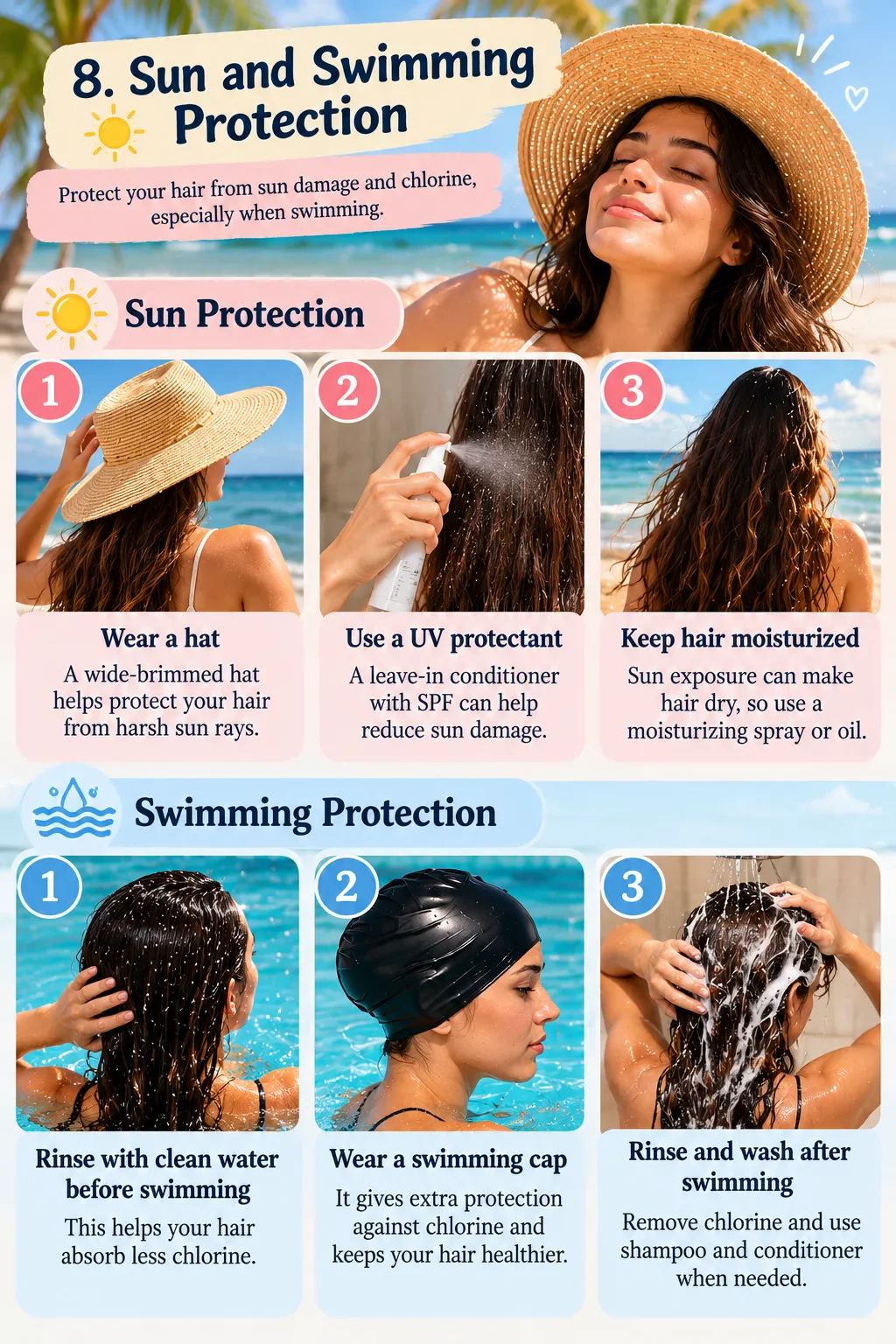
Long periods of sun exposure can leave hair feeling dry, while chlorine can make it rough and more difficult to manage.
If you swim regularly, rinse your hair with clean water before entering the pool. You can also wear a swimming cap for extra protection.
After swimming, rinse your hair thoroughly and use shampoo and conditioner when necessary.
Your Diet Matters Too
Hair care isn't only about oils, masks, and shampoos. What you eat matters as well.
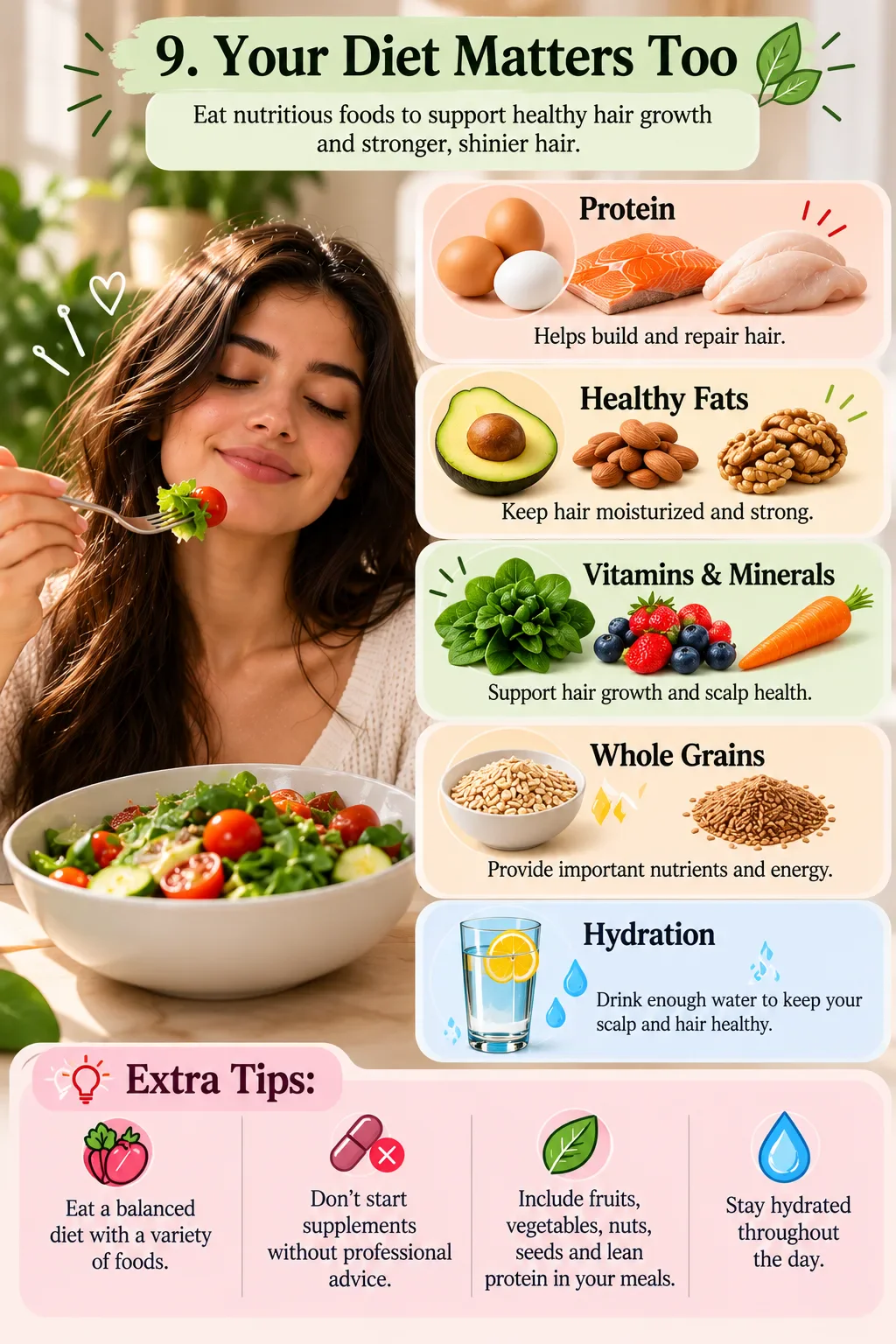
Your body needs enough protein and nutrients to support normal hair growth and maintenance. Try to include foods such as eggs, fish, beans, nuts, seeds, vegetables, fruits, and whole grains as part of a balanced diet.
And don't immediately start taking hair supplements because you notice some shedding. If you think you may have a nutritional deficiency or you are experiencing unusual hair loss, it's better to talk to a healthcare professional first.
Common Hair Care Mistakes You Should Avoid
Sometimes, the things we do every day are the reason our hair keeps getting damaged.
Brushing Too Hard
Be gentle when brushing, especially when your hair is wet. Start from the ends and slowly work your way upward instead of pulling through tangles.
Wearing Tight Hairstyles Every Day
Tight ponytails, buns, and braids can put stress on your hair and scalp. Give your hair a break and choose looser hairstyles when possible.
Using Too Much Heat
You don't need to straighten or curl your hair every day. Give your hair some heat-free days whenever you can.
Using Too Many Products
More products don't always mean better hair. A simple routine that works for you is usually much easier to maintain.
Ignoring Split Ends
Serums and oils can make split ends look better temporarily, but they cannot permanently repair a split end. When the ends are badly damaged, trimming is the real solution.
A Simple Hair Care Routine to Follow
You don't need to spend hours taking care of your hair. A simple routine can be enough.
Once or twice a week: Oil your hair before washing if it works well for your hair.
On wash days: Shampoo your scalp and condition your lengths and ends.
Once a week: Use a hair mask if your hair needs extra moisture or conditioning.
Every night: Gently detangle your hair and use a silk or satin cap or pillowcase.
Every few months: Check your ends and trim them when needed.
Every day: Be gentle with your hair, avoid unnecessary heat, and don't keep it tied tightly all day.
Taking care of your hair doesn't have to be complicated or expensive. You don't need a hundred different products or a complicated routine. Start with the basics: keep your scalp clean, moisturize your hair, oil it when needed, trim damaged ends, protect it from heat, and reduce friction while you sleep with a silk or satin cap.
Most importantly, give your routine time. Hair doesn't transform overnight. Consistent, gentle care is what makes the real difference.
Your hair doesn't need perfection. It simply needs a little more care, a little less damage, and a routine that you can actually stick to.
Keep up with RANA.E.T ALGAMAL
Choose site notifications, email, or both. Guests can subscribe by email without an account.
Report this article
Tell our review team about a problem with this content. Your details will not be shown to the author or other readers.
Your report could not be sent. Please try again later.
Sign in to report an article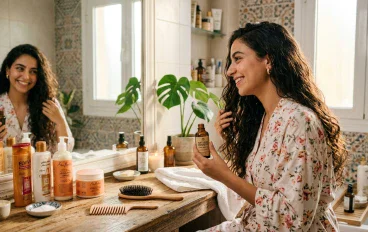






Discussion
comments (0)
Share a perspective. Start a thoughtful conversation.
please login to be able to comment