

In this article
What Is Nutrition?
Nutrition is the process through which the body takes in and uses nutrients from food. These nutrients help the body grow, repair tissues, produce energy, and maintain normal body functions.
A balanced diet includes different types of foods that provide essential nutrients, such as carbohydrates, proteins, fats, vitamins, minerals, and water.
The Six Essential Nutrients
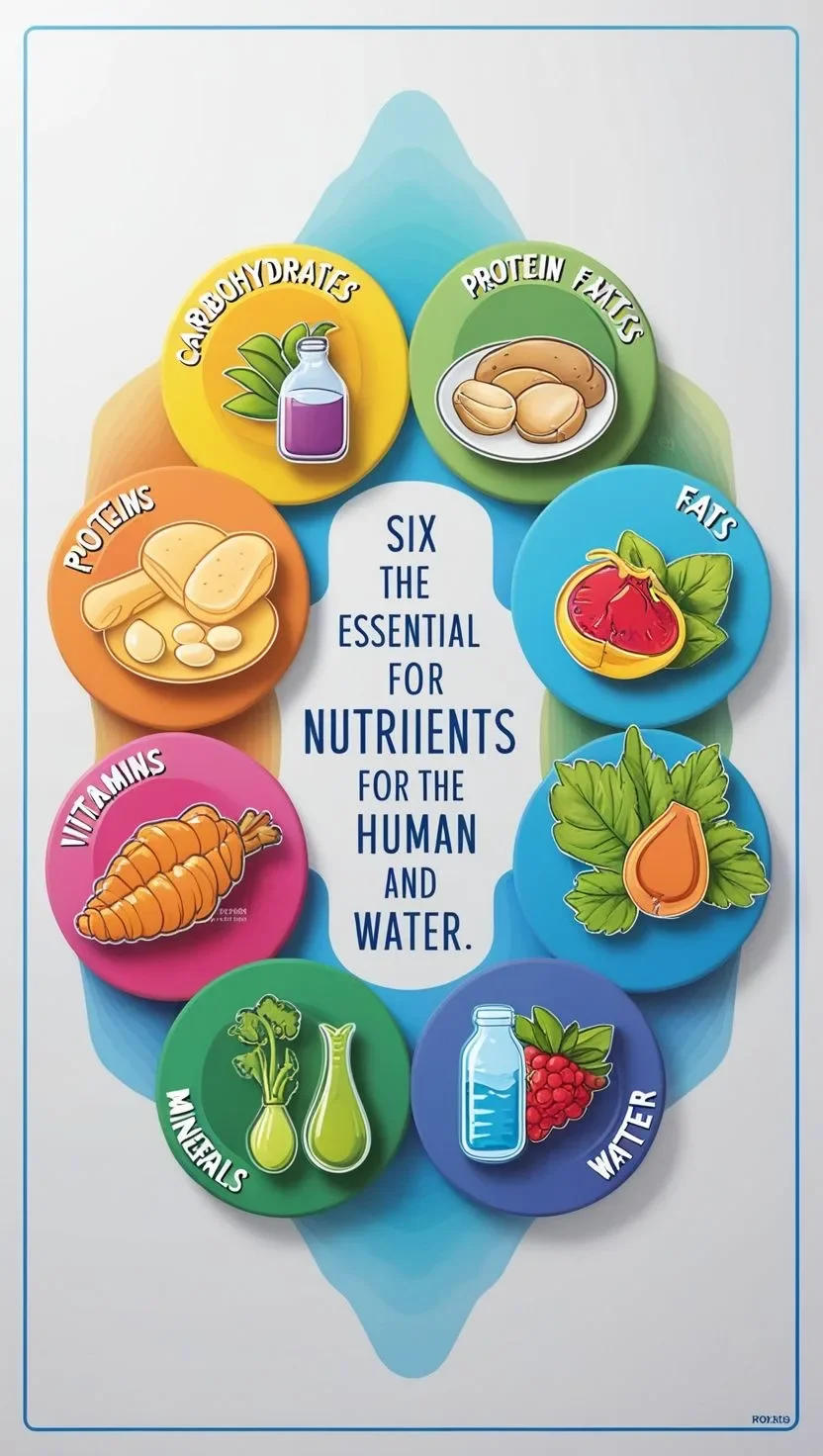
Understanding the main nutrients is the first step toward building a healthy diet.
1. Carbohydrates
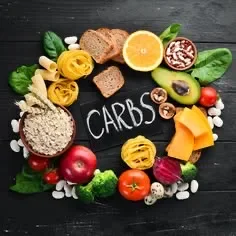
Carbohydrates are the body’s primary source of energy. They are found in foods such as rice, bread, oats, fruits, and potatoes. Choosing whole grains and fiber-rich foods can support digestion and provide lasting energy.
2. Proteins
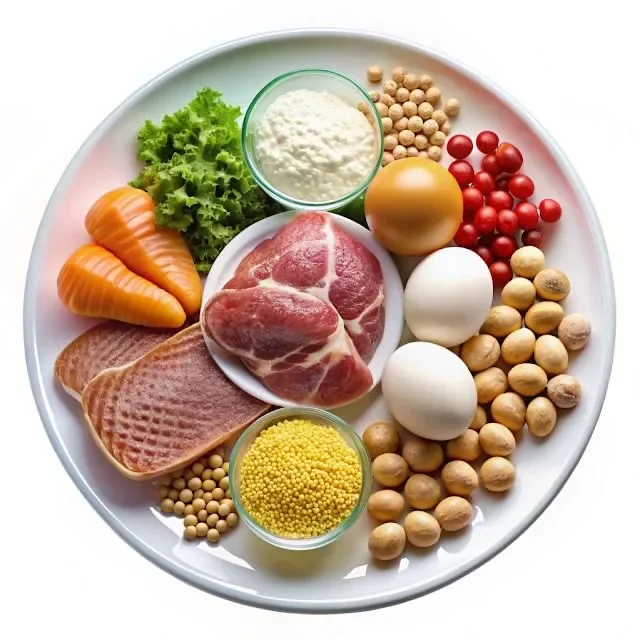
Proteins are essential for building and repairing muscles and body tissues. Good sources include eggs, chicken, fish, beans, milk, and nuts.
3. Healthy Fats
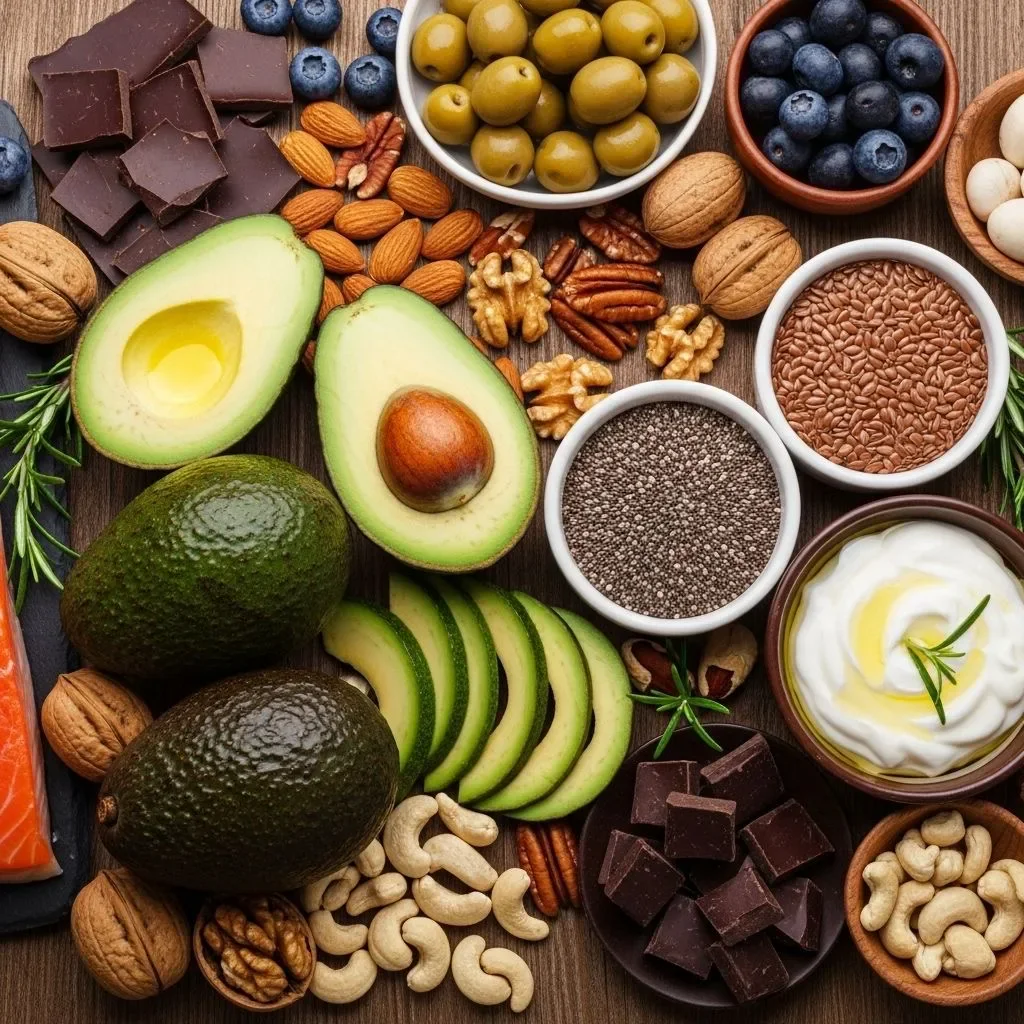
Fats provide energy, support hormone production, and help the body absorb certain vitamins. Healthy fat sources include olive oil, avocados, nuts, and fatty fish.
4. Vitamins
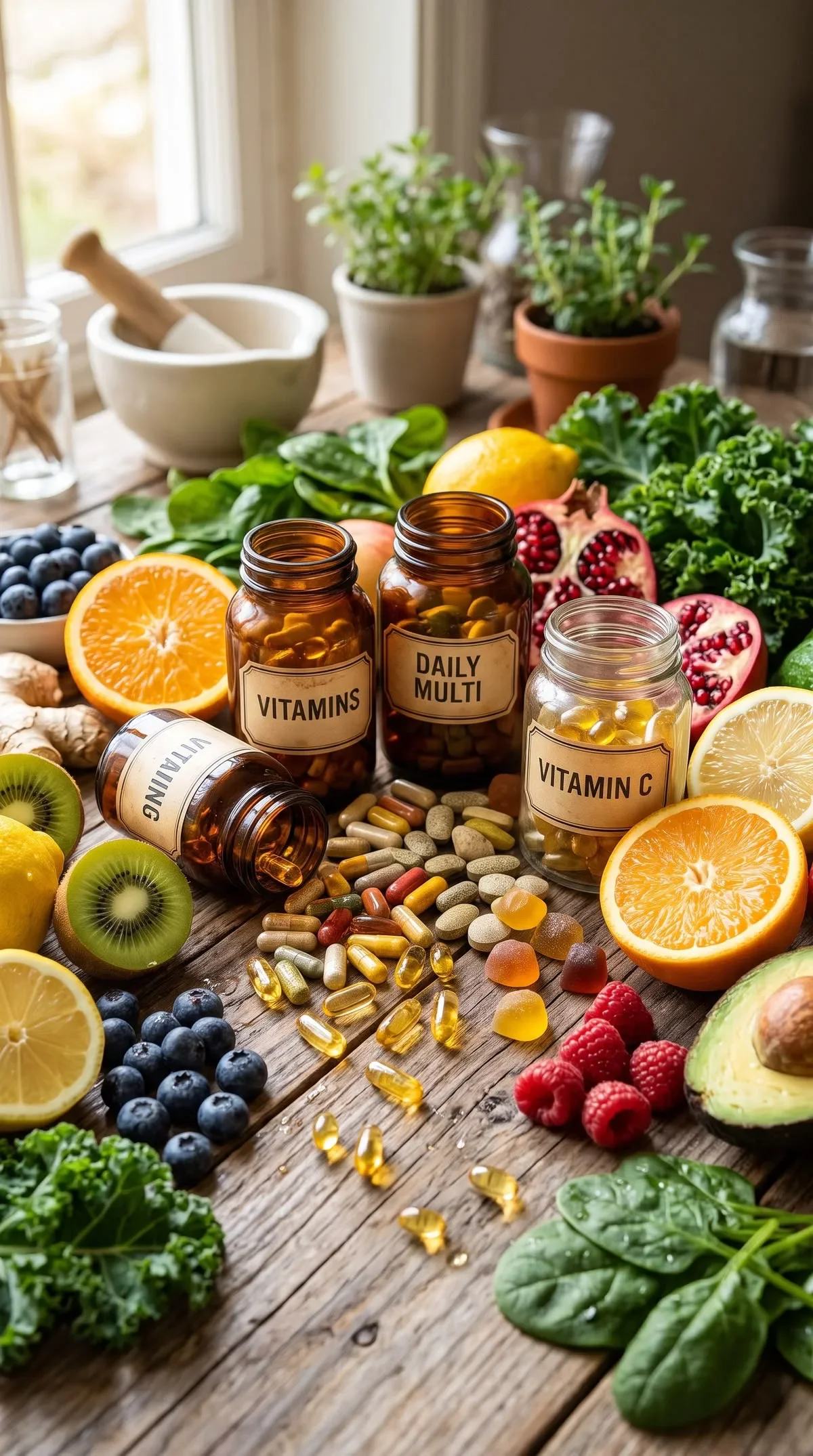
Vitamins support different functions in the body, including the immune system, skin health, and energy metabolism. Fruits and vegetables are excellent sources of many vitamins.
5. Minerals
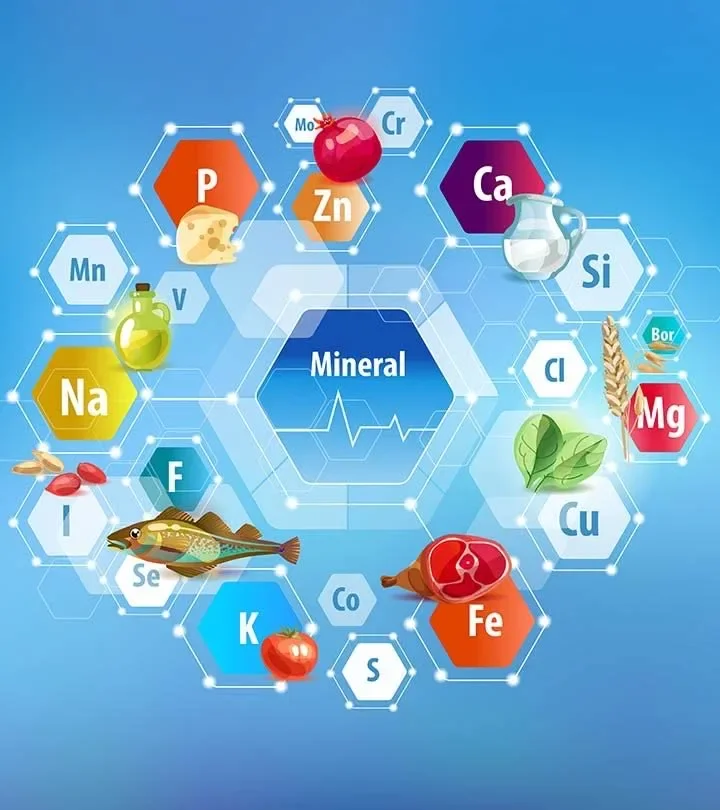
Minerals such as calcium, iron, potassium, and magnesium are important for strong bones, healthy blood, muscle function, and nerve communication.
6. Water

Water is essential for life. It regulates body temperature, supports digestion, transports nutrients, and helps the body maintain its normal functions.
Why Is Good Nutrition Important?
Healthy eating offers many benefits, including:
- Improved energy levels: A balanced diet provides the energy needed for daily activities.
- Better brain function: Essential nutrients support concentration and cognitive performance.
- Stronger immunity: Vitamins and minerals help the immune system function properly.
- Healthy digestion: Fiber-rich foods support gut health and regular digestion.
- Long-term health: Balanced eating habits can reduce the risk of several chronic diseases.
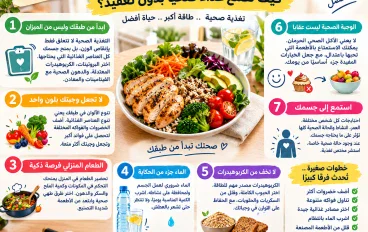
Tips for Maintaining a Balanced Diet
You do not need a complicated meal plan to improve your nutrition. Small, consistent changes can make a meaningful difference.
- Eat a variety of fruits and vegetables.
- Include protein sources in your meals.
- Choose whole grains more often.
- Drink enough water throughout the day.
- Limit excessive consumption of highly processed foods.
- Avoid skipping meals unnecessarily.
- Focus on balance rather than perfection.
The Relationship Between Nutrition and Physical Activity
Nutrition and physical activity work together to support overall health. The body needs sufficient energy and nutrients to perform physical activities, recover afterward, and maintain healthy muscles and bones.
Eating balanced meals and staying physically active can improve strength, endurance, and general well-being.
Conclusion
Nutrition is one of the most important foundations of a healthy life. Understanding how different nutrients work and making informed food choices can help us feel better and support our health in the long term.
Remember that healthy eating is not about following strict rules or achieving perfection. It is about developing sustainable habits, enjoying a variety of foods, and giving your body the nutrients it needs.
Keep up with The1%
Choose site notifications, email, or both. Guests can subscribe by email without an account.
Report this article
Tell our review team about a problem with this content. Your details will not be shown to the author or other readers.
Your report could not be sent. Please try again later.
Sign in to report an article



Discussion
comments (0)
Share a perspective. Start a thoughtful conversation.
please login to be able to comment