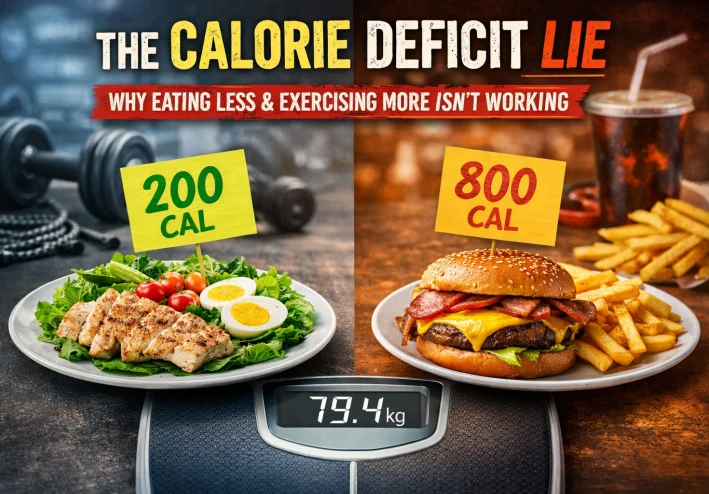
You’re Not Losing Weight Because of This Calorie Deficit Myth (And Almost Everyone Believes It)
Fitness Myths About Weight Loss: The Truth Behind Calorie Deficit and Fat Loss
Weight loss is one of the most discussed topics in the fitness and health industry. From social media influencers to workout programs and diet trends, everyone seems to have an opinion on the “best” way to lose weight. Among all these claims, the idea of a calorie deficit is often presented as the ultimate rule of fat loss. While it plays an important role, recent expert insights — including those highlighted by The Independent — reveal that weight loss is far more complex than simply eating less and exercising more.
This article breaks down common fitness myths, explains how calorie deficit truly works, and offers a realistic, science-based approach to sustainable weight loss.
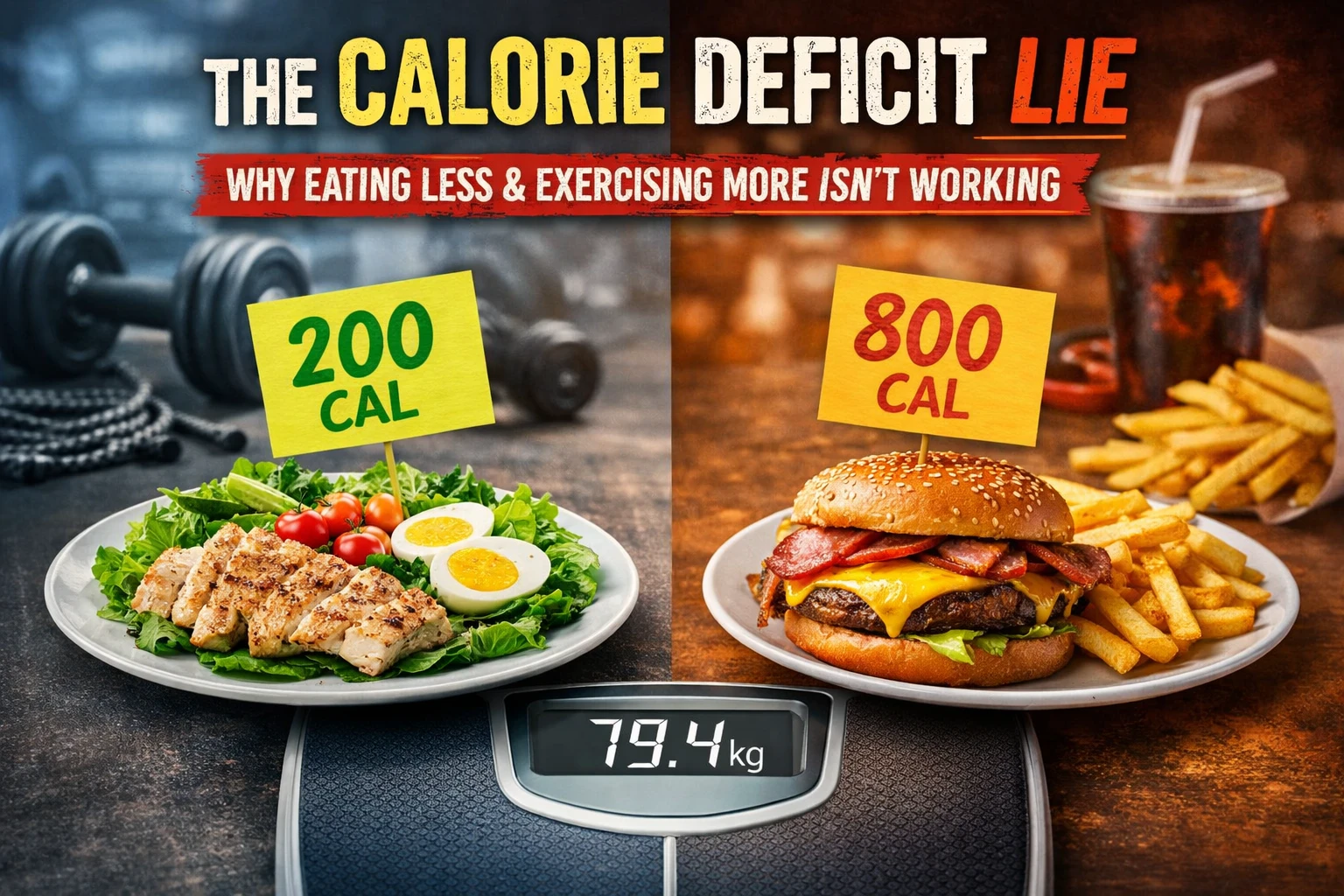
What Is a Calorie Deficit?
A calorie deficit occurs when your body burns more calories than it consumes. In theory, this forces the body to use stored energy—mainly fat—to meet its needs, resulting in weight loss. This principle is often summarized as “calories in versus calories out.”
While the concept is scientifically valid, many people mistakenly believe it works like a simple mathematical equation. In reality, the human body is influenced by hormones, metabolism, food quality, activity levels, and behavioral factors that can significantly affect weight loss results.
Myth 1: Exercise Alone Is Enough to Lose Weight
One of the most common fitness myths is that working out harder or longer will automatically lead to fat loss.
Why This Myth Is Misleading
Exercise does burn calories, but often fewer than people expect. A typical workout may burn 300–600 calories, which can easily be offset by one high-calorie meal or snack. In addition, fitness trackers frequently overestimate calorie burn, creating a false sense of progress.
This doesn’t mean exercise is useless. On the contrary, regular physical activity improves cardiovascular health, strengthens muscles, boosts mental well-being, and helps maintain weight loss. However, nutrition plays a much larger role in fat loss than exercise alone.
Myth 2: You Cannot Build Muscle in a Calorie Deficit
Many people believe that being in a calorie deficit automatically prevents muscle growth. This belief often leads individuals to delay strength training until they finish losing fat.
The Scientific Reality
Although building muscle is generally easier in a calorie surplus, research shows that muscle gain is still possible during a calorie deficit, especially for:
Beginners
People returning to training after a break
Individuals with higher body fat percentages
Adequate protein intake, progressive strength training, and sufficient recovery are key factors that allow the body to build or maintain muscle even while losing fat.
This process is often referred to as body recomposition, where fat loss and muscle gain occur simultaneously.
Myth 3: You Must Lose Fat Before Building Muscle
Another widespread misconception is that fat loss must come first, followed by muscle building.
Why This Isn’t True
There is no scientific rule that says fat loss and muscle growth cannot happen together. In fact, resistance training during a weight loss phase helps preserve lean muscle mass and improves body composition, even if the scale does not change dramatically.
Focusing only on the number on the scale can be misleading. Muscle is denser than fat, meaning your body may look leaner and healthier even if your weight stays the same.
Are All Calories the Same?
A major flaw in many weight loss strategies is treating all calories equally.
Why Food Quality Matters
While calories determine energy balance, the source of those calories affects hormones, hunger, metabolism, and long-term adherence. For example:
Protein increases satiety and helps preserve muscle
Fiber improves digestion and appetite control
Ultra-processed foods tend to increase hunger and overeating
Eating 500 calories from whole foods will not have the same effect on your body as 500 calories from processed snacks, even though the calorie count is identical.
Metabolism and Adaptation: Why Weight Loss Slows Down
Many people experience a frustrating plateau after initial weight loss. This is often blamed on a lack of discipline, but the real cause is usually metabolic adaptation.
When calorie intake drops for an extended period, the body adapts by:
Reducing resting metabolic rate
Increasing hunger hormones
Decreasing spontaneous physical activity
This survival mechanism explains why aggressive dieting often leads to burnout and weight regain. A moderate, sustainable calorie deficit is far more effective long-term than extreme restriction.
The Role of Strength Training in Fat Loss
Strength training is often underestimated in weight loss plans.
Why It’s Essential
Preserves lean muscle mass
Improves body shape and posture
Increases resting energy expenditure
Enhances insulin sensitivity
While cardio burns calories during the workout, strength training improves how your body uses energy over time.
Sustainable Weight Loss: What Actually Works
Based on scientific evidence and expert insights, the most effective weight loss approach includes:
A moderate calorie deficit, not extreme dieting
High-protein intake to preserve muscle
Regular strength training combined with light to moderate cardio
Focus on food quality, not just calorie counting
Consistency over perfection
Weight loss is not linear. Daily fluctuations in water weight, hormones, and glycogen are normal and do not reflect true fat gain or loss.
Final Thoughts
The calorie deficit remains a fundamental principle of weight loss, but it is not a magic formula. Fitness myths oversimplify the process and often lead to unrealistic expectations. Real, lasting results come from understanding how the body adapts, prioritizing nutrition quality, and building healthy habits that can be maintained long-term.
Rather than chasing quick fixes, focus on progress, strength, and overall health. When calorie deficit is combined with smart training and balanced nutrition, weight loss becomes not only possible—but sustainable.