Benefits of Collagen for Skin and Foods That Destroy Collagen and Cause Early
Benefits of Collagen for Skin and Foods That Destroy Collagen and Cause Early Wrinkles
Introduction
Collagen is one of the most important proteins in the human body. It acts as the building block for skin, hair, nails, bones, and connective tissues. In fact, collagen makes up about 75% of the skin's structure and is responsible for keeping it firm, smooth, and youthful. As we age, the body's natural collagen production decreases, leading to wrinkles, sagging skin, and other visible signs of aging.
Understanding the benefits of collagen and avoiding foods that damage it can help maintain healthy, glowing skin for years to come.
What Is Collagen?
Collagen is a structural protein that provides strength and elasticity to the skin. It works together with elastin and hyaluronic acid to keep the skin hydrated, plump, and firm.
Starting in the mid-20s, collagen production naturally begins to decline. Environmental factors, unhealthy lifestyle habits, and poor dietary choices can accelerate this process, causing premature aging.
Top Benefits of Collagen for the Skin
1. Reduces Wrinkles and Fine Lines
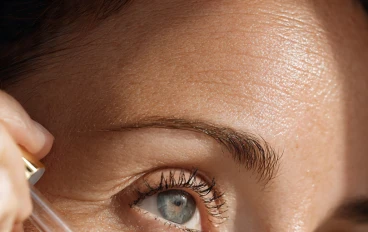
One of the most well-known benefits of collagen is its ability to reduce the appearance of wrinkles and fine lines. Healthy collagen levels help maintain skin elasticity and firmness, preventing the skin from sagging.
As collagen decreases with age, wrinkles become more visible. Supporting collagen production can help slow down this process and keep the skin looking younger.
2. Improves Skin Elasticity
Elasticity allows the skin to stretch and return to its original shape. Collagen plays a major role in maintaining this flexibility.
When collagen levels are sufficient, the skin appears tighter and more resilient. Reduced collagen levels can lead to loose and sagging skin over time.
3. Keeps Skin Hydrated
Collagen helps improve the skin's ability to retain moisture. Well-hydrated skin looks healthier, smoother, and more radiant.
Many people notice that increasing collagen intake through diet or supplements may improve skin hydration and reduce dryness.
4. Promotes Faster Skin Repair
Collagen supports the body's natural healing process. It helps repair damaged skin tissues and may contribute to faster recovery from minor wounds, acne marks, and skin irritation.
Healthy collagen levels are essential for maintaining strong and healthy skin barriers.
5. Enhances Skin Texture
Collagen helps create a smooth and even skin surface. Adequate collagen production can improve skin texture and reduce roughness.
People with healthy collagen levels often enjoy softer and more youthful-looking skin.
6. Supports Healthy Hair and Nails
Although collagen is mainly known for its skin benefits, it also contributes to stronger hair and nails. It provides essential amino acids that support healthy growth and reduce brittleness.
Natural Ways to Boost Collagen Production
Eat Protein-Rich Foods
Collagen is made from amino acids found in protein-rich foods such as:
- Chicken
- Fish
- Eggs
- Lean meat
- Dairy products
- Legumes
Increase Vitamin C Intake
Vitamin C is crucial for collagen synthesis. Foods rich in vitamin C include:
- Oranges
- Lemons
- Strawberries
- Kiwi
- Bell peppers
- Broccoli
Stay Hydrated
Drinking enough water helps maintain skin moisture and supports overall skin health.
Protect Your Skin from the Sun
Excessive sun exposure breaks down collagen fibers and accelerates skin aging. Using sunscreen daily can help protect collagen levels.
Foods That Destroy Collagen and Cause Early Wrinkles
While some foods support collagen production, others can damage collagen fibers and speed up the aging process.
1. Sugary Foods and Drinks
High sugar intake is one of the biggest enemies of collagen. Sugar triggers a process called glycation, where sugar molecules attach to collagen fibers and make them weak and brittle.
Examples include:
- Soft drinks
- Candy
- Cakes
- Cookies
- Sweetened juices
Regular consumption of sugary foods can contribute to wrinkles, sagging skin, and loss of elasticity.
2. Processed Foods
Highly processed foods often contain unhealthy fats, preservatives, and excessive sodium that can negatively affect skin health.
Examples include:
- Packaged snacks
- Fast food
- Processed meats
- Frozen meals
These foods may increase inflammation and accelerate collagen breakdown.
3. Fried Foods
Fried foods contain harmful compounds that can damage skin cells and collagen fibers.
Examples include:
- French fries
- Fried chicken
- Potato chips
Frequent consumption may increase oxidative stress, leading to premature skin aging.
4. Excessive Alcohol
Drinking too much alcohol can dehydrate the skin and reduce collagen production. Alcohol also increases inflammation and can make the skin appear dull and tired.
Over time, excessive alcohol consumption may contribute to wrinkles and loss of skin firmness.
5. Refined Carbohydrates
Refined carbohydrates rapidly increase blood sugar levels, promoting glycation and collagen damage.
Examples include:
- White bread
- White rice
- Pastries
- Sugary breakfast cereals
Replacing refined carbohydrates with whole grains can help support healthier skin.
6. Processed Meats
Processed meats often contain preservatives and high levels of sodium that may increase inflammation in the body.
Examples include:
- Sausages
- Hot dogs
- Bacon
- Deli meats
Chronic inflammation can speed up collagen loss and skin aging.
Additional Habits That Damage Collagen
Food is not the only factor affecting collagen levels. Several lifestyle habits can also contribute to collagen breakdown:
- Smoking
- Excessive sun exposure
- Chronic stress
- Lack of sleep
- Dehydration
- Sedentary lifestyle
Avoiding these habits can help preserve collagen and maintain youthful skin.
Conclusion
Collagen is essential for maintaining firm, smooth, and youthful-looking skin. It helps reduce wrinkles, improve elasticity, support hydration, and promote healthy skin repair. While collagen production naturally decreases with age, adopting healthy habits and eating collagen-supporting foods can help slow down this process.
At the same time, limiting sugary foods, fried foods, processed meals, alcohol, and refined carbohydrates can protect collagen fibers from damage. By combining a balanced diet with proper skincare and healthy lifestyle choices, you can support long-term skin health and reduce the risk of premature wrinkles