

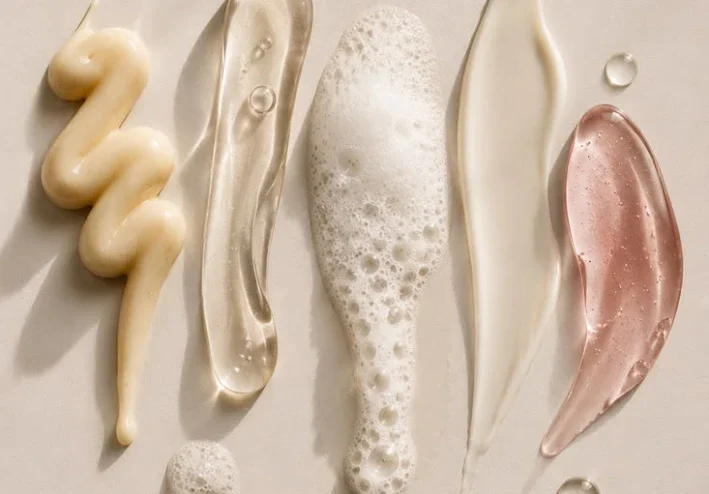
في هذا المقال
قد يبدو الأمر غريبًا تشتري غسولًا ومرطبًا وواقي شمس، وربما تضيفين ماسكًا ومقشرًا أيضًا، ومع ذلك تشعرين أن بشرتك أصبحت أكثر جفافًا أو احمرارًا أو حساسية.
المشكلة أحيانًا لا تكون في نقص المنتجات، بل في الإفراط في العناية بالبشرة.
فالبشرة لديها حاجز طبيعي يساعدها على الاحتفاظ بالماء وحمايتها من العوامل الخارجية. وعندما يتعرض هذا الحاجز للتهيج بشكل متكرر، قد تبدأ البشرة في إرسال إشارات واضحة: شد بعد الغسل، جفاف، تقشر، حرقان عند وضع المنتجات أو زيادة الحساسية
وهنا تظهر فكرة مهمة: ليس كل ما يفيد البشرة عند استخدامه منفردًا سيكون أفضل عند جمعه مع عدة مكونات أخرى.
ما هو حاجز البشرة
حاجز البشرة هو الطبقة الخارجية التي تساعد الجلد على الاحتفاظ بالرطوبة وتوفر حماية أمام العوامل الخارجية.
لذلك، عندما تتعاملين مع بشرتك بعنف، سواء من خلال التنظيف المفرط أو التقشير المتكرر أو استخدام منتجات مهيجة، قد تتحول محاولتك لتحسين البشرة إلى سبب في زيادة حساسيتها.
وتشير الأكاديمية الأمريكية للأمراض الجلدية إلى أن الإفراط في استخدام بعض الأقنعة والمكونات المقشرة قد يؤدي إلى الجفاف والتهيج والإضرار بحاجز البشرة.
5 علامات تقول إن روتينك يحتاج إلى تبسيط
- الماء وحده أصبح يسبب شعورًا باللسع
إذا بدأت البشرة تشعر بالحرقان أو اللسع عند استخدام منتجات كانت مناسبة لك سابقًا، فلا تتجاهلي الأمر.
قد يكون السبب تهيجًا وليس دليلًا على أن المنتج "يعمل بقوة".
2.التقشر المستمر
التقشر ليس دائمًا علامة على أن البشرة "تتخلص من الخلايا الميتة".
أحيانًا يكون علامة على الجفاف أو التهيج، خصوصًا إذا صاحبته حكة أو احمرار.
3.استخدام أكثر من مادة فعالة في الوقت نفسه
مثل الجمع العشوائي بين عدة منتجات للتقشير أو منتجات قوية مخصصة لمشكلات مختلفة.
المشكلة هنا ليست في وجود المكونات الفعالة، وإنما في طريقة دمجها وتكرار استخدامها.
4.تغيير الروتين كل أسبوع
إذا كنتِ تجربين منتجًا جديدًا كل عدة أيام، فلن تعرفي أصلًا أي منتج يناسب بشرتك وأي منتج يسبب المشكلة.
5. الاعتقاد أن البشرة الدهنية لا تحتاج إلى ترطيب
حتى البشرة الدهنية تحتاج إلى الترطيب. الفكرة هي اختيار تركيبة تناسبها، وليس التخلص من الترطيب تمامًا.
ماذا يحدث عندما يصبح الروتين أطول من اللازم؟
تخيلي فتاة بدأت تعاني من بعض الحبوب.
اشترت غسولًا، ثم أضافت مقشرًا، وبعد أسبوع بدأت تستخدم سيرومًا، ثم ماسكًا لتنظيف المسام، وبعده منتجًا آخر للتصبغات.
بعد فترة ظهرت مشكلة جديدة: جفاف واحمرار وحرقان.
لو نظرت إلى الروتين من الخارج، ستجدين أنها تستخدم منتجات "للعناية بالبشرة"، لكن المشكلة أن البشرة لا تتعامل مع أسماء المنتجات، بل مع مجموع المكونات والتكرار.
في مثل هذه الحالة، يكون الرجوع إلى روتين أبسط خطوة منطقية، ثم إدخال المنتجات تدريجيًا بدل إضافة منتج جديد فوق المشكلة.
كيف تبنين روتينًا أبسط
ابدئي بالأساسيات:
منظف لطيف + مرطب مناسب + واقي شمس خلال النهار.
بعد ذلك، إذا كانت هناك مشكلة محددة مثل حب الشباب أو التصبغات، يمكن التفكير في إضافة مكون مناسب لها تدريجيًا بدل استخدام عدة مواد فعالة مرة واحدة.
وإذا كانت البشرة شديدة الحساسية أو ظهرت أعراض مستمرة، فاستشارة طبيب جلدية أفضل من تجربة منتجات جديدة باستمرار.
هل الماسكات ضرورية؟
لا.
الماسك يمكن أن يكون إضافة اختيارية، لكنه ليس شرطًا للحصول على بشرة صحية.
وتشير الأكاديمية الأمريكية للأمراض الجلدية إلى أن اختيار الماسك يجب أن يعتمد على مشكلة البشرة، وأن استخدام مكونات مقشرة بشكل متكرر قد يؤدي إلى التهيج والجفاف.
الخاتمة
العناية بالبشرة ليست مسابقة لمعرفة من يملك عددًا أكبر من المنتجات.
أحيانًا يكون أفضل قرار يمكنك اتخاذه هو التوقف عن إضافة منتجات جديدة، والنظر أولًا إلى ما تستخدمينه بالفعل.
إذا كانت بشرتك جافة أو متهيجة، لا تحاولي تغطية المشكلة بطبقة أخرى من المنتجات. ابدئي من الأساسيات، راقبي استجابة بشرتك، وبعدها قرري ما تحتاجينه فعلًا.
البشرة الصحية لا تحتاج دائمًا إلى روتين طويل؛ تحتاج إلى روتين مناسب ويمكن الاستمرار عليه.
تابع جديد Fatma Frag
اختر إشعارات الموقع أو البريد أو الاثنين. الزائر يقدر يشترك ببريده دون تسجيل حساب.
الإبلاغ عن المقال
لو لاحظت مشكلة في المحتوى، أرسلها لفريق المراجعة. لن تظهر بياناتك لكاتب المقال أو للقراء.
تعذّر إرسال البلاغ الآن. حاول مرة أخرى لاحقًا.
سجّل الدخول لإرسال بلاغ


النقاش
التعليقات (0)
فكرة تضيفها، أو سؤال يفتح حوارًا.
الرجاء تسجيل الدخول لتتمكن من التعليق