

في هذا المقال
Rapid Heartbeat and Palpitations: Causes, Symptoms, Warning Signs, and When to Consult a Doctor
One might suddenly feel as though their heart is racing within their chest, pounding with unusual force, or pausing briefly before resuming a rapid beat.
This sensation, known as heart palpitations, is common and can occur during rest or physical activity; it does not necessarily indicate a serious illness.
However, the medical significance of this symptom lies not merely in the pulse rate itself, but in the underlying cause and any accompanying symptoms.
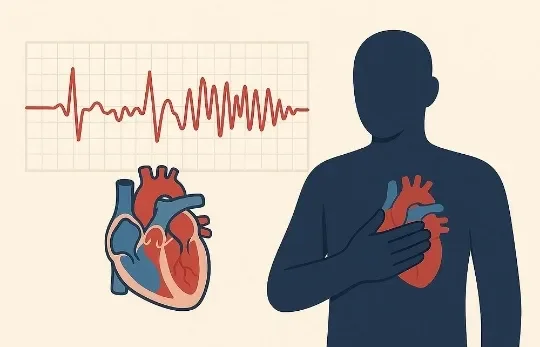
The trigger could be something as simple as anxiety or sleep deprivation, or it could be a heart rhythm disorder or another issue requiring medical examination.
Distinguishing between these scenarios is the crucial point.
1. What Do Rapid Heartbeat and Palpitations Mean?
Heart palpitations are the sensation of feeling one's heartbeat more intensely than usual; the pulse may seem rapid, forceful, irregular, or like a fluttering sensation within the chest. This feeling may be perceived in the chest, neck, or throat and can last for seconds, minutes, or sometimes longer.
It is important to distinguish between the sensation of palpitations and a simple increase in heart rate. A person may experience distinct palpitations even when the heart rhythm is normal, whereas certain heart rhythm disorders can occur without a strong sensation of the heartbeat. Therefore, describing the sensation alone is not enough to determine the cause.
2. Common Causes of Rapid Heartbeat
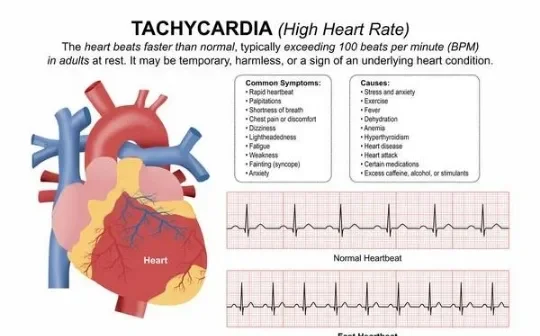
There are numerous causes for a rapid heartbeat, some of which are unrelated to heart disease. Stress, anxiety, fear, strenuous exercise, sleep deprivation, fever, dehydration, and the consumption of caffeine, alcohol, or nicotine can all trigger palpitations in some individuals. Certain medications—including some cold remedies and decongestants—can also increase heart rate.
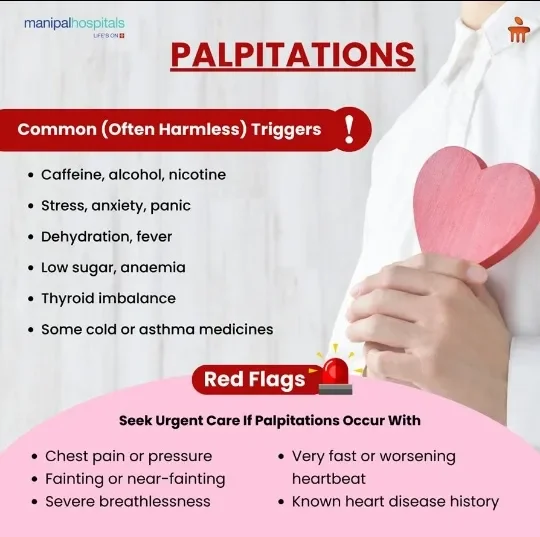
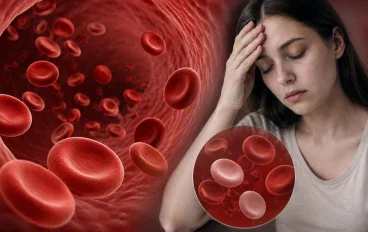
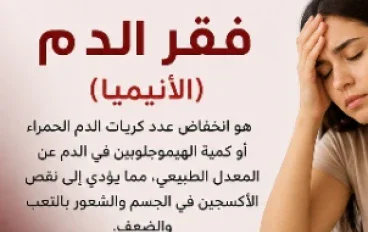
In other cases, palpitations may be linked to a health issue requiring evaluation, such as iron-deficiency anemia, hyperthyroidism, heart rhythm disorders, or certain valvular heart diseases. Palpitations can also occur alongside hormonal changes, such as those associated with pregnancy or menopause.
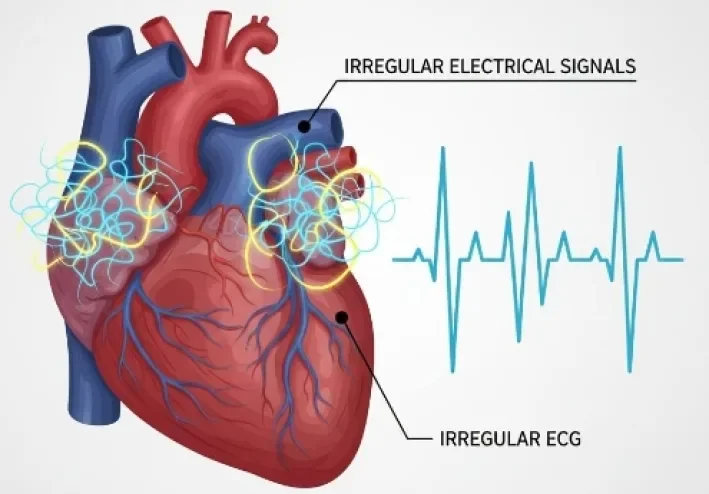
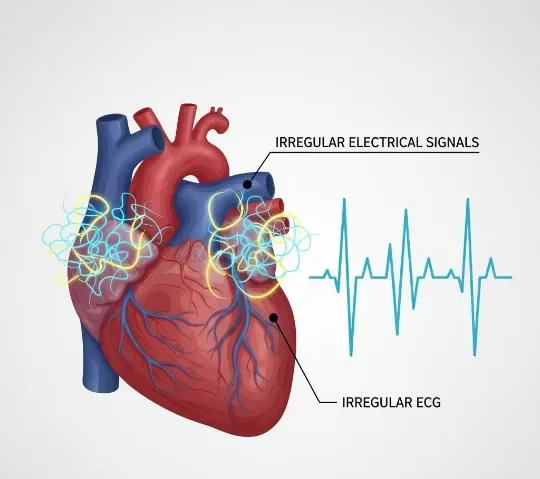
Heart rhythm disorders can involve various types of irregular heartbeats, including atrial fibrillation or certain forms of supraventricular tachycardia. Consequently, recurring palpitations or changes in their pattern warrant attention, particularly in individuals with a history of heart disease.
3. Symptoms That May Accompany a Rapid Heartbeat
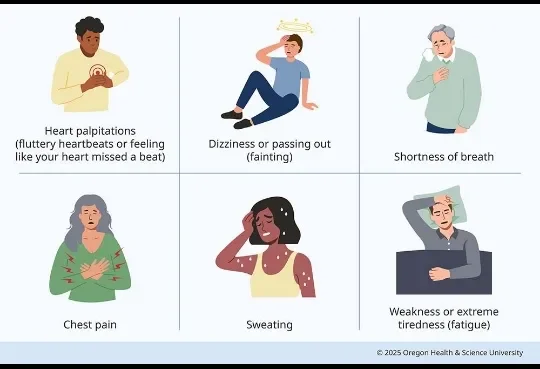
While palpitations may be the sole symptom, some individuals also experience dizziness, lightheadedness, weakness, shortness of breath, chest pain or pressure, unusual sweating, or a sensation of impending fainting. These symptoms are particularly significant when they occur alongside persistent or recurrent palpitations.
One should not automatically assume that anxiety-induced palpitations are the cause in every instance; Anxiety itself can raise your heart rate, but heart rhythm disorders and certain cardiac issues can cause a similar sensation. The Cleveland Clinic notes that palpitations accompanied by chest pain, difficulty breathing, dizziness, or fainting require urgent medical attention.
4. When does a rapid heartbeat require a doctor's visit?
If palpitations recur, become more frequent, last longer than a few minutes, or occur in someone with known heart disease or a family history of heart problems, it is advisable to seek a medical evaluation. The UK's National Health Service (NHS) recommends consulting a doctor in such cases, even if the person feels fine the rest of the time.
However, if the rapid heartbeat does not stop, or is accompanied by chest pain or pressure, shortness of breath, a feeling of faintness, or loss of consciousness, these are signs requiring emergency medical care. The American Heart Association emphasizes that chest pain or pressure accompanying symptoms of a heart rhythm disorder may also indicate a cardiac emergency.
The rule of thumb here is simple: fleeting palpitations without concerning symptoms differ from persistent palpitations or those accompanied by dangerous signs. In the latter case, one should not wait for the symptoms to resolve on their own.
5. How does the doctor diagnose the cause? What are the common questions?
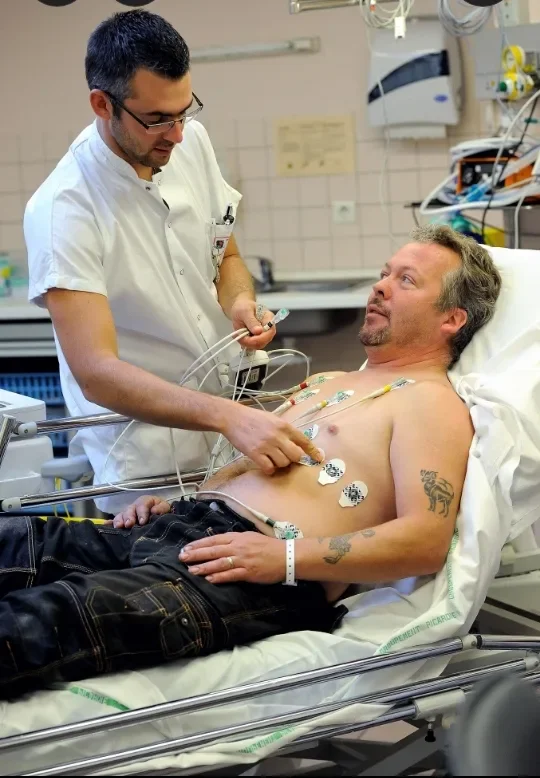
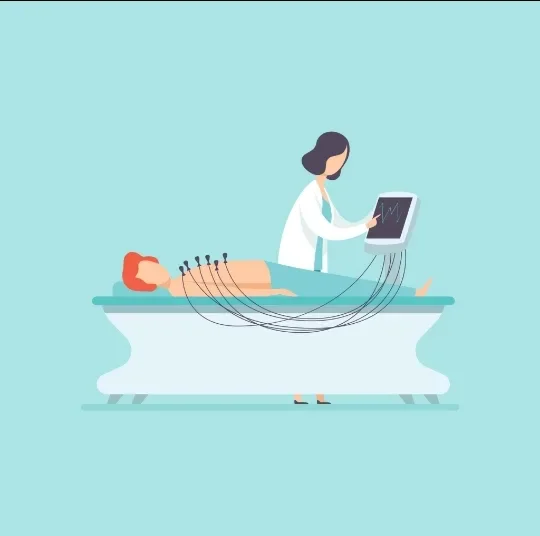
Doctors do not rely solely on pulse rate. Evaluation typically begins with listening to the heart and reviewing medical history, medications, and the use of stimulants; an electrocardiogram (ECG) may then be ordered to record the heart's electrical activity. If palpitations do not occur during a standard ECG, the doctor may use a portable monitor—such as a Holter monitor or an event recorder—to track heart rhythm over an extended period. An echocardiogram may be used if it is necessary to evaluate the heart's structure and function.
Frequently Asked Questions:
Do all palpitations indicate heart disease?
No; most cases of palpitations are not serious and may be linked to stress, physical activity, caffeine, or other temporary factors.
Can anxiety cause palpitations?
Yes; the body's stress response can increase heart rate and cause a sensation of palpitations. However, persistent or recurring symptoms should not automatically be attributed solely to anxiety.
Do palpitations require treatment?
Treatment depends on the underlying cause. If a trigger is identified and there is no heart problem, avoiding that trigger may be sufficient. If the evaluation reveals a heart rhythm disorder or another issue, the doctor will determine the appropriate treatment based on the specific condition.
Medical Disclaimer:
This article provides general medical information for educational purposes and does not constitute a diagnosis or a substitute for professional medical advice. Causes of rapid heartbeat vary from person to person, and the cause cannot be determined based on symptoms alone.
Sources
1. NHS — Heart palpitations
https://www.nhs.uk/symptoms/heart-palpitations/
2. Mayo Clinic — Heart palpitations: Symptoms and causes
https://www.mayoclinic.org/diseases-conditions/heart-palpitations/symptoms-causes/syc-20373196
3. Mayo Clinic — Heart palpitations: Diagnosis and treatment
https://www.mayoclinic.org/diseases-conditions/heart-palpitations/diagnosis-treatment/drc-20373201
4. Mayo Clinic — Heart arrhythmia: Symptoms and causes
https://www.mayoclinic.org/diseases-conditions/heart-arrhythmia/symptoms-causes/syc-20350668
الإبلاغ عن المقال
لو لاحظت مشكلة في المحتوى، أرسلها لفريق المراجعة. لن تظهر بياناتك لكاتب المقال أو للقراء.
تعذّر إرسال البلاغ الآن. حاول مرة أخرى لاحقًا.
سجّل الدخول لإرسال بلاغ




النقاش
التعليقات (0)
فكرة تضيفها، أو سؤال يفتح حوارًا.
الرجاء تسجيل الدخول لتتمكن من التعليق