


In this article
Angina vs. Heart Attack: What Is the Difference?
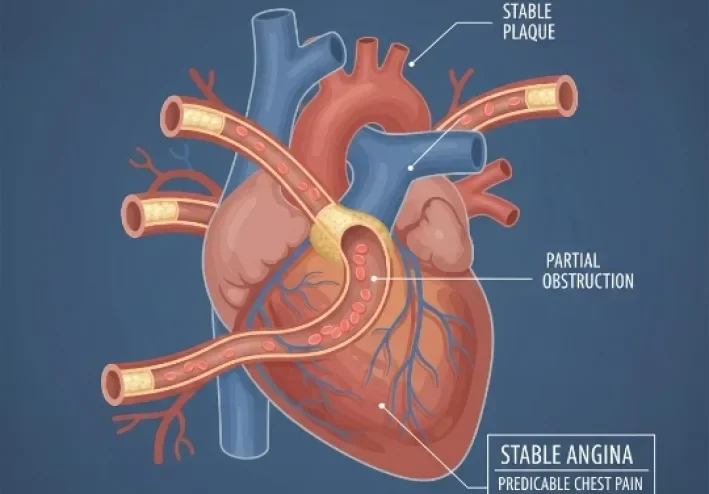
Coronary artery disease may begin with minor changes within an artery wall, without the individual noticing anything unusual.
As fatty plaques accumulate, the pathway delivering blood and oxygen to the heart muscle narrows.
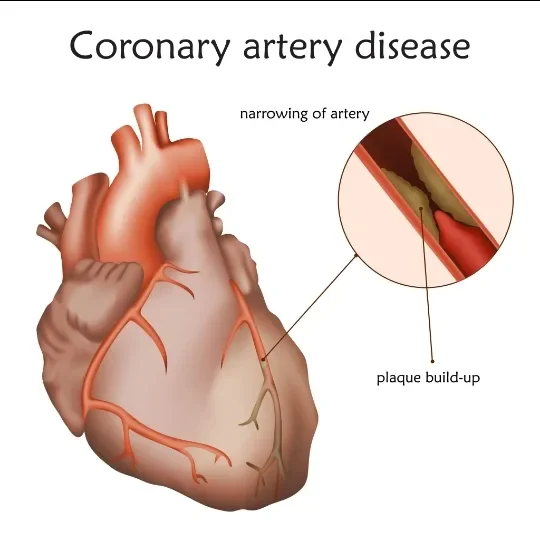
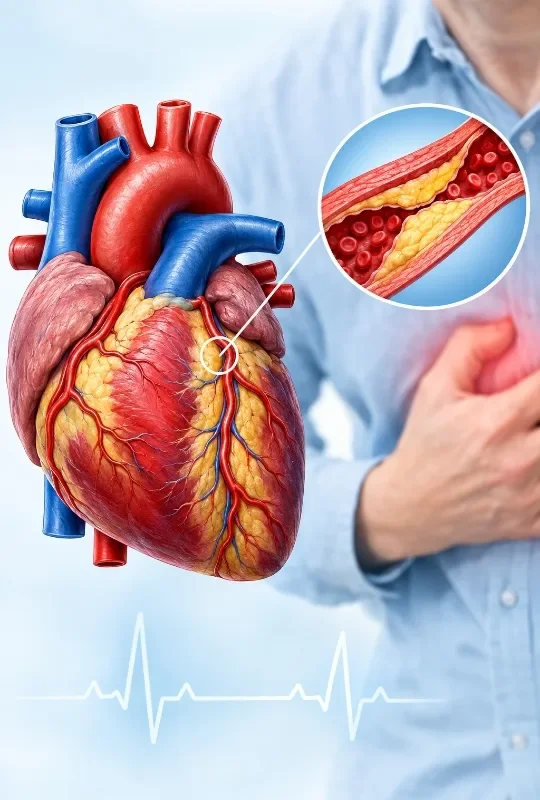
At this stage, chest pain or shortness of breath may occur, particularly during physical exertion or emotional stress.
However, a sudden arterial blockage drastically changes the situation and can lead to a heart attack.
Therefore, understanding the difference between angina and a heart attack is crucial when chest pain arises.
1. What Is Coronary Artery Disease and How Does It Begin?
Coronary artery disease is a condition affecting the arteries that supply the heart muscle with blood and oxygen. It often begins with a process known as atherosclerosis, where fats, cholesterol, and other substances accumulate within the artery wall, forming plaques that gradually narrow the blood flow passage. This process can continue for many years without clear symptoms; consequently, a person may live for some time unaware that their coronary arteries are being affected. As the narrowing worsens, blood flow becomes
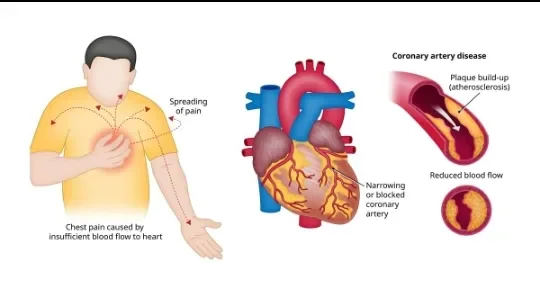
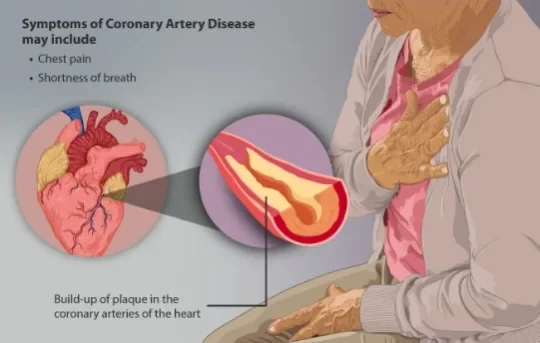
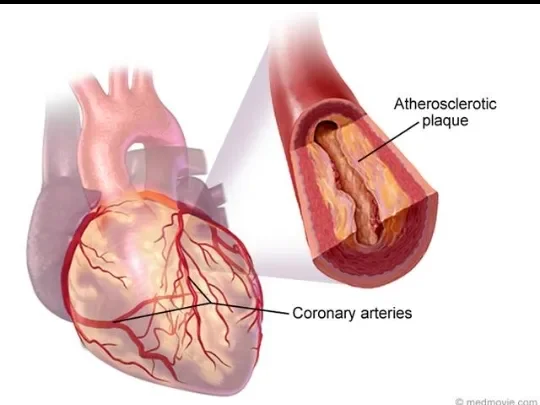 insufficient to meet the heart muscle's needs—particularly when the heart is under increased strain during activities such as brisk walking, climbing stairs, or exercising.
2. What causes it, and what factors increase the risk?
Coronary artery disease is not linked to a single factor; high cholesterol, high blood pressure, smoking, diabetes, physical inactivity, excess weight, a family history of heart disease, and advancing age can all increase the risk of developing the condition. These factors become particularly significant when they coexist, as their cumulative impact on blood vessels builds up over time. Furthermore, some individuals may show no clear signs despite having the disease, while others may first experience symptoms triggered by physical exertion. Consequently, risk assessment relies on the overall health profile rather than a single symptom or isolated reading.
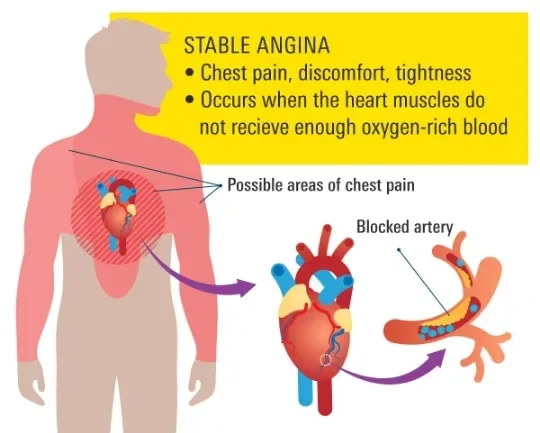
3. What are the symptoms of coronary artery disease?
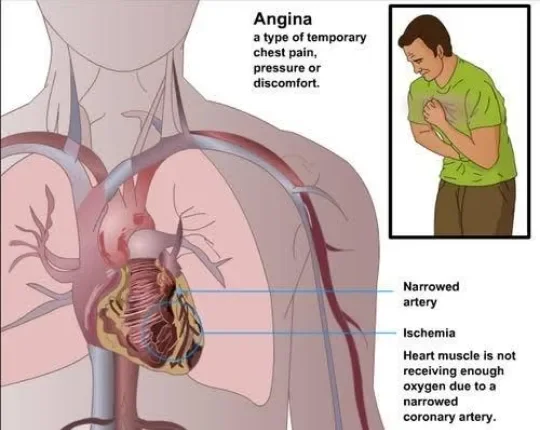
The most common symptom is chest pain or discomfort, often described as pressure, heaviness, squeezing, or tightness; this sensation may radiate to the arm, shoulder, neck, jaw, or back. Some individuals may also experience shortness of breath, unusual fatigue, dizziness, or nausea. The challenge is that symptoms vary from person to person; they can be mild or subtle, and in some patients, they appear during physical exertion and subside with rest. In some cases, there are no apparent symptoms prior to the disease's diagnosis. Women, in particular, may exhibit different symptoms—such as nausea, back or neck pain, or shortness of breath—making it crucial to consider the overall clinical picture rather than waiting for severe, obvious chest pain.
4. Angina vs. Heart Attack: What is the difference?
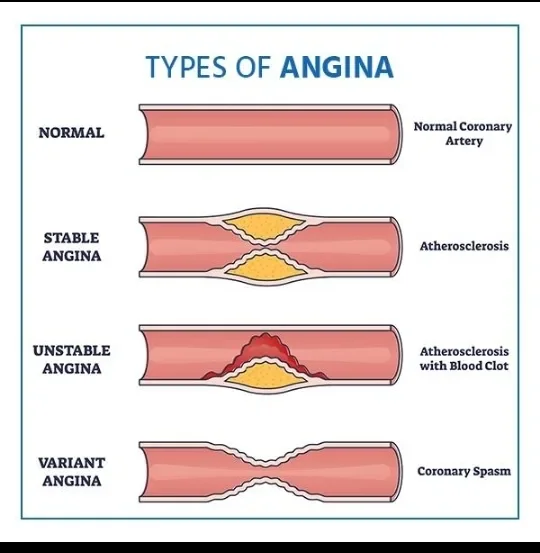
Angina is not a disease in itself but rather a symptom indicating that the heart muscle is not receiving sufficient oxygen-rich blood. With stable angina, pain typically arises during physical activity or emotional stress and follows a relatively predictable pattern; it usually improves upon ceasing the activity or taking prescribed medication. A heart attack, conversely, occurs when blood flow to a portion of the heart muscle is severely reduced or completely blocked—often due to an acute obstruction caused by plaque rupture and subsequent clot formation. Heart attack pain is generally more intense or persistent and may be accompanied by shortness of breath, sweating, nausea, dizziness, or pain radiating to the arm, jaw, or back. Pain severity alone cannot be relied upon to confirm a diagnosis, as heart attacks sometimes present with atypical or subtle symptoms.
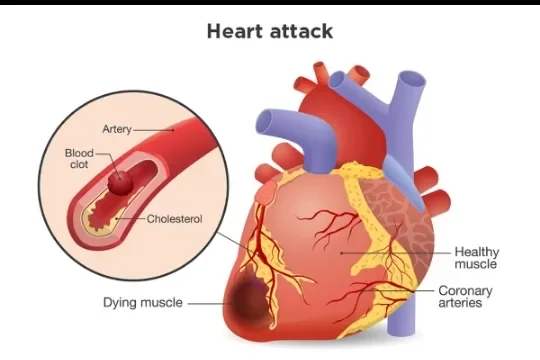
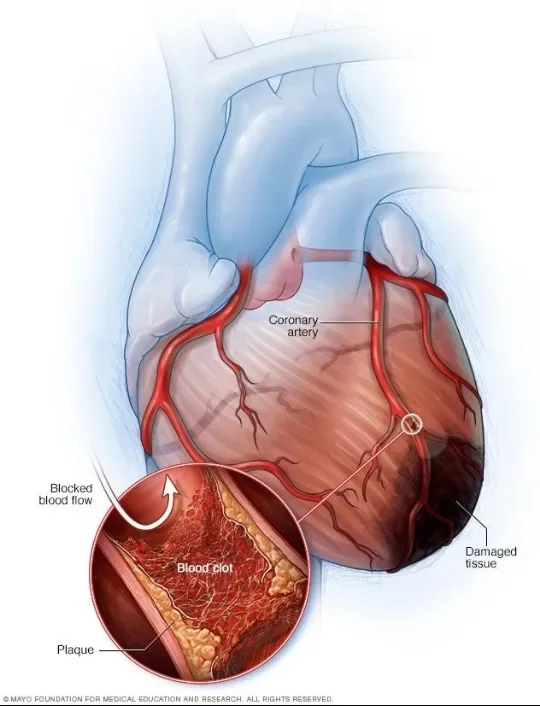
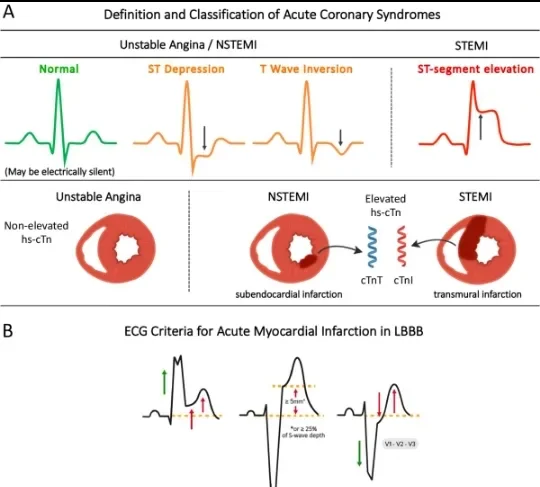
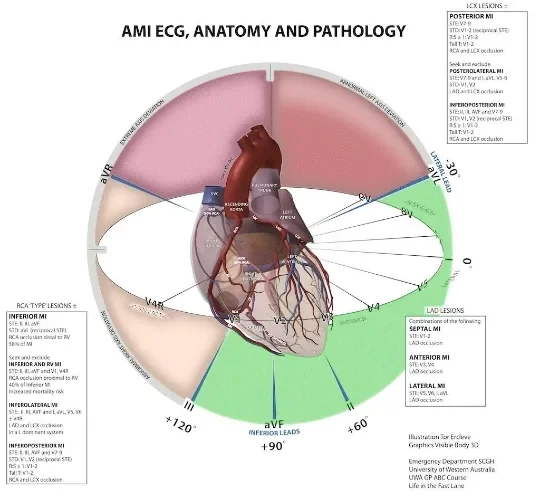
Any new chest pain or pressure—especially if persistent, occurring at rest, or accompanied by shortness of breath, sweating, nausea, or pain in the arm, jaw, or back—must be treated as a medical emergency rather than dismissed as mere indigestion or temporary strain. When a heart attack is suspected, a doctor needs to perform a rapid assessment; this may involve an electrocardiogram (ECG), blood tests, and other examinations to determine if the heart muscle has sustained damage. Long-term diagnosis of coronary artery disease, however, may require an evaluation of risk factors, blood tests, ECGs, stress tests, imaging studies, or angiography, depending on the specific case.
5. How is the disease diagnosed, and what can be done for prevention?
Management of coronary artery disease depends on the degree of arterial narrowing, symptoms, risk factors, and overall health status. Treatment may include lifestyle modifications—such as quitting smoking and engaging in appropriate physical activity—alongside managing blood pressure, cholesterol, and
 diabetes, and taking medications prescribed by the doctor based on the individual's condition. In some cases, procedures such as artery dilation and stent placement or bypass surgery may be required. Patients should not start taking aspirin or discontinue any heart medication on their own, as the appropriate course of action depends on medical history, bleeding risks, and potential drug interactions. Frequently
Asked Questions:
Does angina mean a person is having a heart attack?
No. Angina indicates a lack of blood and oxygen flow to the heart muscle, whereas a heart attack involves damage to the heart muscle caused by a blockage or severe reduction in blood flow. However, certain types of angina—particularly unstable angina—can be part of acute coronary syndrome and require urgent evaluation.
Can coronary artery disease occur without chest pain?
Yes. Some individuals may not exhibit clear symptoms, while others might experience shortness of breath, fatigue, or less obvious symptoms. Therefore, the absence of chest pain does not necessarily mean the absence of the disease.
When does chest pain become a medical emergency?
Emergency medical help should be sought immediately if the pain is new, severe, or persistent; occurs at rest; or is accompanied by shortness of breath, sweating, nausea, dizziness, or pain radiating to the arm, jaw, or back.
Medical Disclaimer:
This article is for general educational purposes and aims to explain coronary artery disease, angina, and heart attacks in simple terms; it does not constitute a medical diagnosis or a substitute for a professional medical evaluation. New or unusual chest pain, especially when accompanied by other symptoms, requires urgent medical assessment.
Sources
American Heart Association (AHA) – Angina (Chest Pain)
https://www.heart.org/en/health-topics/heart-attack/angina-chest-pain
Mayo Clinic – Coronary artery disease: Symptoms and causes
https://www.mayoclinic.org/diseases-conditions/coronary-artery-disease/symptoms-causes/syc-20350613
Centers for Disease Control and Prevention (CDC) – About Heart Attack Symptoms, Risk, and Recovery
https://www.cdc.gov/heart-disease/about/heart-attack.html
National Heart, Lung, and Blood Institute (NHLBI/NIH) – Coronary Heart Disease
https://www.nhlbi.nih.gov/health/coronary-heart-disease
Keep up with Alkatp
Choose site notifications, email, or both. Guests can subscribe by email without an account.
Report this article
Tell our review team about a problem with this content. Your details will not be shown to the author or other readers.
Your report could not be sent. Please try again later.
Sign in to report an article








Discussion
comments (0)
Share a perspective. Start a thoughtful conversation.
please login to be able to comment