

في هذا المقال
Heart attack symptoms, causes, warning signs, and when to call for emergency help immediately.
A heart attack may begin with distinct chest pain, but it does not always present in the same way.
Sometimes, it manifests as shortness of breath, nausea, or sudden fatigue.
The pain may radiate to the arm, back, neck, or jaw.
The challenge is that some symptoms may seem minor or resemble indigestion.
Therefore, recognizing the signs and acting quickly can be crucial when every minute counts.
1. What happens to the heart during a heart attack?
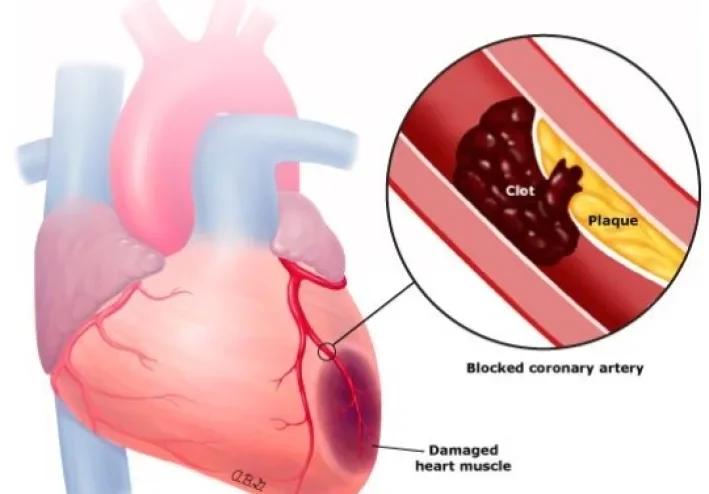
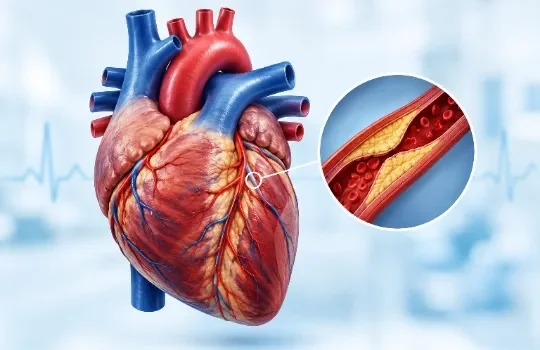
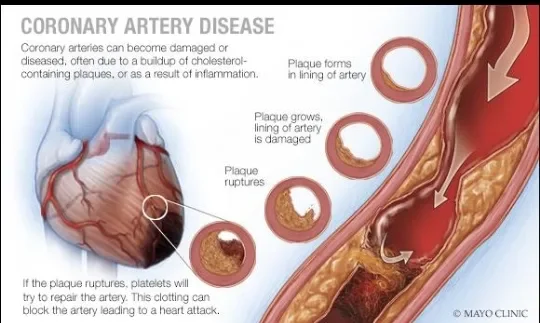
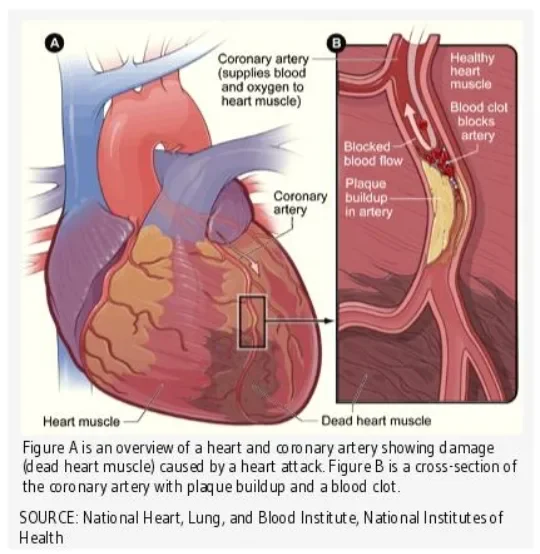
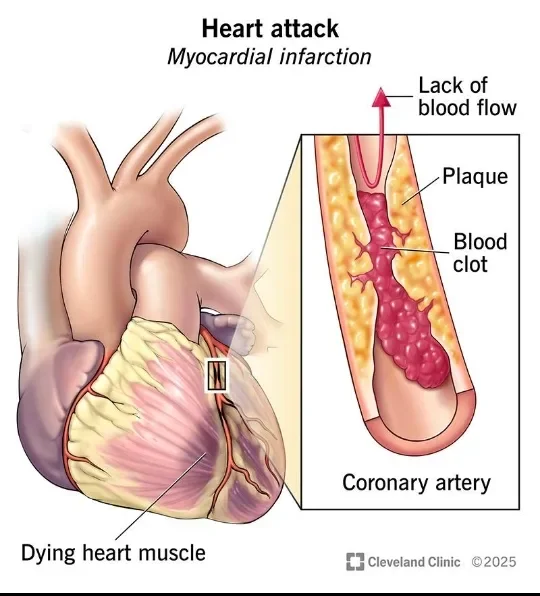
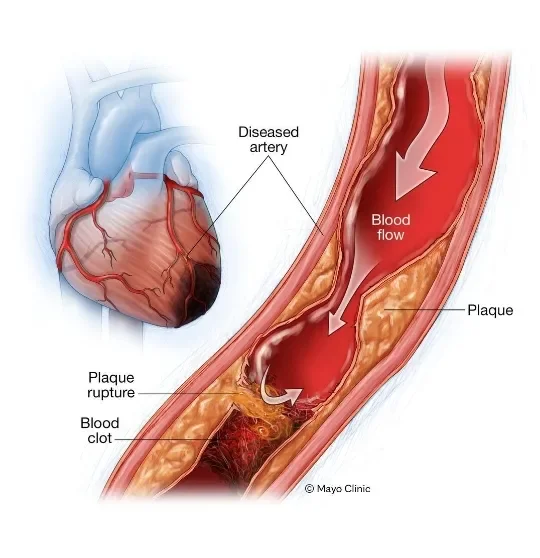
A heart attack—or myocardial infarction—occurs when the flow of oxygen-rich blood to a part of the heart muscle is reduced or cut off. The most common cause is coronary artery disease, where fatty plaques and cholesterol build up inside the arteries over time. If one of these plaques ruptures, a blood clot may form, blocking the artery and preventing blood from reaching the area it supplies. The longer the blockage lasts, the greater the risk of damage to the heart muscle.
2. How do heart attack symptoms present?
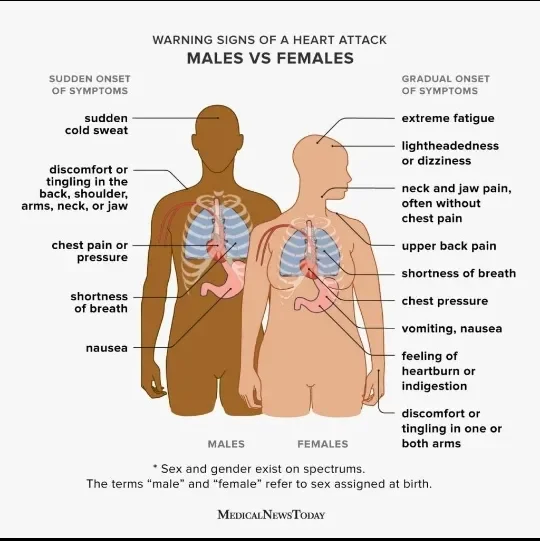
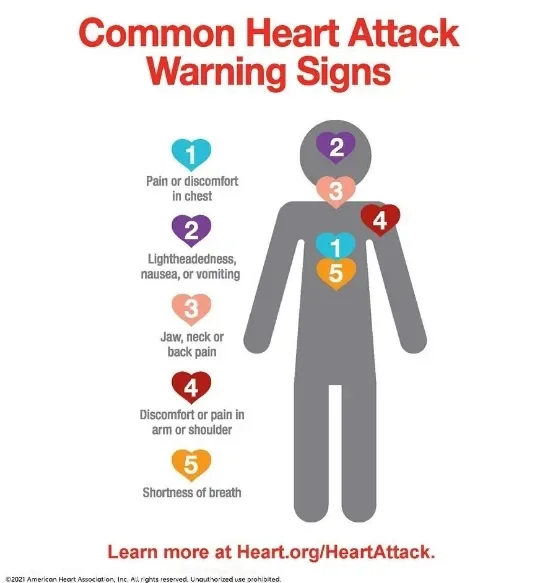
The most well-known sign is a sensation of pressure, heaviness, squeezing, or pain in the center of the chest; this may last for several minutes or go away and then return. The discomfort may radiate to one or both arms, the back, the neck, the jaw, or the upper abdomen. It may be accompanied by shortness of breath, cold sweats, dizziness, nausea, vomiting, or unusual fatigue. The attack need not be severe or sudden; it may begin with mild, ambiguous symptoms.
3. Why might the clinical picture not be clear-cut for everyone?
Heart attacks do not manifest the same way in everyone. Symptoms may be less distinct in some women, older adults, and people with diabetes; nausea, fatigue, or back or neck pain may be more prominent than classic chest pain. Individuals might also mistake the symptoms for indigestion or temporary exhaustion. Medical sources indicate that some attacks are preceded by warning signs hours, days, or even weeks in advance; therefore, recurrent or unusual chest pain should not be ignored, especially if it occurs during physical exertion or does not improve with rest.
4. What are the causes of a heart attack and the associated risk factors?
Most heart attacks are linked to coronary artery disease and the buildup of plaque within the arteries. The likelihood of an attack increases with factors such as smoking, high blood pressure, high cholesterol, diabetes, physical inactivity, being overweight or obese, and a family history of heart disease. However, the presence of risk factors does not make a heart attack inevitable, nor does their absence entirely rule one out. There are also less common causes, such as coronary artery spasm or a spontaneous tear in a coronary artery.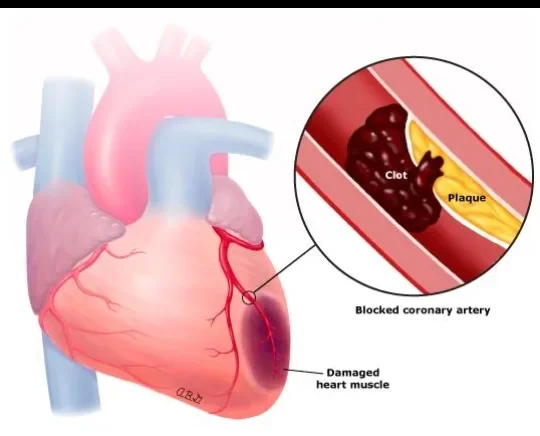
5. When does a heart attack become a medical emergency?
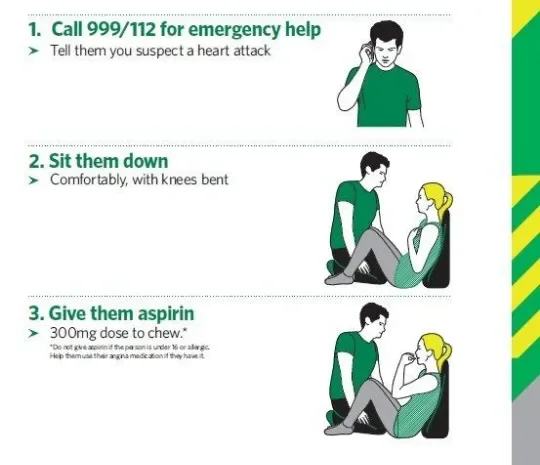
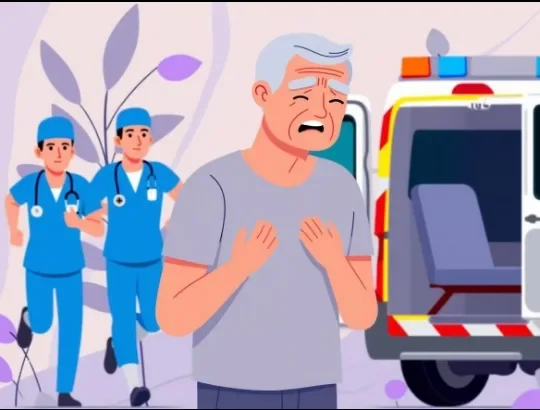
If unexplained chest pain or pressure occurs—especially if it radiates to the arm, jaw, or back, or is accompanied by shortness of breath, cold sweats, dizziness, or nausea—it must be treated as an emergency. Emergency services should be contacted immediately, even if the person is unsure whether the cause is a heart attack. Early access to medical care allows for an electrocardiogram (ECG) and necessary tests to determine if blood flow needs to be restored urgently. Treatment may include anti-clotting medications or procedures to open the artery, such as catheterization and stent placement, depending on the type of blockage and the patient's condition.
Frequently Asked Questions
Does chest pain alone indicate a heart attack?
Not necessarily; there are many causes of chest pain. However, sudden or unexplained pain—particularly when accompanied by shortness of breath, sweating, nausea, or pain radiating to other parts of the body—requires urgent evaluation.
Can a heart attack occur without severe pain?
Yes. Symptoms may be mild or atypical, and some people may not experience distinct chest pain; therefore, one should not rely solely on the severity of the pain to rule out a heart attack.
Is a heart attack the same as sudden cardiac arrest?
No. A heart attack is a problem related to blood flow to the heart muscle, whereas sudden cardiac arrest occurs due to an electrical malfunction that causes the heart to stop pumping blood effectively. A heart attack can sometimes lead to cardiac arrest, but they are distinct conditions.
What is the most important action to take if a heart attack is suspected?
Seek emergency medical help immediately; do not wait to see if symptoms subside. Do not delay calling for an ambulance to take medication or try a home remedy. Aspirin should only be used if recommended by a healthcare professional or emergency dispatcher based on the specific situation.
Medical Disclaimer
This article is for general educational and awareness purposes and is not a substitute for a direct medical evaluation. If a heart attack is suspected, you must...
Sources
National Health Service (NHS) — Heart Attack
https://www.nhs.uk/conditions/heart-attack/
American Heart Association (AHA) — Warning Signs of a Heart Attack
https://www.heart.org/en/health-topics/heart-attack/warning-signs-of-a-heart-attack
Centers for Disease Control and Prevention (CDC) — About Heart Attack Symptoms, Risk, and Recovery
https://www.cdc.gov/heart-disease/about/heart-attack.html
Mayo Clinic — Heart Attack Symptoms: Know What's a Medical Emergency
https://www.mayoclinic.org/diseases-conditions/heart-attack/in-depth/heart-attack-symptoms/art-20047744
References
National Health Service (NHS). Heart Attack.
American Heart Association (AHA). Warning Signs of a Heart Attack.
Centers for Disease Control and Prevention (CDC). About Heart Attack Symptoms, Risk, and Recovery.
Mayo Clinic. Heart Attack Symptoms: Know What's a Medical Emergency.
تابع جديد Alkatp
اختر إشعارات الموقع أو البريد أو الاثنين. الزائر يقدر يشترك ببريده دون تسجيل حساب.
الإبلاغ عن المقال
لو لاحظت مشكلة في المحتوى، أرسلها لفريق المراجعة. لن تظهر بياناتك لكاتب المقال أو للقراء.
تعذّر إرسال البلاغ الآن. حاول مرة أخرى لاحقًا.
سجّل الدخول لإرسال بلاغ





النقاش
التعليقات (0)
فكرة تضيفها، أو سؤال يفتح حوارًا.
الرجاء تسجيل الدخول لتتمكن من التعليق