


في هذا المقال
Cardiac Arrhythmia: Symptoms, Causes, Types, Diagnosis, and Treatment
The heart does not function solely through muscular strength; it also relies on a precise network of electrical signals that determine when its chambers contract and relax.
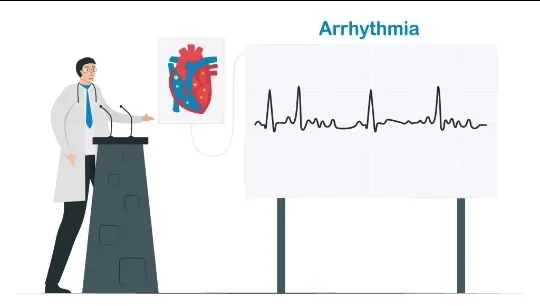
When this rhythm is disrupted, the heartbeat may become too fast, too slow, or irregular.
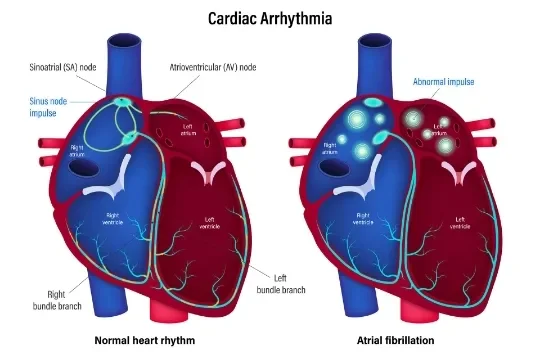
The disorder may sometimes occur without obvious symptoms, or it may present as sudden palpitations, dizziness, or shortness of breath.
Not all arrhythmias carry the same level of risk; some cases are mild, while others are associated with complications requiring close monitoring.
Therefore, addressing the issue begins with understanding its nature, recognizing the signs that warrant examination, and knowing the methods used to reach an accurate diagnosis.
1. What is cardiac arrhythmia, and what causes it?
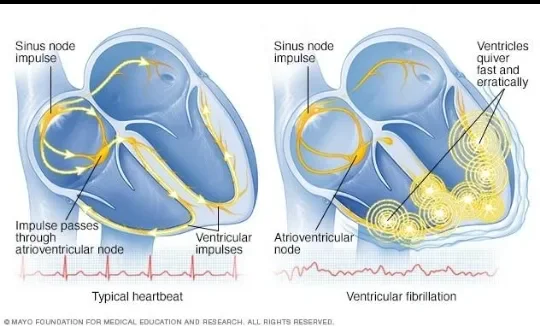
Cardiac arrhythmia is an alteration in the heart rate or rhythm resulting from a malfunction in the electrical signals that regulate the contraction of the heart muscle. The normal rhythm originates at the sinus node—the heart's natural pacemaker—and the signal then travels along an organized electrical pathway, causing the heart chambers to contract in sequence. Arrhythmias can be caused by heart disease, high blood pressure, certain thyroid disorders, or imbalances in blood electrolyte levels; some cases may also be linked to genetic factors, medications, or specific triggers.
Conversely, in some patients, the cause may remain unclear. Importantly, experiencing palpitations does not automatically mean one has an arrhythmia, as the sensation of a heartbeat can arise from various causes—making a medical diagnosis far more reliable than relying on sensation alone.
2. What are the types of heart rhythm disorders?
Heart rhythm disorders are classified based on heart rate, the location of the abnormality, and the conduction of electrical signals. Tachycardia refers to a heart rate that is faster than normal, while bradycardia indicates a slow heart rate. Some disorders originate in the atria—such as atrial fibrillation, which is characterized by an irregular rhythm and may be associated with an increased risk of blood clots and stroke. Other examples include atrial flutter and premature contractions, which can make a person feel as though their heart has skipped a beat or added an extra one.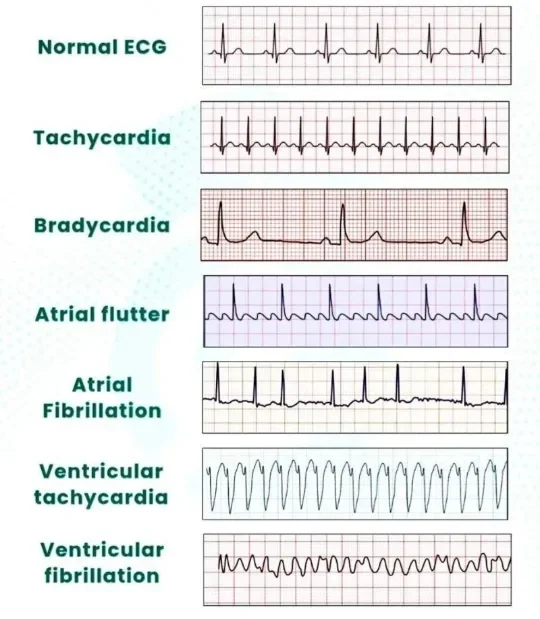
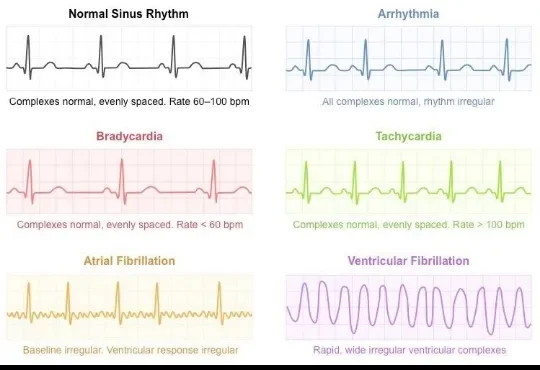
There are also ventricular disorders; among the most dangerous is ventricular fibrillation, which prevents the heart from pumping blood effectively and can lead to cardiac arrest if not treated immediately. The clinical significance of each type varies depending on the individual's health status and the disorder's impact on cardiac efficiency and blood circulation.
3. What are the symptoms of an irregular heartbeat, and when does it become an emergency
An irregular heartbeat may not cause any symptoms, and a doctor may discover the condition during a routine examination. When symptoms do appear, they may include palpitations, a feeling that the heart is racing or fluttering, or a missed beat. These may be accompanied by a noticeable increase in heart rate, fatigue, weakness, dizziness, a feeling of faintness, or shortness of breath. In some cases, chest pain or pressure may occur. Symptoms vary depending on the type of irregularity, its duration, and its effect on the heart's ability to pump blood. Therefore, palpitations alone should not be interpreted as a specific disease, especially since some heart rhythm disturbances may be temporary.
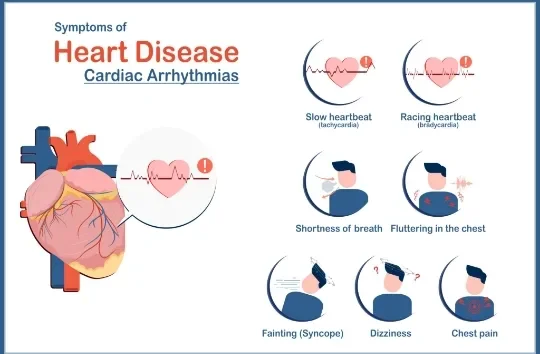
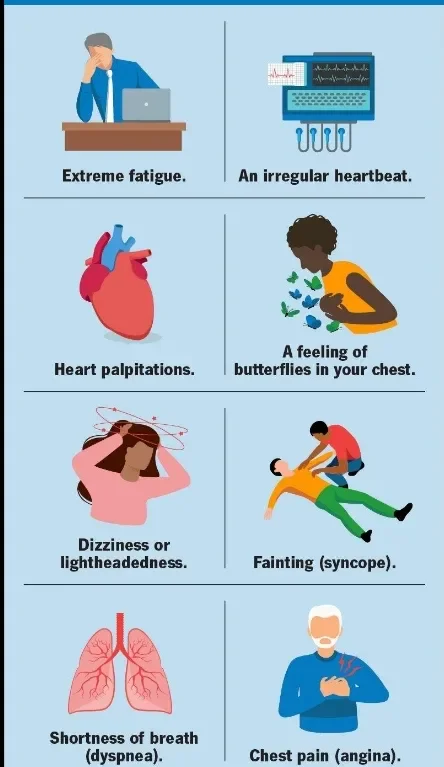
However, chest pain or pressure, severe shortness of breath, fainting, loss of consciousness, or sudden signs of a stroke are signs that require immediate medical attention.
4. How is an irregular heartbeat diagnosed?
Diagnosing a heart rhythm disorder doesn't rely solely on symptoms. It typically begins with a medical history, physical examination, pulse and blood pressure measurements, followed by the selection of appropriate tests. An electrocardiogram (ECG) or EKG is one of the most important diagnostic tools because it records the heart's electrical activity and can reveal certain irregularities in heart rate or rhythm. However, a standard ECG only records for a short period and may therefore miss irregularities occurring infrequently. In such cases, a Holter monitor can be used to record heart activity over a longer period during daily activities, or other recording devices for less frequent occurrences.
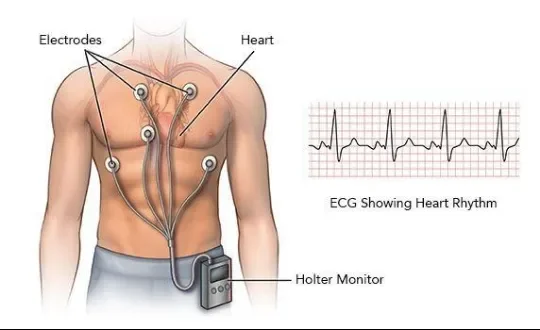
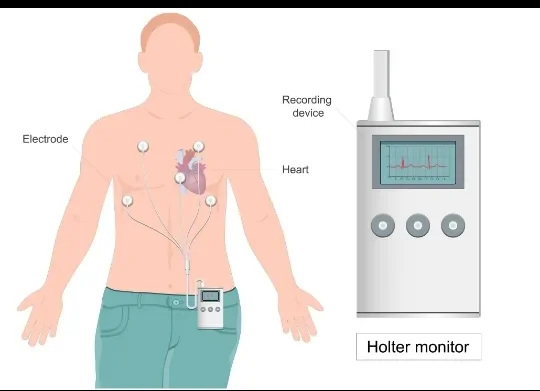
The doctor may also order blood tests to look for factors that can affect heart rhythm, such as electrolyte imbalances or thyroid disorders, in addition to cardiac imaging tests like echocardiography, stress tests, or, in specific cases, specialized electrophysiology studies. The choice of test depends on the nature of the symptoms and the suspected type of arrhythmia.
5. Frequently Asked Questions
Does every palpitation indicate a heart rhythm disorder?
No. Palpitations can be caused by an arrhythmia, but they can also occur for other reasons. Therefore, their frequency or changes in nature require proper medical evaluation. Can an arrhythmia occur without symptoms? Yes, some arrhythmias may not cause obvious symptoms and may be discovered during a physical exam or an electrocardiogram (ECG).
Is a standard ECG sufficient for diagnosis?
Not always. If symptoms are intermittent and not detected on an ECG, your doctor may suggest longer-term monitoring of your heart using a Holter monitor or another appropriate device.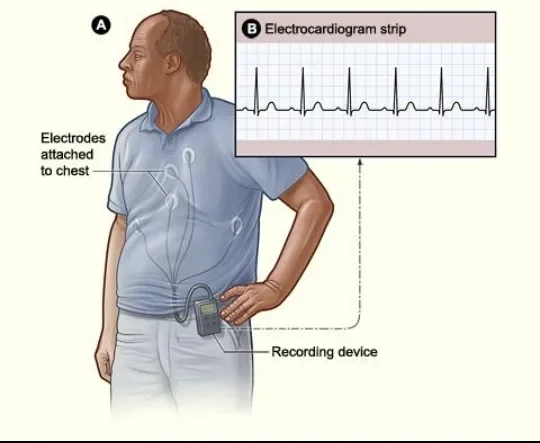
Is an arrhythmia treatable?
The answer depends on the type, cause, and your overall health. Some cases may only require monitoring, while others may require medication or procedures such as cardioversion, catheter ablation, or pacemakers.
When should you seek immediate medical attention?
If you experience chest pain or pressure, severe shortness of breath, fainting, loss of consciousness, or any sudden symptoms that suggest a serious heart or circulatory problem, seek emergency medical care immediately.
Medical Disclaimer:
This article provides general medical information for educational purposes and is not a substitute for professional medical advice or diagnosis. Determining the type and severity of a heart rhythm disorder requires evaluation by a specialist and may involve an electrocardiogram (ECG), pulse monitoring, or additional tests depending on the case.
Sources
American Heart Association — What Is an Arrhythmia?
https://www.heart.org/en/health-topics/arrhythmia/about-arrhythmia
American Heart Association — Symptoms, Diagnosis and Monitoring of Arrhythmia
https://www.heart.org/en/health-topics/arrhythmia/symptoms-diagnosis--monitoring-of-arrhythmia
National Heart, Lung, and Blood Institute (NIH) — Arrhythmias: Diagnosis
https://www.nhlbi.nih.gov/health/arrhythmias/diagnosis
Mayo Clinic — Heart Arrhythmia: Diagnosis and Treatment
https://www.mayoclinic.org/diseases-conditions/heart-arrhythmia/diagnosis-treatment/drc-20350674
.
تابع جديد Alkatp
اختر إشعارات الموقع أو البريد أو الاثنين. الزائر يقدر يشترك ببريده دون تسجيل حساب.
الإبلاغ عن المقال
لو لاحظت مشكلة في المحتوى، أرسلها لفريق المراجعة. لن تظهر بياناتك لكاتب المقال أو للقراء.
تعذّر إرسال البلاغ الآن. حاول مرة أخرى لاحقًا.
سجّل الدخول لإرسال بلاغ







النقاش
التعليقات (0)
فكرة تضيفها، أو سؤال يفتح حوارًا.
الرجاء تسجيل الدخول لتتمكن من التعليق