

في هذا المقال
Heart failure: symptoms, causes, diagnosis, and the latest treatment and prevention methods as of 2026.
.
Heart failure may begin with a subtle sign that goes unnoticed: shortness of breath following routine physical exertion.
This may be followed by fatigue, leg swelling, or weight gain due to fluid retention.
As the condition progresses, daily activities that were once easy may become increasingly exhausting.
However, heart failure is not a single, uniform condition, and it does not progress in the same way for every patient.
Consequently, early diagnosis and treatment tailored to the specific cause and heart function have become central to patient care.
1. What is heart failure, and what are its primary causes?
Heart failure is a syndrome that occurs when the heart is unable to pump enough blood to meet the body's needs, or when it cannot fill with blood normally without an abnormal rise in intracardiac pressure. This definition is important because heart failure does not mean the heart has stopped beating, nor is it always associated with severely reduced pumping strength of the heart muscle.
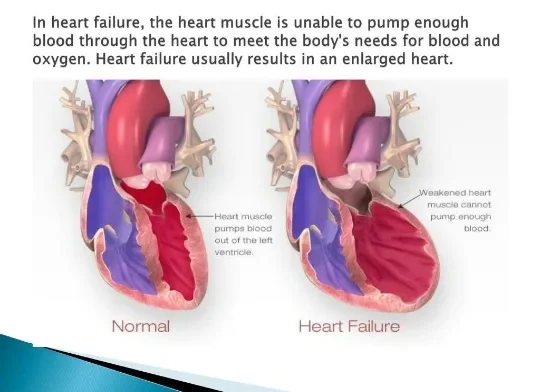
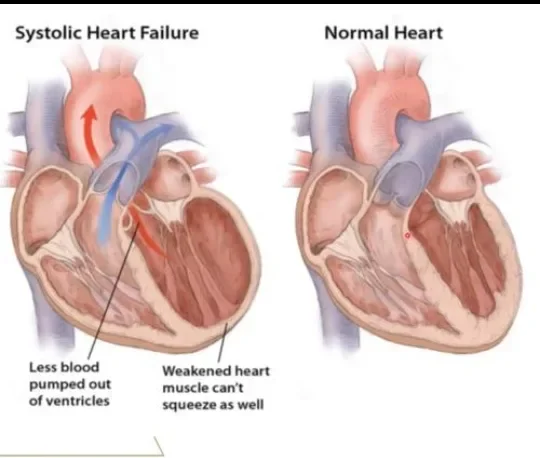
The heart may have a weak contraction, or it may retain its contractile ability while suffering from issues with relaxation and filling. Key causes include coronary artery disease, previous heart attacks, chronic high blood pressure, heart valve diseases, heart rhythm disorders, heart muscle diseases (cardiomyopathy), and certain congenital heart defects. Obesity, diabetes, kidney disease, certain inflammatory or genetic conditions, and specific medications or cardiotoxic substances may also contribute to an increased risk of developing the condition. Guidelines from the European Society of Cardiology, published in August 2026, emphasize that identifying the underlying cause is a fundamental part of diagnosing heart failure, as discovering a treatable cause can fundamentally alter the treatment plan.
2. Symptoms of Heart Failure: What Signs Should You Look For?
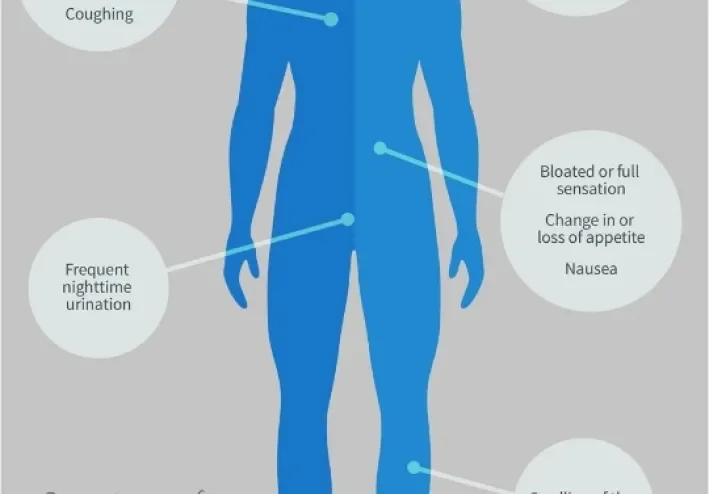
Symptoms of heart failure vary depending on the severity, rate of progression, and type of the condition; however, they often arise from reduced circulatory efficiency or fluid accumulation in the lungs and tissues. Shortness of breath is one of the most common signs; it may initially occur during activities like walking or climbing stairs, but in some patients, it progresses to occur even at rest or when lying down. Patients may experience fatigue, exhaustion, and a reduced ability to perform routine activities, alongside swelling in the ankles, feet, and legs, or a noticeable, rapid weight gain due to fluid retention.
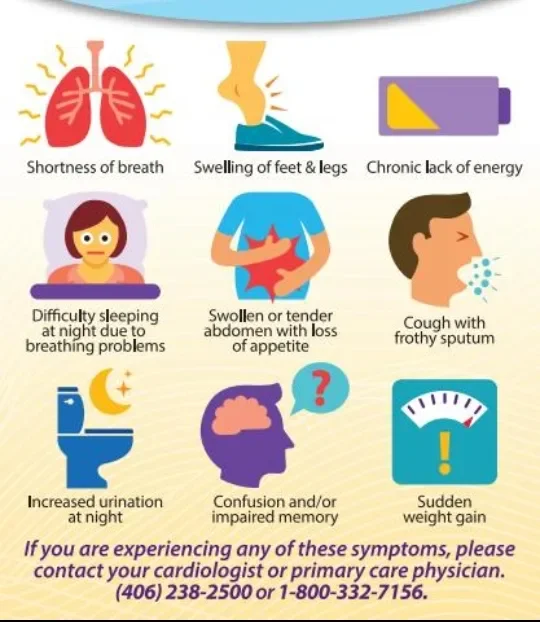
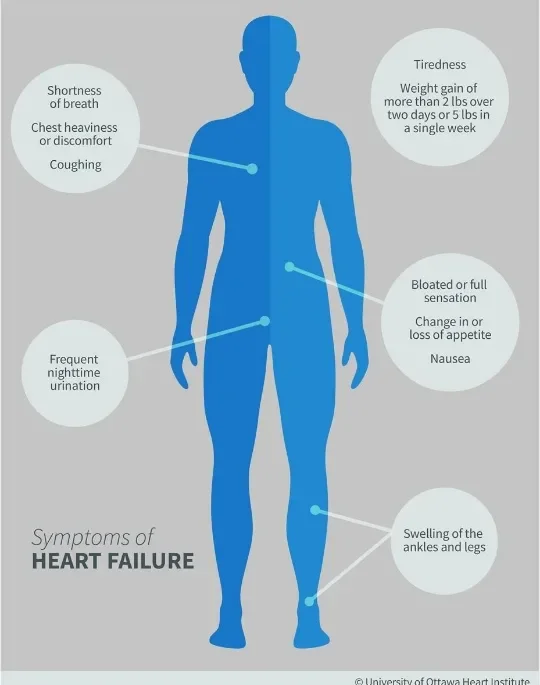
Other potential symptoms include rapid or irregular heartbeat, persistent coughing or wheezing, loss of appetite, nausea, abdominal bloating, and difficulty concentrating. It is important not to assume that all swelling or shortness of breath is caused by heart failure, as these symptoms can stem from various causes. However, sudden, severe shortness of breath, chest pain, fainting, or heart rhythm disturbances accompanied by severe symptoms require urgent medical evaluation, particularly in individuals with a known history of heart disease.
3. How is heart failure diagnosed, and what tests are required?
There is no single test that detects all cases of heart failure; therefore, diagnosis relies on gathering information from medical history, clinical examination, symptoms, and the results of a battery of tests. The physician typically begins by assessing blood pressure, pulse, and breathing; listening to the heart and lungs; and checking for leg swelling or signs of fluid retention. Tests may include measuring BNP or NT-proBNP—biomarkers that help assess the likelihood of heart failure—as well as evaluating kidney and liver function, sodium and potassium levels, and other parameters depending on the specific case.
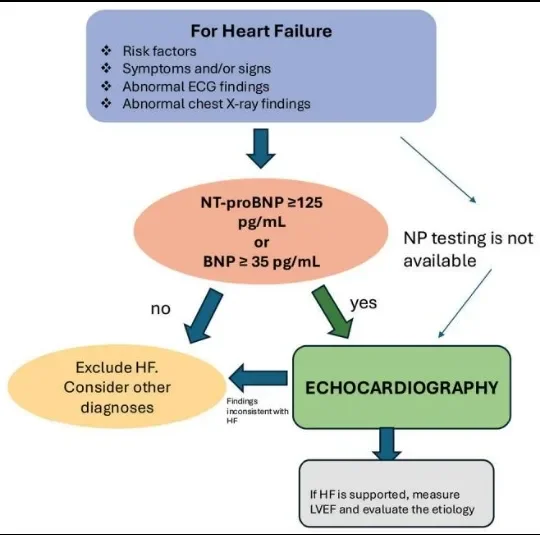
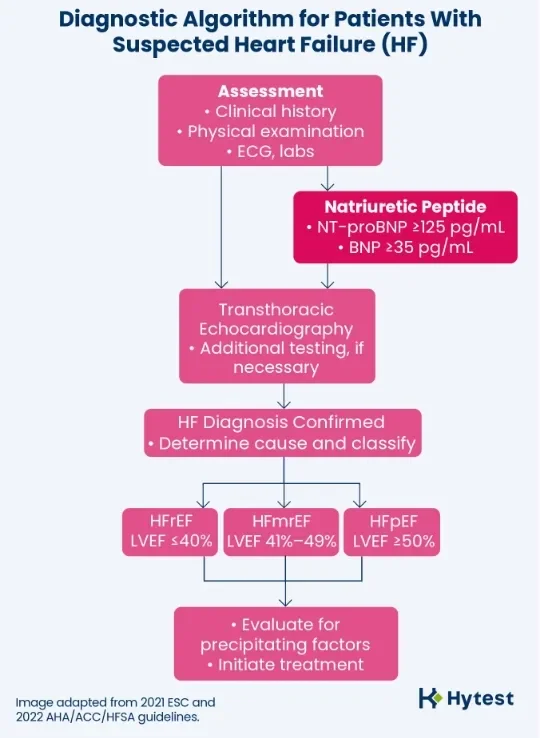
Electrocardiography (ECG) and chest X-rays are useful diagnostic tools, while echocardiography is a crucial test for assessing heart structure, ventricular and valve function, and the ejection fraction. Some patients may require cardiac MRI, stress testing, coronary angiography, or cardiac catheterization, particularly when the underlying cause is unclear or there is a suspicion of coronary artery or heart muscle disease. The physician then determines the type, severity, and probable cause of the heart failure—information that directly influences the choice of treatment.
4. Latest Heart Failure Treatments in 2026: Medications, Devices, and Interventions
Heart failure treatment has advanced significantly, with management plans increasingly tailored to the specific type of heart failure, ventricular function, the underlying cause, and any co-existing conditions. According to the 2026 ESC guidelines, SGLT2 inhibitors and mineralocorticoid receptor antagonists (MRAs) are essential components of pharmacological therapy for patients with symptomatic heart failure, regardless of ejection fraction.
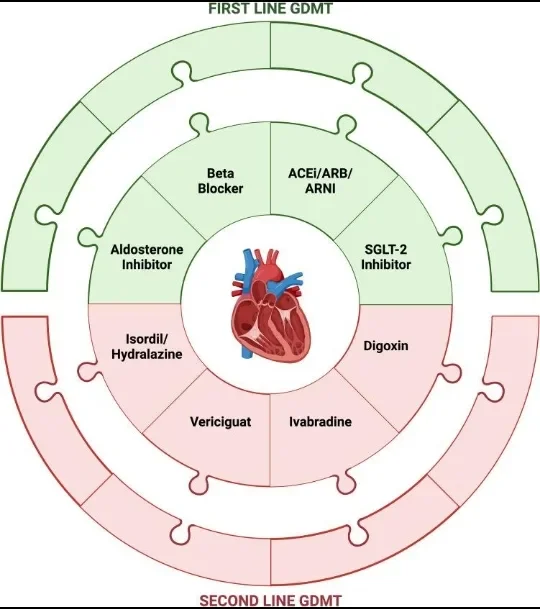
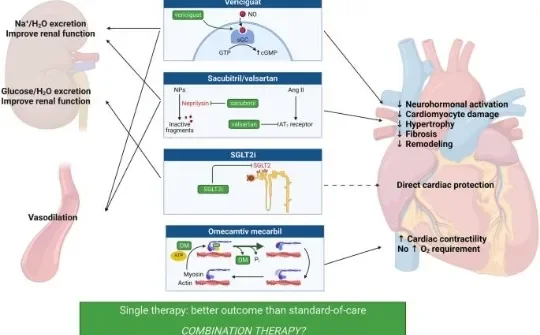
Meanwhile, the foundational treatment for heart failure with reduced ejection fraction (HFrEF) comprises four key classes: renin-angiotensin system inhibitors (including ARNIs, ACE inhibitors, or ARBs, depending on the specific case), beta-blockers, MRAs, and SGLT2 inhibitors. Diuretics are used on an individual basis in the presence of congestion or fluid retention to alleviate symptoms and improve mobility. However, these drug classes do not imply that every patient requires all the medications or identical dosages; factors such as kidney function, blood pressure, potassium levels, and comorbidities influence the choice of medication, dosage, and timing.
In cases where medication alone is insufficient, cardiac devices and specialized interventions may be incorporated into the treatment plan. An implantable cardioverter-defibrillator (ICD) may be appropriate for certain patients at risk of dangerous arrhythmias, while cardiac resynchronization therapy (CRT) can be utilized in specific cases involving electrical conduction abnormalities. Certain valvular conditions may be repaired via catheter-based procedures or surgery, and in very advanced cases, mechanical circulatory support devices or heart transplantation may be required for selected patients. A notable development in the 2026 guidelines is the increased focus on personalized treatment based on patient characteristics, alongside updated recommendations for specific medications and interventions.
This includes targeted therapies for certain groups, such as patients with obesity and heart failure with preserved ejection fraction (HFpEF). Adjusting treatment and monitoring kidney function, electrolyte levels, blood pressure, and clinical response remain essential; medication should not be stopped or altered without consulting a physician.
5. Preventing Heart Failure
The risk of developing heart failure can be reduced in many people through the early management of factors that harm the heart. This includes treating high blood pressure, diabetes, and cholesterol disorders; quitting smoking; maintaining a healthy weight; engaging in appropriate physical activity; following a balanced diet; and avoiding excessive alcohol consumption or substances that may damage the heart.
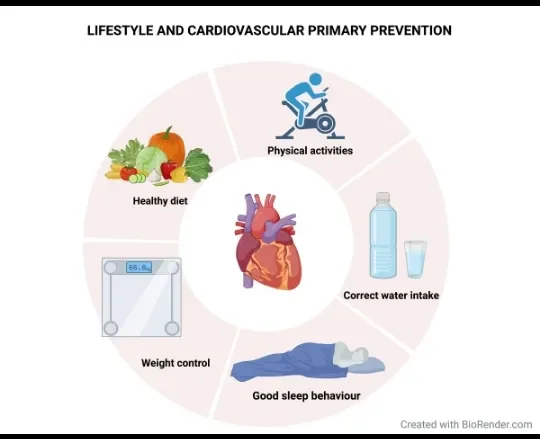
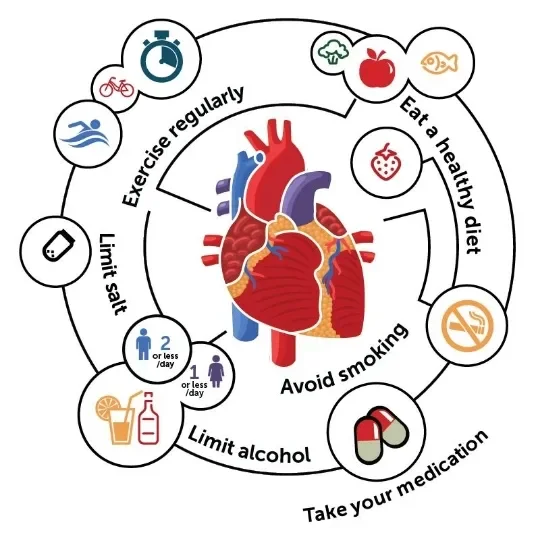
For individuals with existing heart disease, high blood pressure, or diabetes, regular monitoring and adherence to treatment can reduce the likelihood of complications developing.
For those already diagnosed with heart failure, it is beneficial to monitor weight and symptoms daily—following the doctor's instructions—and to watch for increased swelling, shortness of breath, or rapid weight changes. Early detection of fluid retention or clinical deterioration can facilitate intervention before the condition becomes more serious.
Frequently Asked Questions:
Does heart failure mean the heart has stopped beating?
No; it refers to a reduced ability of the heart to meet the body's needs, not a cessation of the heartbeat. Can heart failure be cured? That depends on the underlying cause; For some patients, heart function and symptoms may improve significantly once the underlying cause is treated and the treatment plan is followed, whereas others may require long-term treatment.
Can heart failure occur with seemingly normal pumping efficiency?
Yes; heart failure with preserved ejection fraction can occur when the problem lies in the heart's filling and relaxation or in internal pressures. Therefore, the ejection fraction value alone is not sufficient to assess the condition.
Does leg swelling indicate heart failure?
Not necessarily; it can result from other diseases, medications, or various issues. Is exercise possible? Appropriate physical activity can often be incorporated into care, but the type and intensity must be tailored to the patient's condition and the physician's assessment.
When do symptoms constitute a medical emergency?
Chest pain, fainting, sudden severe shortness of breath, or a sharp deterioration accompanied by severe symptoms require immediate emergency care.
Medical Disclaimer:
This article provides general information for awareness and medical understanding; it does not constitute a diagnosis or prescription and is not a substitute for a physician's assessment. Treatment plans vary from patient to patient based on the underlying cause, the type of heart failure, heart and kidney function, medications, and co-existing conditions.
Sources
European Society of Cardiology — 2026 ESC Guidelines for the Management of Heart Failure — https://www.escardio.org/guidelines/clinical-practice-guidelines/all-esc-practice-guidelines/heart-failure/
American Heart Association — Diagnosing Heart Failure — https://www.heart.org/en/health-topics/heart-failure/diagnosing-heart-failure
American Heart Association — Treatment Options for Heart Failure — https://www.heart.org/en/health-topics/heart-failure/treatment-options-for-heart-failure/
Mayo Clinic — Heart Failure: Diagnosis and Treatment — https://www.mayoclinic.org/diseases-conditions/heart-failure/diagnosis-treatment/drc-20373148
تابع جديد Alkatp
اختر إشعارات الموقع أو البريد أو الاثنين. الزائر يقدر يشترك ببريده دون تسجيل حساب.
الإبلاغ عن المقال
لو لاحظت مشكلة في المحتوى، أرسلها لفريق المراجعة. لن تظهر بياناتك لكاتب المقال أو للقراء.
تعذّر إرسال البلاغ الآن. حاول مرة أخرى لاحقًا.
سجّل الدخول لإرسال بلاغ





النقاش
التعليقات (0)
فكرة تضيفها، أو سؤال يفتح حوارًا.
الرجاء تسجيل الدخول لتتمكن من التعليق