

في هذا المقال
Halting Heart Deterioration Early: The Latest Heart Failure Treatments and Complication Prevention in 2026
A seemingly simple question has gained significant importance as cardiology evolves: Do doctors wait for clear signs of heart failure to appear, or can they intervene before the heart reaches a stage where restoring its function becomes difficult? The medical trend in 2026 clearly favors the latter approach; modern guidelines emphasize identifying at-risk individuals, detecting cardiac changes early, and initiating timely treatment.
1. Why Does Heart Deterioration Begin Before Symptoms Appear?
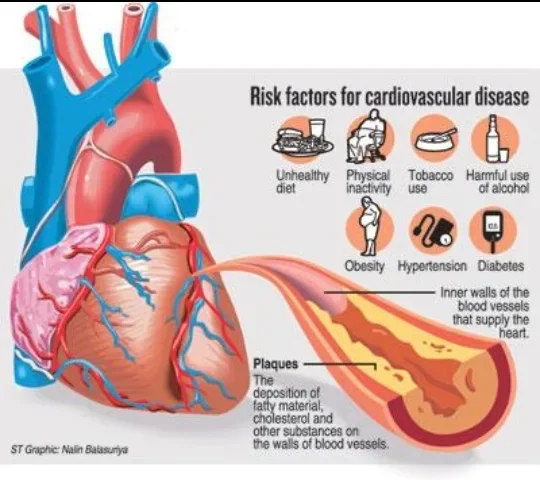
Heart failure rarely develops in isolation; many cases evolve after years of high blood pressure, coronary artery disease, diabetes, obesity, chronic kidney disease, heart rhythm disorders, or valvular heart disease. Certain heart muscle diseases, genetic factors, and cardiac-impacting treatments can also play a role.
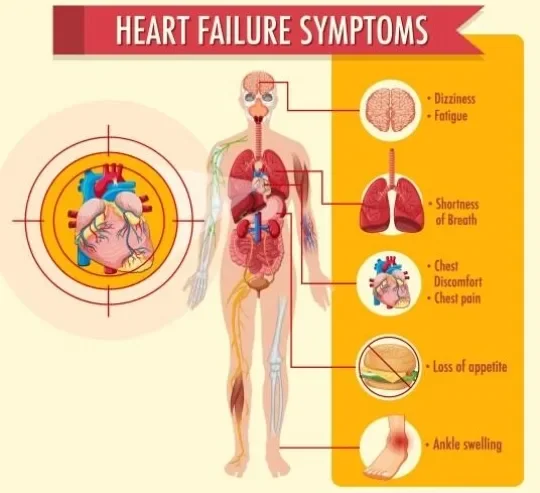
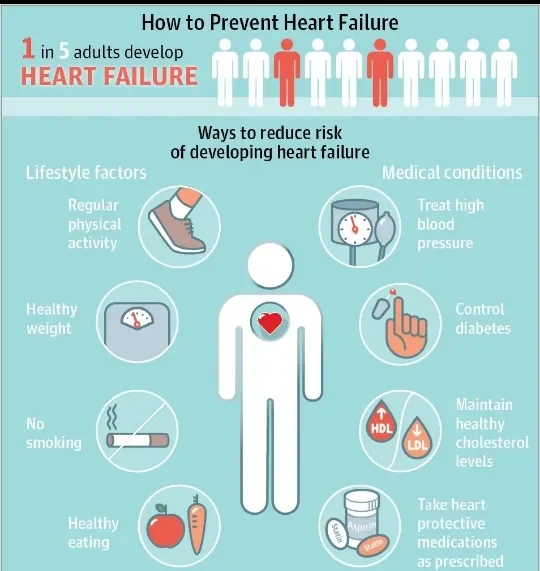
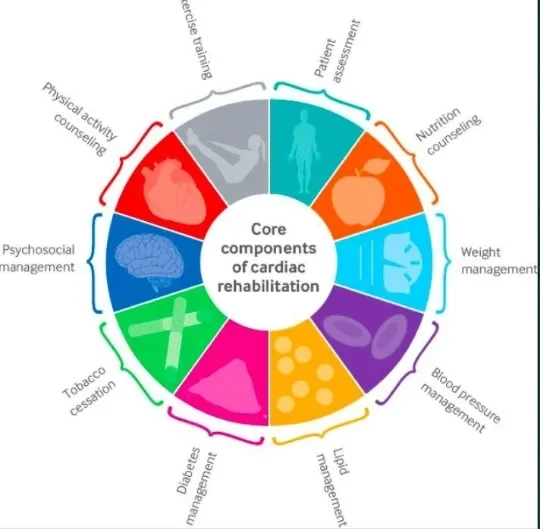
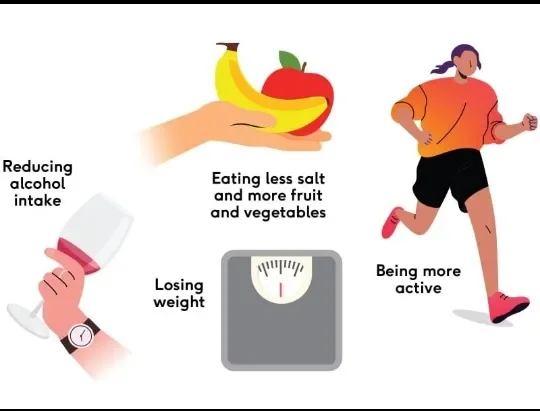
The challenge lies in the heart's ability to compensate for a prolonged period; consequently, changes in the heart muscle may begin well before a person experiences shortness of breath or leg swelling. For this reason, international guidelines updated in 2026 have reaffirmed the importance of early stages—including the phase preceding overt heart failure—as opportunities for intervention to reduce the likelihood of progressing to symptomatic disease. Effective prevention involves managing blood pressure, diabetes, and lipid levels; addressing obesity; engaging in appropriate physical activity; quitting smoking; and paying attention to kidney health.
2. What signs should not go without medical evaluation?
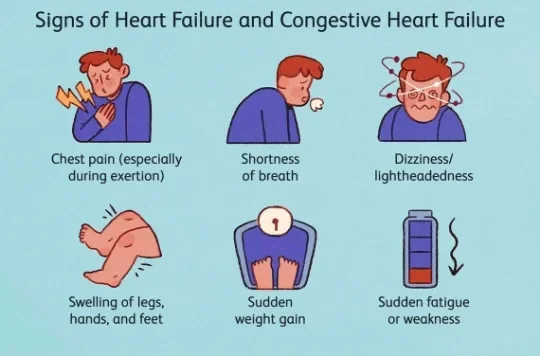
The problem may begin with seemingly ordinary signs: shortness of breath during exertion that was previously easy, unusual fatigue, reduced ability to walk or climb stairs, swelling in the ankles and legs, rapid weight gain due to fluid retention, palpitations, a persistent cough, or difficulty breathing when lying down. The situation becomes particularly critical if symptoms progressively worsen or are accompanied by chest pain or pressure, fainting, sudden severe shortness of breath, or a marked alteration in consciousness—conditions that require urgent evaluation.
Symptoms alone are insufficient to diagnose heart failure; therefore, physicians rely on physical examinations, medical history, and blood tests—including biomarkers such as BNP and NT-proBNP—alongside electrocardiograms (ECG) and echocardiography. Depending on the specific case, cardiac MRI or other tests may also be required.
3. What has changed in heart failure treatment as of 2026?
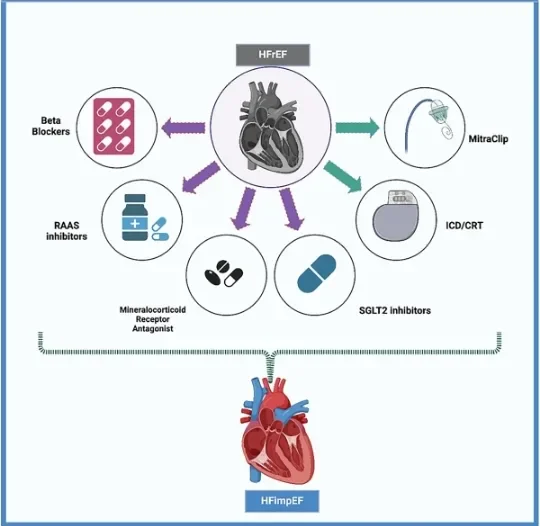
The most significant shift is that modern treatment no longer relies on a single drug expected to halt the disease; instead, it involves selecting a combination of therapies tailored to the specific type of heart failure, the patient's condition, and any co-existing illnesses. For cases involving reduced ejection fraction, medications such as renin-angiotensin system inhibitors, beta-blockers, mineralocorticoid receptor antagonists, and SGLT2 inhibitors form a crucial foundation of treatment when medically appropriate.
Regarding heart failure with preserved ejection fraction, therapeutic options have expanded in recent years; 2026 guidelines have reaffirmed the role of SGLT2 inhibitors and introduced advanced recommendations for mineralocorticoid receptor antagonists. Furthermore, drugs like semaglutide and tirzepatide have become particularly important for patients presenting with both obesity and heart failure with preserved ejection fraction. Recent studies have demonstrated improvements in symptoms and mobility, as well as a reduction in heart failure worsening events within this group, though the choice and suitability of medication remain individual medical decisions.
4. Can the heart improve after weakness sets in?
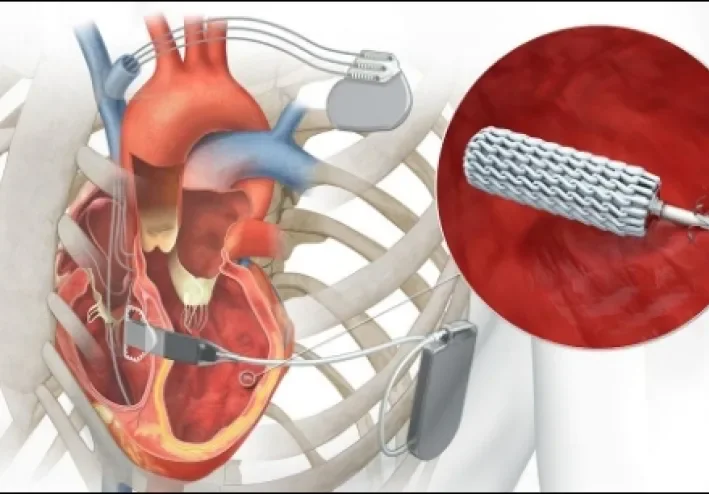
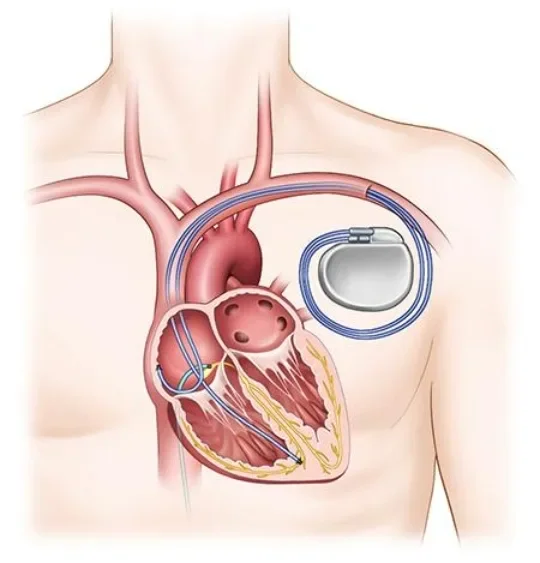
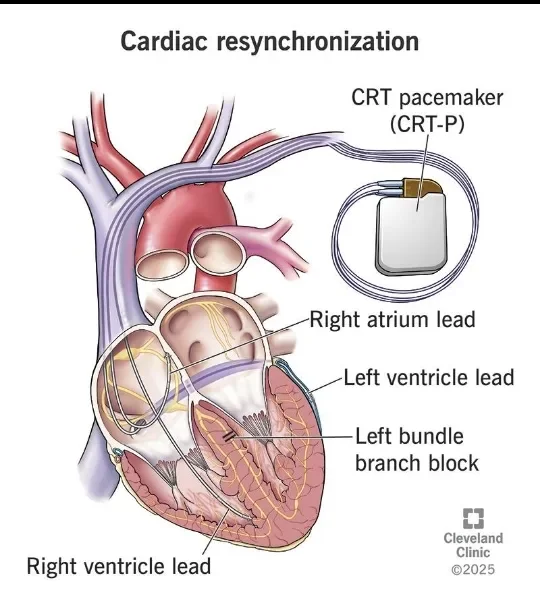
Yes; in some patients, heart function can improve significantly when the underlying cause is identified and treated early, and appropriate therapies are employed. Such improvement may occur following the control of high blood pressure, treatment of arrhythmias, management of valvular disease, or alleviation of ischemia; additionally, certain medications can help remodel the heart muscle and reduce the strain placed upon it. When medications prove insufficient, interventions such as defibrillators or ventricular resynchronization therapy may be employed in specific cases, and certain valvular conditions may benefit from catheter-based procedures. In very advanced cases, more specialized options exist, including circulatory support devices and heart transplantation. Recent reviews indicate that physiological pacing therapies can improve cardiac function, activity levels, and quality of life in patients selected based on specific criteria.
5. Can progression to the critical stage be prevented?
Prevention does not guarantee that heart failure will be avoided in every instance, yet it has become an integral part of the treatment strategy itself. Data from 2026 confirm that managing cardiac, metabolic, and renal risk factors must begin before symptomatic heart failure develops—particularly in individuals with hypertension, diabetes, obesity, kidney disease, or arterial disease. A common question is: Does every instance of shortness of breath indicate heart failure? No; it can result from lung disease, anemia, or other disorders, and therefore requires medical evaluation.
Can the disease be halted completely?
Such a promise cannot be made; however, early treatment can slow deterioration, alleviate symptoms, and reduce hospital admissions, and some patients may even experience improved heart function. Is weight loss sufficient? Not always, though it can be a crucial component of treatment for obese patients, particularly those with heart failure and preserved ejection fraction. Can heart medications be discontinued if the ejection fraction improves? This should not be done without medical supervision, as improvement does not necessarily mean the risk of disease recurrence has vanished. The conclusion drawn from 2026 evidence is that one should
not wait for a critical moment to arise;
instead, the goal is early risk detection and identifying the underlying cause, followed by treating the heart, blood pressure, diabetes, weight, and kidneys as an integrated system.
Medical Disclaimer:
This article provides general information for health awareness purposes; it does not constitute a medical diagnosis or prescription and is not a substitute for a professional evaluation by a cardiologist, particularly if new or worsening symptoms appear.
Sources
https://www.acc.org/latest-in-cardiology/articles/2026/10/01/01/new-in-clinical-guidance
https://www.acc.org/sglt2iTools
- European Society of Cardiology. 2026 ESC Guidelines for the Management of Heart Failure. European Heart Journal, 2026.
- Walsh MN, et al. AHA/ACC/ESC/WHF Expert Consensus Document: Second Universal Definition of Heart Failure (2026). Circulation, 2026.
- American College of Cardiology. 2026 ACC Expert Consensus Decision Pathway for the Management of Heart Failure With Preserved Ejection Fraction. 2026.
- American College of Cardiology. SGLT2i Pocket Guide and Infographic: Transformation of HF Care.
تابع جديد Alkatp
اختر إشعارات الموقع أو البريد أو الاثنين. الزائر يقدر يشترك ببريده دون تسجيل حساب.
الإبلاغ عن المقال
لو لاحظت مشكلة في المحتوى، أرسلها لفريق المراجعة. لن تظهر بياناتك لكاتب المقال أو للقراء.
تعذّر إرسال البلاغ الآن. حاول مرة أخرى لاحقًا.
سجّل الدخول لإرسال بلاغ





النقاش
التعليقات (0)
فكرة تضيفها، أو سؤال يفتح حوارًا.
الرجاء تسجيل الدخول لتتمكن من التعليق