

في هذا المقال
Cutting-Edge Cardiac Treatments in 2026: Medications Targeting Cholesterol, Blood Sugar, Kidney Function, and Weight to Protect the Heart
The heart does not function in isolation from the rest of the body.
High blood sugar, excess weight, lipid disorders, and kidney dysfunction can all converge on a single pathway leading to heart disease.
Consequently, modern medications are shifting from merely controlling numerical readings to targeting these intertwined risk factors.
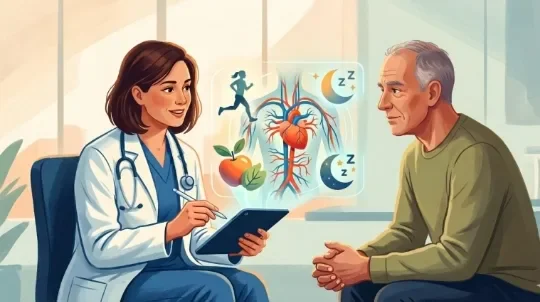
By 2026, this shift has become even more pronounced with the emergence of recommendations and treatments that integrate cardiac, renal, and metabolic protection.
The question is no longer just "How do we lower blood pressure?" but rather "How do we prevent cardiac damage before it becomes irreversible?"
1. Why Has the Concept of Cardiac Treatment Changed?
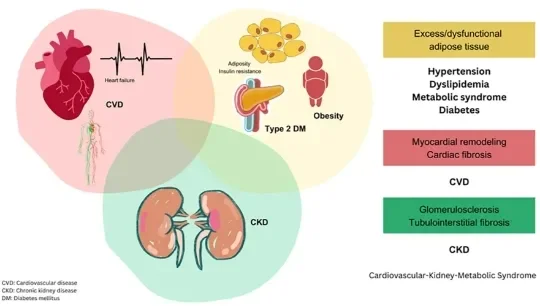
Heart disease is no longer viewed merely as an issue of blood pressure or heart rate. In 2026, joint guidelines from the American Heart Association, the American College of Cardiology, the American Diabetes Association, and the American Society of Nephrology introduced an integrated framework for "Cardiovascular-Kidney-Metabolic Syndrome." This framework links obesity, diabetes, hypertension, lipid disorders, kidney disease, and heart disease within a single health trajectory.
This shift is crucial because patients may remain asymptomatic during the early stages, even as risk factors continue to drive changes within the blood vessels, heart, and kidneys. Consequently, prevention and treatment have increasingly come to rely on assessing the patient's overall clinical picture, rather than addressing individual figures in isolation. Modern guidelines employ tools to estimate the short- and long-term risk of heart disease, taking into account metabolic and renal factors that were not previously incorporated into traditional assessments in this manner.
2. Symptoms Are Not Always the Starting Point: What Signs Warrant Attention?
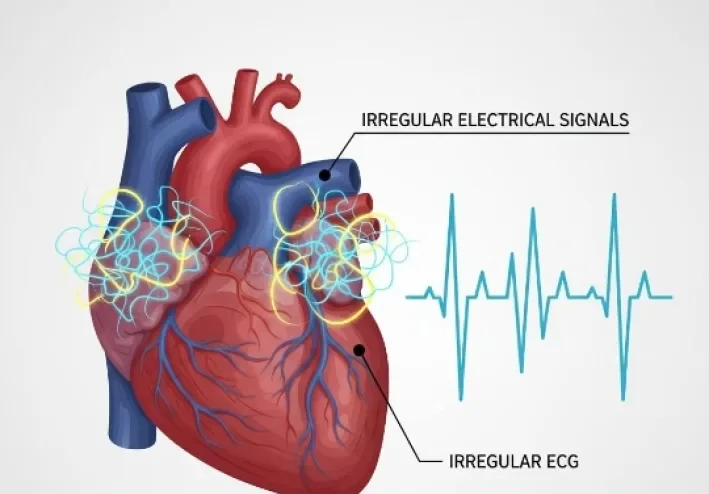
Heart problems can begin without obvious symptoms, particularly in cases of prolonged high blood pressure, cholesterol, or blood sugar levels. When symptoms do appear, they may include chest pain or pressure, shortness of breath, unusual fatigue, dizziness, palpitations, or leg swelling, depending on the specific heart condition. However, the presence of these symptoms does not pinpoint the cause on its own, nor does their absence necessarily mean there is no risk.
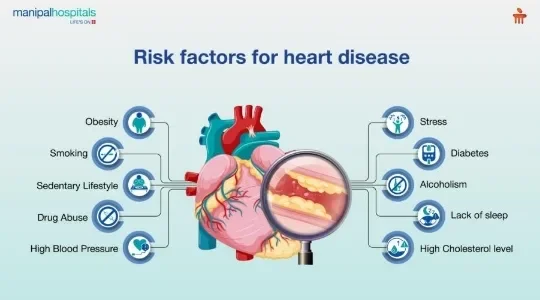
Consequently, modern care focuses on identifying risk factors before symptoms manifest by monitoring blood pressure, lipid levels, blood sugar, weight, waist circumference, and—when necessary—kidney function. Addressing obesity has also become an integral part of cardiac prevention, rather than merely an issue of appearance or weight. Guidelines for 2026 emphasize the importance of physical activity, heart-healthy nutrition, quality sleep, tobacco avoidance, and the management of blood pressure, blood sugar, and cholesterol levels.
3. What Do Modern Treatments Offer Beyond Managing Blood Pressure and Heart Rate?
The most significant shift lies in the nature of medications, which are now prescribed based on the patient's overall condition rather than a single symptom. For instance, certain SGLT2 inhibitors—originally developed to treat diabetes—have become part of heart and kidney protection strategies for specific patient groups. GLP-1 therapies have also emerged as a major treatment option, particularly for individuals with obesity or type 2 diabetes who are at high risk for heart disease, with careful consideration given to the patient's overall health status.
In the management of heart failure, treatment plans have become increasingly multifaceted; In specific cases, treatment regimens combine drugs affecting the renin-angiotensin system, beta-blockers, mineralocorticoid receptor antagonists, and SGLT2 inhibitors; the specific choices depend on the type of heart failure, kidney function, and comorbidities. Simultaneously, advancements in cholesterol-lowering therapies and molecular lipid targeting are expanding the treatment paradigm—moving beyond mere blood pressure control to actively reducing the sources of damage that drive atherosclerosis and heart failure.
4. What are the latest research findings as of 2026?
One of the most compelling developments this year is the growing shift toward precision, molecularly targeted therapy. In September 2026, the American College of Cardiology published a scientific statement on gene-editing therapies for heart disease. It highlighted technologies such as CRISPR and the potential to target specific genetic disorders—particularly cases where the disease is linked to a clear genetic mutation and the therapeutic target is accessible within the liver.
However, these technologies do not mean that gene therapy has become a routine treatment for most heart patients. Research continues to address questions regarding the safety of delivering the therapy to the target cells, long-term effects, costs, and precise patient selection. Similarly, advancements in artificial intelligence, data analysis, biomarkers, and medical imaging are improving risk detection and treatment personalization; however, their widespread clinical adoption requires ongoing validation of their benefits and safety.
5. Frequently Asked Questions:
Does this mean blood pressure medications are no longer important?
No. Controlling blood pressure remains a cornerstone of prevention and treatment; however, modern therapeutic choices may simultaneously take into account diabetes, obesity, kidney function, cholesterol levels, and the specific type of heart disease.
Do all heart patients require GLP-1 or SGLT2 medications?
No. Their utility and use depend on the diagnosis, comorbidities, kidney function, weight, and cardiovascular risk profile; they should not be prescribed simply because a patient has heart disease.
Can cardiac deterioration be prevented before symptoms appear?
In many cases, risk can be reduced through the early detection and management of risk factors, alongside physical activity, proper nutrition, adequate sleep, tobacco avoidance, and regular medical follow-up.
Is gene therapy available to all heart patients?
No. Gene therapy and gene editing remain evolving fields; current applications and research focus on specific, selected cases, and they do not serve as a general substitute for established medications.
**Does this mean cardiac treatment will stop focusing on the heart itself?**
It is more accurate to say that treatment now views the heart within a broader context. Factors such as kidney function, weight, blood sugar, lipid levels, and blood pressure can all influence the course of heart disease; consequently, managing these factors has become an integral part of protecting the heart. This is the direction reflected in the modern 2026 guidelines.
Medical Disclaimer:
This article provides general information for health education purposes and does not constitute a diagnosis, a prescription, or a substitute for a professional medical evaluation. The choice of medication, dosage, and treatment suitability depends on the diagnosis, medical history, test results, kidney and liver function, and other medications being taken.
Sources
https://pubmed.ncbi.nlm.nih.gov/41885675/
References
Ndumele CE, Rodriguez F, Dixon DL, et al. 2026 AHA/ACC/ADA/ASN Guideline for the Prevention, Detection, Evaluation, and Management of Cardiovascular-Kidney-Metabolic Syndrome. Circulation. 2026.
Ambardekar AV, Bhatt A, Hoekstra M, et al. Gene Editing Therapy in Cardiovascular Disease: 2026 ACC Scientific Statement. Journal of the American College of Cardiology. 2026.
American Heart Association. 2026 Guideline for the Prevention, Detection, Evaluation, and Management of Cardiovascular-Kidney-Metabolic Syndrome. 2026.
Global cardiovascular organizations. Second Universal Definition of Heart Failure. 2026.
تابع جديد Alkatp
اختر إشعارات الموقع أو البريد أو الاثنين. الزائر يقدر يشترك ببريده دون تسجيل حساب.
الإبلاغ عن المقال
لو لاحظت مشكلة في المحتوى، أرسلها لفريق المراجعة. لن تظهر بياناتك لكاتب المقال أو للقراء.
تعذّر إرسال البلاغ الآن. حاول مرة أخرى لاحقًا.
سجّل الدخول لإرسال بلاغ

النقاش
التعليقات (0)
فكرة تضيفها، أو سؤال يفتح حوارًا.
الرجاء تسجيل الدخول لتتمكن من التعليق