

في هذا المقال
Thyroid Disorders: Causes of Weight Changes and Pulse Rate Fluctuations (Rapid or Slow), Symptoms, and Modern Treatment (2026)
"Weight changes and pulse irregularities can occur in various health conditions, yet thyroid dysfunction remains a significant possibility.
The challenge is that symptoms do not always present clearly; they can overlap between hypothyroidism and hyperthyroidism, or even mimic other diseases.
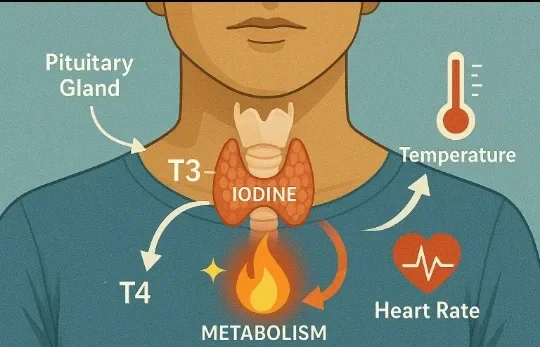
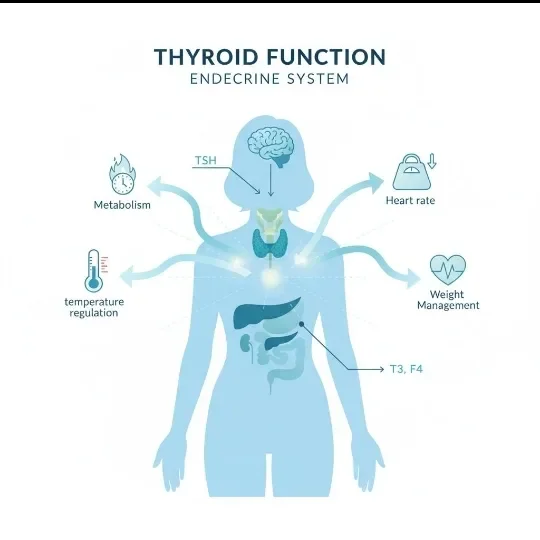
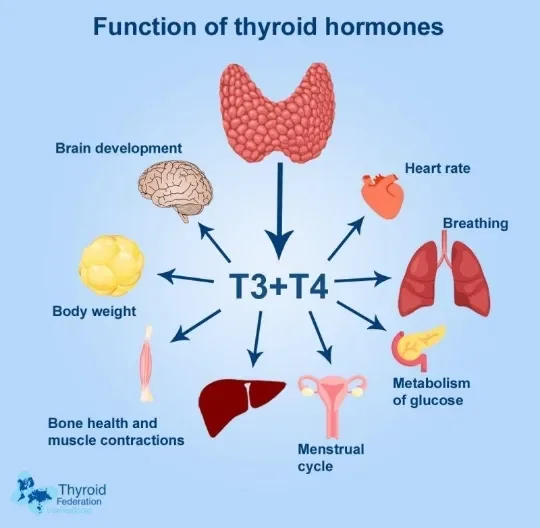
Thyroid hormones influence energy expenditure, body temperature, muscle function, the nervous system, and cardiac activity.
Therefore, relying solely on a scale or heart rate reading is insufficient for a diagnosis.
The true distinction lies in understanding the underlying cause and confirming it through appropriate medical tests."
1. Why can thyroid symptoms appear similar despite the different nature of the conditions?
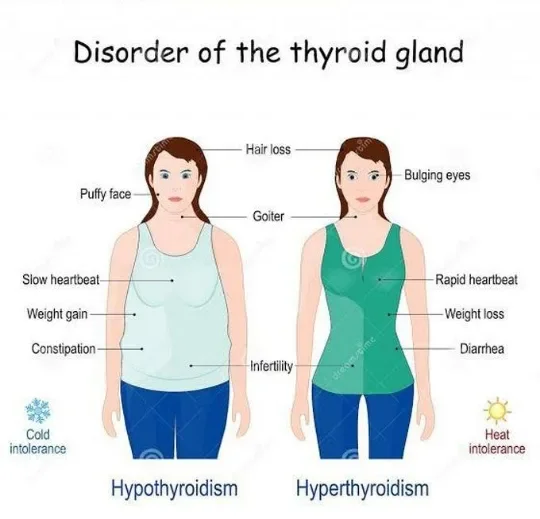
Thyroid hormones—primarily thyroxine (T4) and triiodothyronine (T3)—act as broad regulators of the body's vital processes. When hormone production drops in hypothyroidism, metabolic processes tend to slow down, leading to fatigue, varying degrees of weight gain, cold extremities, dry skin, constipation, and a slow heart rate. Conversely, hyperthyroidism drives the body in the opposite direction; Symptoms may include weight loss despite an increased appetite, rapid or irregular heartbeat, sweating, heat intolerance, tremors, anxiety, and difficulty sleeping.
However, fatigue, sleep disturbances, weight changes, and heart palpitations are not exclusive to thyroid conditions; therefore, the disease cannot be diagnosed based on symptoms alone. A recent review published in 2026 indicates that the relationship between thyroid disorders and weight is more complex than the common belief suggests—specifically, that all weight gain is caused by hypothyroidism or that all weight loss implies hyperthyroidism.
2. Causes of weight and pulse changes: From autoimmune issues to medications
The underlying mechanism varies depending on the type of thyroid disorder. Hashimoto’s disease is a leading cause of hypothyroidism, while Graves’ disease is the most common cause of hyperthyroidism. Hypothyroidism can also result from thyroid surgery, radiation therapy, certain medications, or pituitary gland disorders. Conversely, hyperthyroidism can stem from overactive thyroid nodules, thyroiditis, excessive iodine intake, or an overdose of thyroid hormone medication.
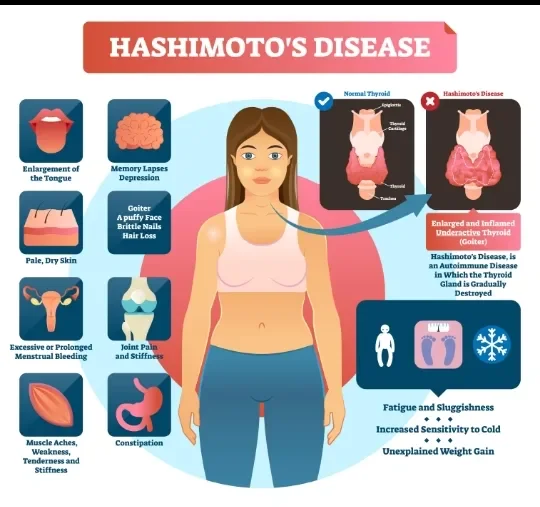
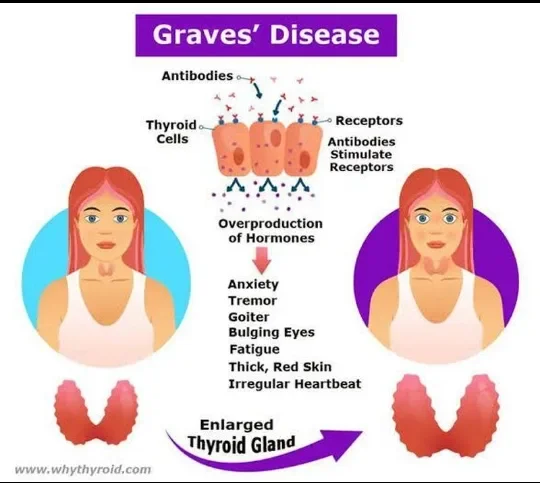
An important point to note here is that weight changes do not depend solely on hormones; they can also be influenced by appetite, muscle mass, fluid balance, activity levels, and the duration of the illness. In a recent analytical study published in 2026, treating hypothyroidism with levothyroxine and restoring hormone levels to the normal range resulted in a modest average weight reduction, rather than the significant weight loss some might expect. Furthermore, hyperthyroidism can directly affect the heart; elevated thyroid hormone levels are associated with an accelerated heart rate, arrhythmias, and an increase in certain cardiovascular risks.
3. How is the diagnosis confirmed? And why are pulse or weight measurements insufficient?
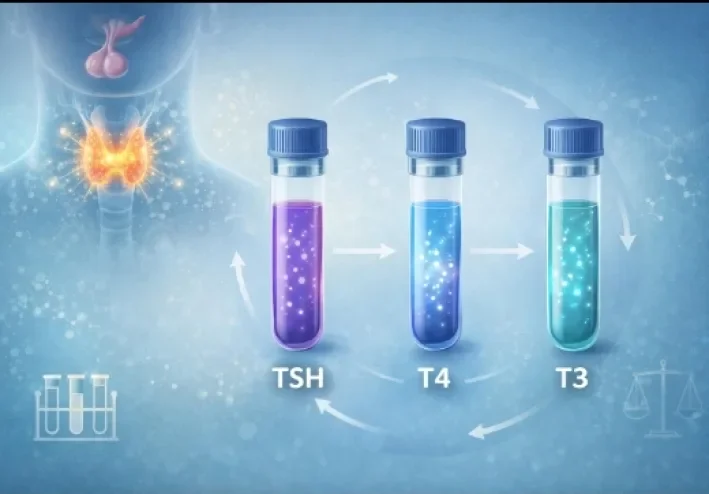
The most accurate approach begins with analyzing thyroid function rather than interpreting symptoms in isolation. Evaluation typically starts by measuring Thyroid-Stimulating Hormone (TSH), followed by Free T4; T3 levels may also be requested—particularly if hyperthyroidism is suspected—along with antibody tests if autoimmune conditions like Hashimoto’s or Graves’ disease are possibilities. Depending on the suspected cause, the physician may also require an ultrasound or other diagnostic tests.
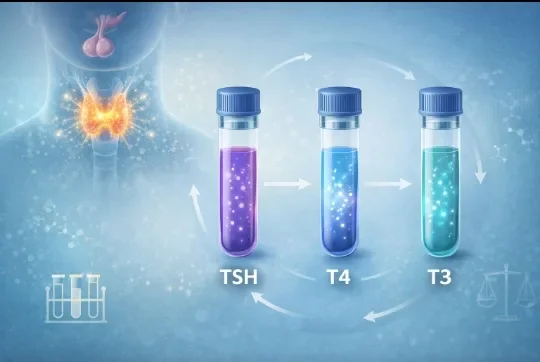
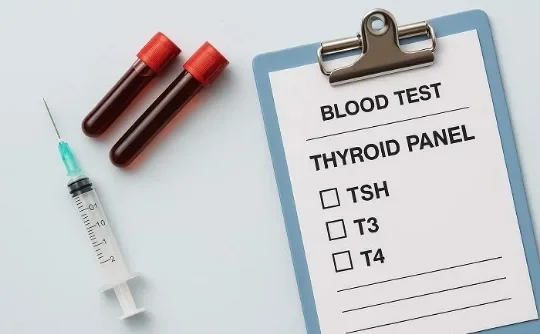
Medical sources confirm that elevated TSH combined with low Free T4 generally indicates primary hypothyroidism, whereas low TSH combined with high Free T4 points to hyperthyroidism. Regarding prevention, while there is no single method to prevent all thyroid disorders, the risk of delayed diagnosis can be reduced by avoiding the indiscriminate use of iodine supplements or thyroid hormones, reviewing medications that might affect thyroid function, and seeking medical follow-up if there is a relevant medical history or persistent symptoms. Furthermore, one should not ignore persistent heart palpitations, unintentional weight loss, or unexplained, significant changes in weight.
4. Latest treatment trends in 2026: Treatment is increasingly tailored to the underlying cause and the individual patient's condition.
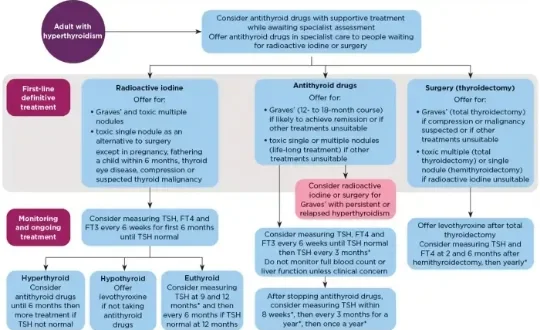
For hypothyroidism, levothyroxine remains the primary treatment for hormone replacement. Dosages are adjusted based on lab results and clinical status, rather than using the hormone for the purpose of weight loss. For hyperthyroidism, three main treatment pathways are available: antithyroid medications, radioactive iodine therapy, and surgery. Meanwhile, beta-blockers can be used to temporarily manage rapid heart rate, tremors, and certain other symptoms, though they do not treat the underlying excess hormone production itself. The focus of discussions in 2026 has shifted not toward the emergence of a single treatment that renders previous options obsolete, but rather toward selecting the appropriate therapy based on the underlying cause, patient age, presence of heart disease, pregnancy status, risk of relapse, and long-term effects. Recent studies have also examined the relationship between hyperthyroidism treatments and cardiac outcomes or mortality; however, as some of this data is observational, it is inappropriate to interpret a statistical association as a rule dictating that one specific
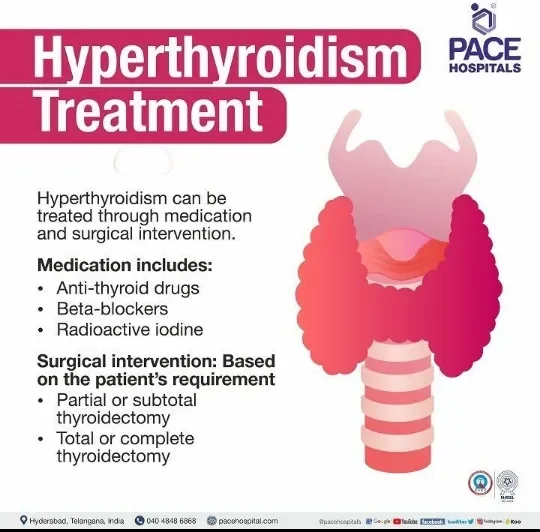 treatment is superior for all patients. Research is also ongoing into techniques such as radiofrequency ablation for specific hyperthyroidism-causing nodules, though this is not yet a universally available alternative for all cases.
5. Frequently Asked Questions:
When are changes in weight or heart rate linked to the thyroid?
Does every instance of weight gain indicate hypothyroidism? No. Weight gain has many causes; while hypothyroidism may contribute to it, it is not the automatic explanation for every case of weight gain.
Does weight loss indicate hyperthyroidism?
Not necessarily; unintentional weight loss can result from digestive, metabolic, or cardiac disorders, among other causes, and therefore requires evaluation if it persists.
Does a rapid heart rate indicate hyperthyroidism? That may be the case, but it can also result from heart rhythm disorders, anemia, certain medications, anxiety, dehydration, and other factors.
Will weight return to normal once the thyroid condition is treated?
Weight changes may occur after hormonal balance is restored; however, recent studies indicate that the amount of weight loss following treatment for hypothyroidism is usually modest. Therefore, thyroid hormone medication should not be used as a weight-loss method.
When should urgent medical evaluation be sought?
Seek medical attention if you experience severe or persistent heart palpitations, chest pain, shortness of breath, fainting, rapid and unexplained weight loss, or sudden, severe symptoms. Finally, do not adjust your thyroid hormone dosage, stop taking the medication, or use anti-thyroid drugs on your own; the goal is to restore hormone levels to an appropriate range while protecting the heart, bones, and other body systems. This article provides general information for awareness purposes and is not a substitute for professional medical diagnosis or treatment.
Clarification
This article provides general medical information for awareness and educational purposes regarding thyroid disorders and their potential impact on weight and heart rate; it is not a substitute for consulting a doctor or undergoing necessary medical tests. Symptoms, causes, and responses to treatment vary from person to person; therefore, one should not attempt to diagnose a condition or alter medications and dosages based solely on the information provided in this article.
Sources
https://www.niddk.nih.gov/health-information/diagnostic-tests/thyro
American Thyroid Association — Guidelines & Statements
https://www.thyroid.org/professionals/ata-professional-guidelines/
American Thyroid Association
References
National Institute of Diabetes and Digestive and Kidney Diseases. Hypothyroidism (Underactive Thyroid).
National Institute of Diabetes and Digestive and Kidney Diseases. Hyperthyroidism (Overactive Thyroid).
National Institute of Diabetes and Digestive and Kidney Diseases. Thyroid Tests
American Thyroid Association. ATA Guidelines & Statements
Wolde Sellasie S, Ossola N, Piticchio T, Uccioli L, Trimboli P. Levothyroxine therapy for euthyroidism restoration results in clinically insignificant weight and anthropometric changes: a systematic review and meta-analysis. International Journal of Obesity. 2026.
PubMed
Gatta E, Delbarba A, Vizzardi E, Rotondi M, Cappelli C. Differential association of hypothyroidism with cardiovascular events and cardiovascular mortality: a systematic review and meta-analysis. Endocrine. 2026;91(1).
PubMed
Kotwal A, Chindris AM, Desai K, et al. Thyroid Year-in-Review 2025-2026: Precision Medicine and De-escalation in Contemporary Thyroidology. Endocrine Practice. 2026.
PubMed
American Thyroid Association. Thyroid Hormone Treatment.
American Thyroid Association
American Thyroid Association. ATA Guidelines & Statements.
American Thyroid Association
تابع جديد Alkatp
اختر إشعارات الموقع أو البريد أو الاثنين. الزائر يقدر يشترك ببريده دون تسجيل حساب.
الإبلاغ عن المقال
لو لاحظت مشكلة في المحتوى، أرسلها لفريق المراجعة. لن تظهر بياناتك لكاتب المقال أو للقراء.
تعذّر إرسال البلاغ الآن. حاول مرة أخرى لاحقًا.
سجّل الدخول لإرسال بلاغ


النقاش
التعليقات (0)
فكرة تضيفها، أو سؤال يفتح حوارًا.
الرجاء تسجيل الدخول لتتمكن من التعليق