

في هذا المقال
Inherited Heart Diseases: Symptoms, Causes, Genetic Testing, Treatment, and Prevention of Complications
The heart may appear healthy, and a person’s life may seem normal for years, until an unexpected problem arises or a family member suffers a dangerous heart rhythm disorder without clear warning. In some cases, the issue is not linked solely to lifestyle but to genetic changes that can be passed down through the family, affecting the heart muscle, its electrical system, or the blood vessels. Consequently, family history can provide vital information that helps detect certain inherited heart diseases before symptoms manifest, offering the patient a better chance for monitoring and reducing the risk of complications.
1- What are inherited heart diseases, and how are they passed down within families?
Inherited heart diseases are a group of disorders linked to genetic changes that can affect the heart's structure or function. Prominent examples include hypertrophic cardiomyopathy, where the heart muscle becomes abnormally thick, and dilated cardiomyopathy, which can lead to the enlargement of the heart chambers and a weakened ability to pump blood. The group also includes certain heart rhythm disorders, such as Long QT syndrome, and specific aortic diseases that may increase the risk of aortic dilation or rupture. These conditions can be passed from parent to child, following inheritance patterns that vary depending on the specific disease and the gene involved. However, a family history does not necessarily mean that every individual will develop the condition; conversely, the absence of known cases in the family does not entirely rule it out, as a genetic mutation may appear for the first time in an individual, or relatives may not yet be showing symptoms.

2- Symptoms requiring attention, even if the person appears healthy
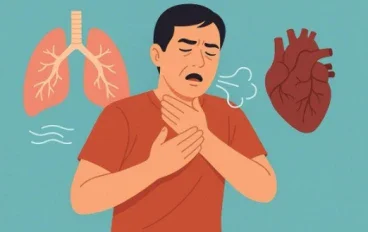
Symptoms of inherited heart diseases vary according to the type and severity of the disorder, and there may be no visible signs during the early stages. When symptoms do appear, they can include shortness of breath during exertion, chest pain, palpitations, dizziness, or fainting—particularly during or after physical exercise.
Unexplained sudden death at a young age, recurrent fainting, or a known family diagnosis of cardiomyopathy or an inherited heart rhythm disorder warrant special medical attention. However, these symptoms alone do not confirm a genetic cause, as they could result from other conditions requiring a different evaluation. Severe or persistent chest pain, sudden fainting, acute shortness of breath, or palpitations accompanied by severe dizziness require urgent medical assistance; one should not wait for a routine check-up when these occur.
3- How is the disease diagnosed? The role of tests and genetics
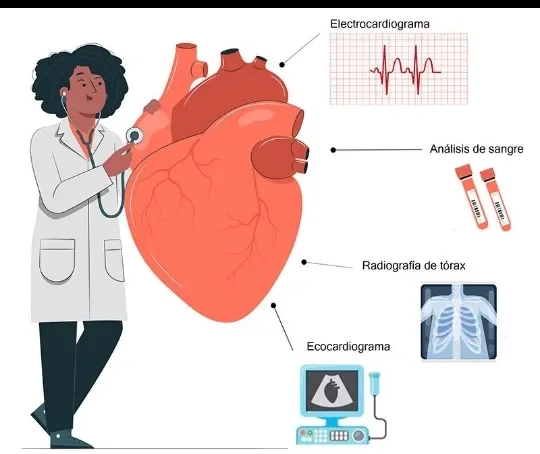
Evaluation typically begins with a review of personal and family medical history, including the ages at which relatives were diagnosed with heart disease and any instances of unexplained sudden death. The physician may order an electrocardiogram (ECG), an echocardiogram, and sometimes cardiac MRI or other tests, depending on the specific case. While these tests help detect changes in the heart muscle or electrical abnormalities, a single test does not necessarily identify every case. Genetic testing can be useful when a specific hereditary condition is suspected or when a known mutation has been identified in a family member.
Ideally, such testing is conducted as part of a specialized evaluation that includes an explanation of what the results mean for the patient and their relatives. A negative result does not rule out all hereditary conditions, nor does the discovery of a genetic variant of uncertain significance necessarily mean the individual has a confirmed disease. Therefore, interpreting results requires correlating them with symptoms, clinical tests, and family history.
4- Treatment and follow-up: Can complications be prevented?
Treatment depends on the type of disease and its impact on the heart; there is no single plan that suits every case. Some patients may require medications to manage symptoms or regulate heart rhythm, while others may need medical procedures or devices—such as an implantable defibrillator—if the physician’s assessment indicates a high risk of life-threatening heart rhythm disturbances. In specific cases, surgical interventions or other procedures may be used to treat structural heart problems. The doctor also determines the safe level of physical activity, as certain genetic conditions may carry increased risks during strenuous or competitive sports, whereas not every diagnosis requires complete abstention from physical activity. Regular follow-up is crucial even in the absence of
 symptoms, as the heart's condition can change over time, potentially necessitating repeat electrocardiograms (ECG), imaging, or other tests. Medications should not be stopped or adjusted, nor should strenuous activity be undertaken, based solely on feeling better.
5- Screening Family Members and Preventing Silent Risks
When a family member is diagnosed with a hereditary heart condition, the doctor may recommend screening first-degree relatives—such as parents, children, and siblings—depending on the specific condition and assessment results. Screening may involve ECGs and ultrasound imaging, or targeted genetic testing if the mutation responsible for the disease has been identified. The timing and frequency of these tests vary based on the diagnosis, age, and family history; therefore, there is no single rule that applies to all families. While inherited genetic changes cannot be prevented through diet or exercise, early
detection and adherence to follow-up and treatment can reduce the risk of certain complications. Furthermore, avoiding smoking, managing blood pressure, diabetes, and cholesterol levels, and maintaining a healthy weight remain beneficial for overall heart health, even if they do not directly treat the underlying genetic cause. Most importantly, family members should not go unevaluated simply because they feel well.
Frequently Asked Questions:
Can a person have a hereditary heart disease without showing symptoms?
Yes; some conditions may remain asymptomatic for years and are often discovered during family screenings or examinations performed for other reasons. This is why knowing one's family history is particularly important.
If a parent is affected, will the children inevitably develop the disease?
No. The likelihood of transmission depends on the specific disease, the gene involved, and the inheritance pattern. Some children may inherit the genetic mutation, yet the severity of the disease or the age at which symptoms appear can vary among them.
Are genetic tests alone sufficient to diagnose the disease?
Not always. Results must be interpreted alongside family history, medical examinations, electrocardiograms (ECG), and imaging studies when necessary. Some results may be inconclusive and do not necessarily confirm the presence of the disease.
Can one exercise with a hereditary heart disease?
It depends on the diagnosis, its severity, and the risk of cardiac rhythm disturbances. A physical activity plan should be developed in consultation with a cardiologist, rather than simply banning exercise for everyone or allowing strenuous exertion without prior assessment.
When should family members be screened?
Screening is recommended when a suspected hereditary heart disease is diagnosed, or if there is a family history of unexplained sudden death or early-onset heart disease. The physician will determine which relatives require screening and the appropriate timing for it.
Conclusion
Having a hereditary heart disease does not mean that serious complications will inevitably occur; however, ignoring family history could mean missing a crucial opportunity for early detection. Knowing the correct diagnosis, screening relatives when necessary, and adhering to medical follow-ups help assess risks and develop a personalized plan. If there is a family history of inherited heart disease or unexplained sudden death, it is advisable to discuss this with a cardiologist rather than waiting for symptoms to appear.
Medical Disclaimer:
This article is for educational and informational purposes only and is not a substitute for professional medical consultation or necessary diagnostic testing. Inherited heart conditions cannot be diagnosed based on symptoms alone, and decisions regarding treatment or exercise should not be made without a specialized medical evaluation.
Medical References
1. American Heart Association — Inherited Cardiovascular Disease:
[https://www.heart.org/en/health-topics/cardiomyopathy](https://www.heart.org/en/health-topics/cardiomyopathy)
2. NHS — Cardiomyopathy: [https://www.nhs.uk/conditions/cardiomyopathy/](https://www.nhs.uk/conditions/cardiomyopathy/)
3. MedlinePlus Genetics — Genetic Conditions: [https://medlineplus.gov/genetics/](https://medlineplus.gov/genetics/)
4. European Society of Cardiology — Clinical Practice Guidelines:
[https://www.escardio.org/Guidelines/Clinical-Practice-Guidelines](https://www.escardio.org/Guidelines/Clinical-Practice-Guidelines)
تابع جديد Alkatp
اختر إشعارات الموقع أو البريد أو الاثنين. الزائر يقدر يشترك ببريده دون تسجيل حساب.
الإبلاغ عن المقال
لو لاحظت مشكلة في المحتوى، أرسلها لفريق المراجعة. لن تظهر بياناتك لكاتب المقال أو للقراء.
تعذّر إرسال البلاغ الآن. حاول مرة أخرى لاحقًا.
سجّل الدخول لإرسال بلاغ




النقاش
التعليقات (0)
فكرة تضيفها، أو سؤال يفتح حوارًا.
الرجاء تسجيل الدخول لتتمكن من التعليق