

In this article

Personalized Cancer Vaccines and mRNA Technology
Cancer is one of the most challenging diseases in modern medicine because it is not just a disease but a large group of diseases that can behave very differently from one person to another.
Treatments such as surgery, chemotherapy, radiation therapy, targeted therapy, and immunotherapy have helped many patients, but some cancers are still difficult to treat and can return even after successful treatment , for this researchers are looking for treatments that are more specific to each patient's cancer.
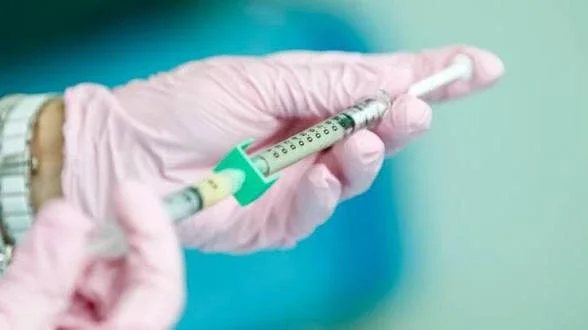
Personalized cancer vaccines are one of the most exciting approaches being studied in this area , unlike traditional vaccines, which are designed to prevent infections such as measles or influenza, cancer vaccines can be designed to help the immune system recognize and attack cancer cells that are already present in the body, the basic idea is to look closely at a patient's tumor and identify unusual genetic changes that are found in the cancer cells but not normally found in healthy cells.
These changes can produce protein fragments called neoantigens which are often unique to a particular tumor and they can provide useful targets for the immune system , scientists can use information about these targets to design a vaccine specifically for that patient.
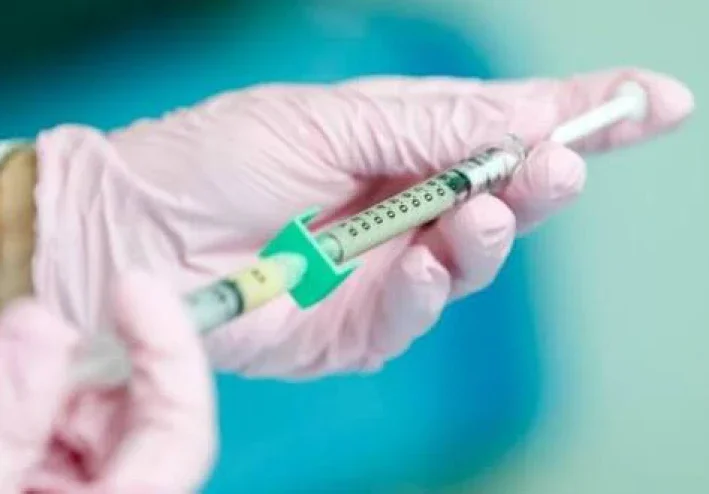
mRNA technology is naturally used by cells to carry instructions for making proteins. In a personalized cancer vaccine, scientists create synthetic mRNA that contains instructions for producing selected tumor-related antigens. After the vaccine is given, cells temporarily use those instructions to produce the antigens, which can then be shown to the immune system. This process can activate T cells, which are immune cells capable of recognizing and destroying cells carrying the target.
One of the advantages of mRNA is that it does not normally need to permanently change a person's DNA and is eventually broken down by the body.
Personalized cancer vaccines are still being researched and are not a universal cure for cancer, but early studies have shown that they can produce meaningful immune responses in some patients. Their development represents an important move toward precision medicine, where treatment is based not only on the type of cancer a person has but also on the unique molecular features of that individual's tumor.
Sources :
National Cancer Institute (NCI). Cancer Vaccines. https://www.cancer.gov/about-cancer/treatment/types/immunotherapy/cancer-vaccines
National Cancer Institute (NCI). Immunotherapy to Treat Cancer. https://www.cancer.gov/about-cancer/treatment/types/immunotherapy
Sahin, U. et al. (2017). Personalized RNA mutanome vaccines mobilize poly-specific therapeutic immunity against cancer. Nature, 547, 222–226. https://doi.org/10.1038/nature23003
Sahin, U. & Türeci, Ö. (2018). Personalized vaccines for cancer immunotherapy. Science, 359(6382), 1355–1360. https://doi.org/10.1126/science.aar7112
Keep up with Fares
Choose site notifications, email, or both. Guests can subscribe by email without an account.
Report this article
Tell our review team about a problem with this content. Your details will not be shown to the author or other readers.
Your report could not be sent. Please try again later.
Sign in to report an article




Discussion
comments (0)
Share a perspective. Start a thoughtful conversation.
please login to be able to comment