

In this article
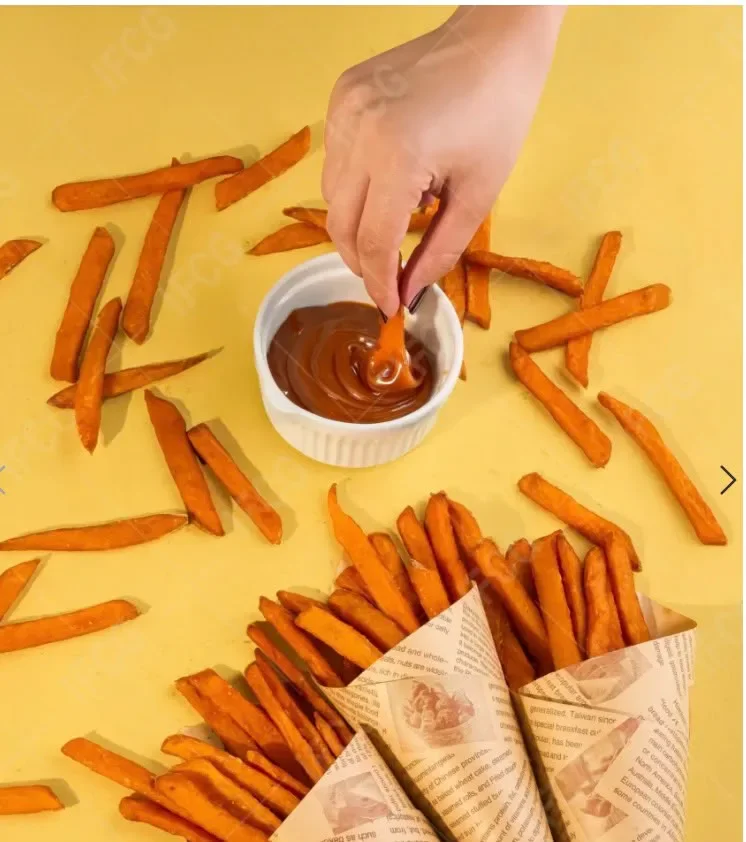
Sweet potatoes are available in a wide range of varieties, and each type can offer a different combination of sweetness, texture, colour and flavour. The variety you choose can make a noticeable difference depending on whether you are baking, roasting, mashing or preparing fries.
For consumers, personal preference is often the main factor when choosing a sweet potato. For restaurants, foodservice companies and food manufacturers, however, other characteristics such as consistency, firmness and processing performance can also be important.
For businesses sourcing frozen products, understanding the characteristics of different sweet potato varieties can also help when evaluating a frozen sweet potato fries supplier and selecting products that match their requirements.
What Determines the Sweetness of a Sweet Potato?
The sweetness of a sweet potato is influenced by several factors rather than variety alone. Growing conditions, maturity, storage and cooking methods can all affect the final flavour.
During cooking, heat can encourage the breakdown of starches and contribute to a sweeter taste. Baking and roasting are particularly effective at bringing out the natural sweetness of many varieties while also creating a more developed flavour.
Other factors that can influence the eating experience include:
- Natural sugar content
- Variety
- Growing conditions
- Maturity at harvest
- Storage conditions
- Moisture content
- Cooking method
This means that two sweet potatoes from different sources may not taste exactly the same, even when they belong to the same variety.
Sweet Potato Varieties Known for Their Sweet Flavour
Several varieties are commonly recognised for their naturally sweet flavour, although the exact taste can vary depending on cultivation and storage conditions.
Garnet is known for its deep orange-red flesh and rich flavour. It generally develops a soft texture when cooked, making it suitable for baking, roasting and other preparations.
Beauregard is another widely used orange-fleshed variety. It offers a naturally sweet flavour and versatile cooking characteristics, making it suitable for a range of recipes.
Covington is appreciated for its sweetness and smooth texture. It can work particularly well in baked and roasted dishes.
Jewel is another orange-fleshed option often used for cooking. Its relatively soft texture and sweet flavour make it suitable for several traditional preparations.
Japanese sweet potatoes are different from many orange-fleshed varieties. They typically have a firmer, starchier texture combined with a naturally sweet taste.
Purple sweet potatoes are recognised more for their distinctive colour and unique flavour than for being among the sweetest varieties. They can be an interesting option for recipes where appearance is an important consideration.
Rather than choosing a variety simply because it is considered sweet, it is useful to consider how its flavour and texture fit the intended recipe.
Sweetness Is Only One Part of Flavour
When choosing a sweet potato, sweetness should not be considered separately from texture and overall flavour.
Some varieties become soft and creamy when cooked, while others remain relatively firm and starchy. The preferred texture often depends on how the product will be prepared.
When comparing varieties, consider:
- Level of natural sweetness
- Moisture content
- Texture after cooking
- Firmness
- Overall flavour
- Cooking performance
For example, someone preparing mashed sweet potatoes may prefer a soft and creamy variety, while someone making fries may be more interested in firmness and moisture balance.
For commercial food production, consistency is particularly important. Variations in raw material characteristics can affect processing, cooking results and the appearance of the final product.
Choosing a Variety for Different Cooking Methods
The same sweet potato variety may perform differently depending on the cooking method. Therefore, the best option depends partly on the final dish.
Baking
Sweet varieties with a soft texture can work well for baking. The prolonged exposure to heat allows natural flavours to develop and can enhance caramelised notes.
Roasting
Roasting can intensify the natural flavour of sweet potatoes. Varieties with good moisture and natural sweetness can develop a rich taste and appealing surface during cooking.
Mashed Sweet Potatoes
For mashed dishes, varieties that become soft and creamy are generally easier to work with. Their texture can create a smooth finished product without requiring extensive preparation.
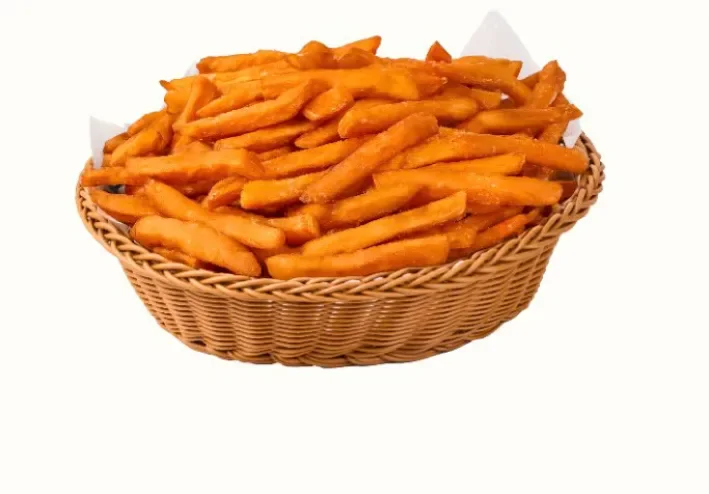
Sweet Potato Fries
Fries require a different balance of characteristics. Firmness, moisture, starch content, shape and consistency can all influence the final result.
For this reason, the sweetest variety is not automatically the most suitable choice for producing fries.
What Makes a Good Sweet Potato for Frozen Fries?
When sweet potatoes are processed into frozen fries, manufacturers need to consider several characteristics beyond flavour.
Important factors may include:
- Consistent raw material
- Suitable size and shape
- Firm texture
- Appropriate moisture levels
- Colour consistency
- Cutting performance
- Frying performance
- Freezing stability
- Consistent cooking results
The raw material needs to perform well throughout the production process. A sweet potato with excellent flavour but unsuitable size, texture or processing characteristics may not be ideal for commercial fry production.
For restaurants, distributors and foodservice companies, consistency between shipments is also important. Stable product specifications can make it easier to plan menus, manage preparation and maintain a consistent customer experience.
How Businesses Should Evaluate Sweet Potato Products
For commercial buyers, choosing a product should involve more than tasting a single sample. Businesses should consider whether the product can meet their requirements consistently over time.
Before placing a larger order, buyers may want to review:
- Product specifications
- Available cuts and sizes
- Packaging formats
- Processing standards
- Storage requirements
- Shelf life
- Production capacity
- Supply consistency
- Export capabilities
Samples can also provide useful information about appearance, texture, flavour and cooking performance before a long-term purchasing decision is made.
Working with an experienced supplier can simplify this process by giving buyers clearer information about product specifications and available formats.
How to Choose the Right Sweet Potato for Your Needs
There is no single variety that will be the perfect choice for every consumer or business.
If your priority is natural sweetness, orange-fleshed varieties such as Garnet, Beauregard and Covington may be worth considering.
If you prefer a firmer and starchier texture, Japanese sweet potatoes may offer characteristics that better match your preference.
If colour and visual presentation are important, purple varieties can provide a distinctive alternative.
For commercial processing, however, sweetness should be evaluated alongside size, texture, moisture, consistency and processing performance.
The right choice ultimately depends on what you want to achieve with the finished product.
Conclusion
The taste of a sweet potato is influenced by more than its variety. Sweetness, texture, moisture, growing conditions, maturity, storage and cooking methods can all contribute to the final eating experience.
Garnet, Beauregard and Covington are popular choices for those who enjoy naturally sweet flavours, while Japanese and purple varieties offer different combinations of texture, colour and taste.
For businesses sourcing frozen sweet potato products, evaluating processing characteristics and product consistency is just as important as considering flavour. Working with an experienced frozen sweet potato fries supplier can help buyers identify products that meet their quality, processing and supply requirements.
By considering the intended application first, businesses and consumers can select sweet potato varieties that provide the right balance of flavour, texture and performance.
Keep up with Mai Youssef
Choose site notifications, email, or both. Guests can subscribe by email without an account.
Report this article
Tell our review team about a problem with this content. Your details will not be shown to the author or other readers.
Your report could not be sent. Please try again later.
Sign in to report an article







Discussion
comments (0)
Share a perspective. Start a thoughtful conversation.
please login to be able to comment