
In this article
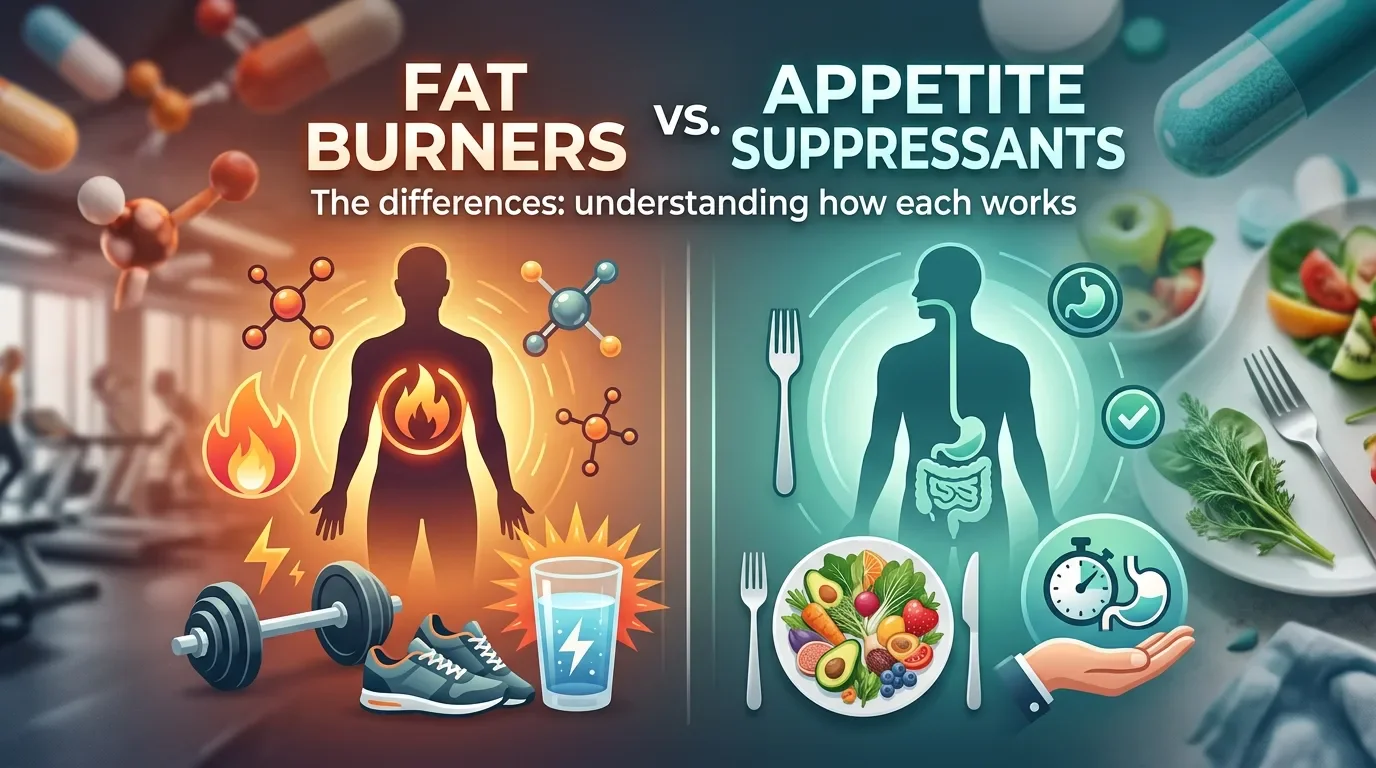
Losing weight can be challenging, especially when hunger, food cravings, and slow progress make it difficult to maintain healthy habits. As a result, many people explore weight loss medications, fat burners, and appetite suppressants to understand which options may help them manage their weight.
However, these products do not all work the same way. Some prescription medications reduce the amount of fat absorbed from food, while others influence appetite and feelings of fullness. Many products marketed as fat burners are dietary supplements with limited evidence of meaningful weight loss.
Understanding these differences can help consumers make informed decisions and recognize why medical supervision matters when considering weight loss treatment.
What Is the Difference Between Fat Burners and Appetite Suppressants?
Fat burners and appetite suppressants are often grouped together in weight loss marketing, but the terms describe different approaches.
Fat burners generally refers to products intended to increase energy expenditure, influence metabolism, or help reduce fat absorption. The term is widely used in supplement marketing and does not necessarily mean that a product is an approved or proven weight loss treatment.
Appetite suppressants are substances or medications that reduce hunger, food cravings, or the desire to eat. Some prescription medications also help people feel full sooner or remain satisfied longer after meals.
According to the National Institute of Diabetes and Digestive and Kidney Diseases (NIDDK), prescription weight management medications work in different ways. Some affect appetite and fullness, while others reduce the absorption of dietary fat.
The important distinction is that reducing fat absorption is not the same as directly burning stored body fat. Likewise, feeling less hungry does not automatically guarantee weight loss unless overall energy intake and other relevant factors support it.
1. Medications That Reduce Fat Absorption
Orlistat (Xenical and Alli)
Orlistat is one of the clearest examples of a weight loss medication that affects dietary fat absorption rather than primarily suppressing appetite.
It works in the digestive tract by inhibiting enzymes called lipases, which help break down fat in food. As a result, some of the dietary fat passes through the digestive system without being absorbed.
Orlistat is available as prescription Xenical and, in the United States, as lower-dose over-the-counter Alli. Availability and eligibility depend on the specific product and its labeling.
How it may help with weight loss
Because some dietary fat is not absorbed, orlistat can help reduce the calories the body obtains from food. It is intended to be used alongside a reduced-calorie eating plan, not as a replacement for healthy dietary habits.
It does not directly dissolve fat stored around the abdomen, and its effect depends partly on what a person eats.
Potential side effects
Common digestive effects include oily stools, gas with discharge, increased bowel movements, and difficulty controlling bowel movements. These effects can be more noticeable after meals containing a large amount of fat.
Orlistat can also reduce the absorption of certain fat-soluble vitamins and may interact with some medications. A healthcare professional or pharmacist can explain precautions and whether vitamin supplementation is appropriate.
People with certain digestive conditions or other medical concerns may not be suitable candidates.
For more information, consult the NIDDK guide to prescription weight loss medications.
2. Medications That Help Reduce Appetite and Increase Fullness
Some prescription weight loss medications act on biological pathways involved in hunger, food intake, and satiety. They may help eligible patients feel satisfied sooner, experience less hunger, or find it easier to eat smaller portions.
Semaglutide (Wegovy)
Semaglutide is a medication that mimics a hormone called glucagon-like peptide-1, or GLP-1. This hormone participates in regulating appetite and food intake.
Wegovy is an FDA-approved prescription treatment for eligible patients with obesity or overweight accompanied by certain weight-related health conditions. Its approved uses and formulations should be checked against the current FDA labeling.
How it supports weight management
Semaglutide acts on pathways involved in appetite regulation and can help reduce food intake. It also slows stomach emptying, particularly during treatment, which may contribute to a feeling of fullness.
Clinical studies have found meaningful average weight loss in eligible participants using semaglutide alongside lifestyle interventions. However, individual results vary, and trial averages should not be interpreted as a promise of a particular outcome.
Possible side effects and risks
Common side effects include nausea, vomiting, diarrhea, constipation, and abdominal discomfort. More serious complications can occur, and suitability depends on a person's medical history and the medication's warnings.
Wegovy should not be confused with Ozempic, a semaglutide product approved for type 2 diabetes and certain other indications. Products containing the same active ingredient can have different approved uses, doses, and instructions.
Official information is available through the FDA.
Tirzepatide (Zepbound)
Tirzepatide acts on two hormone receptors: GIP and GLP-1. These pathways help regulate appetite and food intake, among other metabolic functions.
Zepbound is an FDA-approved prescription medication for eligible adults with obesity, or overweight with certain weight-related health conditions, under its approved labeling. Tirzepatide is also marketed as Mounjaro for type 2 diabetes; the products have distinct approved indications.
How it may help
By affecting appetite-related signaling, tirzepatide can help some people feel full sooner and reduce food intake. Clinical trials have demonstrated substantial average weight loss among participants receiving the medication with lifestyle interventions.
Results depend on factors such as the treatment used, duration, adherence, and individual response. Comparing trial results across different medications requires caution because studies may use different designs and populations.
Possible side effects
Digestive symptoms, including nausea, diarrhea, vomiting, constipation, and abdominal discomfort, are among the commonly reported adverse effects. The medication also has important warnings and may not be appropriate for everyone.
Patients should review the official prescribing information and discuss personal risks with a healthcare professional before starting treatment.
Liraglutide (Saxenda)
Liraglutide is another GLP-1 receptor agonist used for chronic weight management in eligible patients. Unlike the once-weekly injectable formulations of Wegovy and Zepbound, Saxenda is administered daily according to its prescribing instructions.
It affects appetite regulation and food intake, helping some patients feel satisfied with smaller amounts of food.
Its benefits, potential side effects, eligibility requirements, and monitoring needs should be reviewed with a qualified healthcare professional. Like other prescription weight management treatments, it is intended to complement—not replace—nutrition and physical activity changes.
3. Other Prescription Appetite-Suppressing Medications
Not all appetite-related weight loss medications work through GLP-1 pathways.
Phentermine
Phentermine is a prescription medication that acts on the central nervous system to reduce appetite. In the United States, it is generally approved for short-term use, and it is not appropriate for everyone.
Potential adverse effects include increased heart rate, elevated blood pressure, difficulty sleeping, nervousness, and dry mouth. It can carry additional risks for people with certain cardiovascular conditions or other medical issues.
It should be used only under appropriate medical supervision. It is not equivalent to an ordinary over-the-counter fat burner.
Phentermine/Topiramate (Qsymia)
Qsymia combines phentermine with topiramate in a prescription treatment approved for chronic weight management in eligible patients.
The combination can help reduce appetite and food intake. However, it has important safety considerations, including risks related to pregnancy, mood or cognitive effects, and certain medical conditions. Pregnancy-related precautions are particularly important because of the risk of birth defects.
A healthcare professional must determine whether this treatment is appropriate and explain the required precautions.
Naltrexone/Bupropion (Contrave)
Contrave combines two medications that affect pathways involved in appetite regulation and reward-related eating behavior.
It may help some eligible adults reduce food intake, but it is not suitable for everyone. Important restrictions include uncontrolled high blood pressure, seizure disorders, certain eating disorders, and use of opioid medications.
Because bupropion can increase seizure risk and the combination has other significant precautions, it requires medical assessment and monitoring.
The NIDDK prescription medication guide provides a useful overview of these medication classes and their restrictions.
4. Do Over-the-Counter Fat Burners Really Work?
Many products sold online or in supplement stores claim to burn fat, speed up metabolism, block carbohydrates, or suppress appetite. They may contain caffeine, plant extracts, fiber, or combinations of several ingredients.
However, a product marketed as a fat burner is not automatically proven safe or effective.
The U.S. National Center for Complementary and Integrative Health reports that many weight loss supplements have not been shown to produce meaningful weight loss. Some have uncertain safety profiles, and certain products marketed for weight loss have been found to contain hidden drug ingredients.
Examples of ingredients used in weight loss supplements include:
Caffeine: May temporarily increase alertness and energy expenditure, but it can also cause nervousness, sleep problems, a rapid heartbeat, or other adverse effects.
Green tea extracts: Evidence does not establish that these supplements produce meaningful weight loss. Concentrated extracts can also raise safety concerns.
Bitter orange: It is promoted for weight management, but reliable evidence of meaningful benefit is lacking, and cardiovascular effects are a concern.
Acai products: Claims about substantial weight loss are not supported by convincing evidence.
The effectiveness and risks of a supplement depend on its ingredients, amounts, product quality, and interactions with other substances. Evidence about one ingredient cannot automatically be applied to every product containing it.
Before using a weight loss supplement, consumers should review the available evidence and discuss potential interactions with a healthcare professional or pharmacist.
For a detailed overview, see the National Center for Complementary and Integrative Health's guidance on weight loss supplements and the NIH Office of Dietary Supplements fact sheet.
5. Which Approach Is More Effective: Fat Reduction or Appetite Control?
There is no single answer for everyone. The appropriate treatment depends on a person's health, weight-related risks, medical history, preferences, and response to treatment.
| Approach | Main mechanism | Important consideration |
|---|---|---|
| Orlistat | Reduces absorption of some dietary fat | Digestive effects and vitamin absorption |
| GLP-1 medications | Affect appetite and food intake | Prescription assessment and monitoring |
| Tirzepatide | Acts on GIP and GLP-1 pathways | Important warnings and individual suitability |
| Other appetite medications | Affect central nervous system or appetite-related pathways | Eligibility, interactions, and medication-specific risks |
| Commercial fat burner supplements | Vary by ingredient | Evidence and product safety can be limited |
These options should not be ranked solely by marketing claims or by comparing weight loss figures from unrelated studies. Prescription clinical trials and supplement studies may differ substantially in quality, duration, and participants.
Some patients may benefit from a prescription medication as part of a broader treatment plan. Others may not need medication or may have medical reasons to avoid a particular drug.
6. Who May Qualify for Prescription Weight Loss Medication?
In the United States, clinicians commonly consider prescription weight management medication for adults with:
A body mass index (BMI) of 30 or higher; or
A BMI of 27 or higher with at least one weight-related health condition, such as high blood pressure or type 2 diabetes.
These are general eligibility criteria, not a guarantee that a particular medication is suitable. Specific indications differ by drug, and some treatments have additional requirements.
A healthcare professional considers medical history, other medications, potential benefits and risks, and the patient's treatment goals before recommending a medication.
Weight loss medications are generally not used during pregnancy. Anyone who is pregnant, planning pregnancy, or breastfeeding should discuss weight management options with a healthcare professional.
Read the NIDDK's official guidance on prescription weight loss medications for more information.
7. Can Weight Loss Medications Work Without Diet and Exercise?
Prescription weight loss medications are generally most effective when combined with a comprehensive lifestyle plan that supports healthy eating, physical activity, and sustainable behavior changes.
Medication may help reduce hunger or make smaller portions easier to manage, but it does not eliminate the need for adequate nutrition or other health habits. Likewise, a medication that reduces fat absorption does not make the overall quality of a person's diet irrelevant.
Treatment plans should be realistic and tailored to the individual's health needs. Healthcare professionals may also monitor progress, side effects, and whether a treatment continues to provide sufficient benefit.
Weight management is often a long-term process. Some people regain weight after stopping medication, so the plan for maintaining progress should be discussed before treatment changes are made.
Frequently Asked Questions
Do fat burners actually burn stored body fat?
The term “fat burner” is often used in marketing and does not describe one specific medical mechanism. Some substances may affect energy expenditure, but many commercial supplements have not been shown to produce meaningful weight loss. Orlistat, by contrast, reduces the absorption of some dietary fat rather than directly burning stored body fat.
Which medications help people feel full sooner?
Certain prescription medications, including semaglutide, liraglutide, and tirzepatide, affect pathways involved in appetite and food intake. Other prescription treatments, such as phentermine/topiramate, can also reduce appetite through different mechanisms. The appropriate option depends on individual eligibility and medical assessment.
Are prescription medications safer than over-the-counter fat burners?
Prescription medications have defined indications, standardized formulations, clinical evidence, and official prescribing information. They can still cause significant side effects and are not automatically safe for every person. Over-the-counter supplements may have limited evidence, variable formulations, and potential interactions or contamination risks. Each product must be assessed on its own merits.
Can I combine a fat burner with a prescription weight loss medication?
Combining products without medical guidance can increase the risk of side effects and interactions. Stimulants such as caffeine may be especially concerning for some people taking medications that affect heart rate or blood pressure. Consult a healthcare professional or pharmacist before combining prescription drugs with supplements.
What should I consider before choosing a weight loss medication?
Consider the strength of the evidence, the medication's approved uses, possible side effects, contraindications, interactions, cost, and the need for ongoing treatment. A clinician can help determine whether medication is appropriate and explain alternatives.
Conclusion
Fat burners and appetite suppressants are not interchangeable. Orlistat reduces the absorption of some dietary fat, while several prescription medications affect appetite and feelings of fullness. Other prescription treatments reduce appetite through different pathways, and many commercial fat burner supplements lack convincing evidence of meaningful weight loss.
The most appropriate option depends on individual health needs, the evidence supporting the treatment, and its potential risks. Rather than relying on rapid-weight-loss promises, consumers should seek reliable medical information and discuss treatment choices with a qualified healthcare professional.
Medical disclaimer: This article is for general educational purposes only and is not a substitute for professional medical advice, diagnosis, or treatment. Medication approvals and labeling can change. Never start, stop, combine, or change the dose of a prescription medication based solely on this article.
Sources
National Institute of Diabetes and Digestive and Kidney Diseases (NIDDK). Prescription Medications to Treat Overweight & Obesity.
National Center for Complementary and Integrative Health (NCCIH). 6 Things To Know About Dietary Supplements Marketed for Weight Loss.
National Institutes of Health, Office of Dietary Supplements. Dietary Supplements for Weight Loss: Fact Sheet for Consumers.
U.S. Food and Drug Administration (FDA). Drugs@FDA: FDA-Approved Drugs.
Keep up with mohmed nader
Choose site notifications, email, or both. Guests can subscribe by email without an account.
Report this article
Tell our review team about a problem with this content. Your details will not be shown to the author or other readers.
Your report could not be sent. Please try again later.
Sign in to report an article








Discussion
comments (0)
Share a perspective. Start a thoughtful conversation.
please login to be able to comment