

في هذا المقال
The Science Behind How Food Turns into Fuel
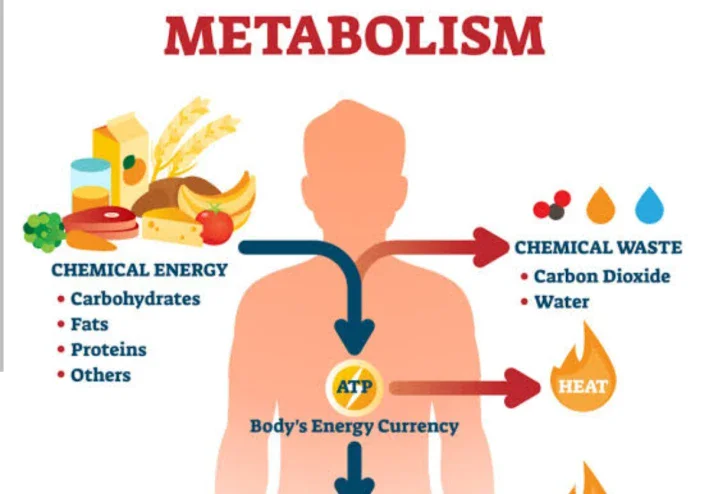
Have you ever stopped to think about what actually happens after you take that last bite of food? Whether it's a bowl of pasta or a handful of almonds, your body doesn't see "meals"—it sees fuel molecules. The human metabolism is a remarkably clever system designed to run on whatever energy source is available, while carefully saving any extra for a rainy day. Understanding how this internal factory processes carbs and fats completely changes how you approach everyday nutrition.
1. Carbohydrates: The Immediate Energy Source
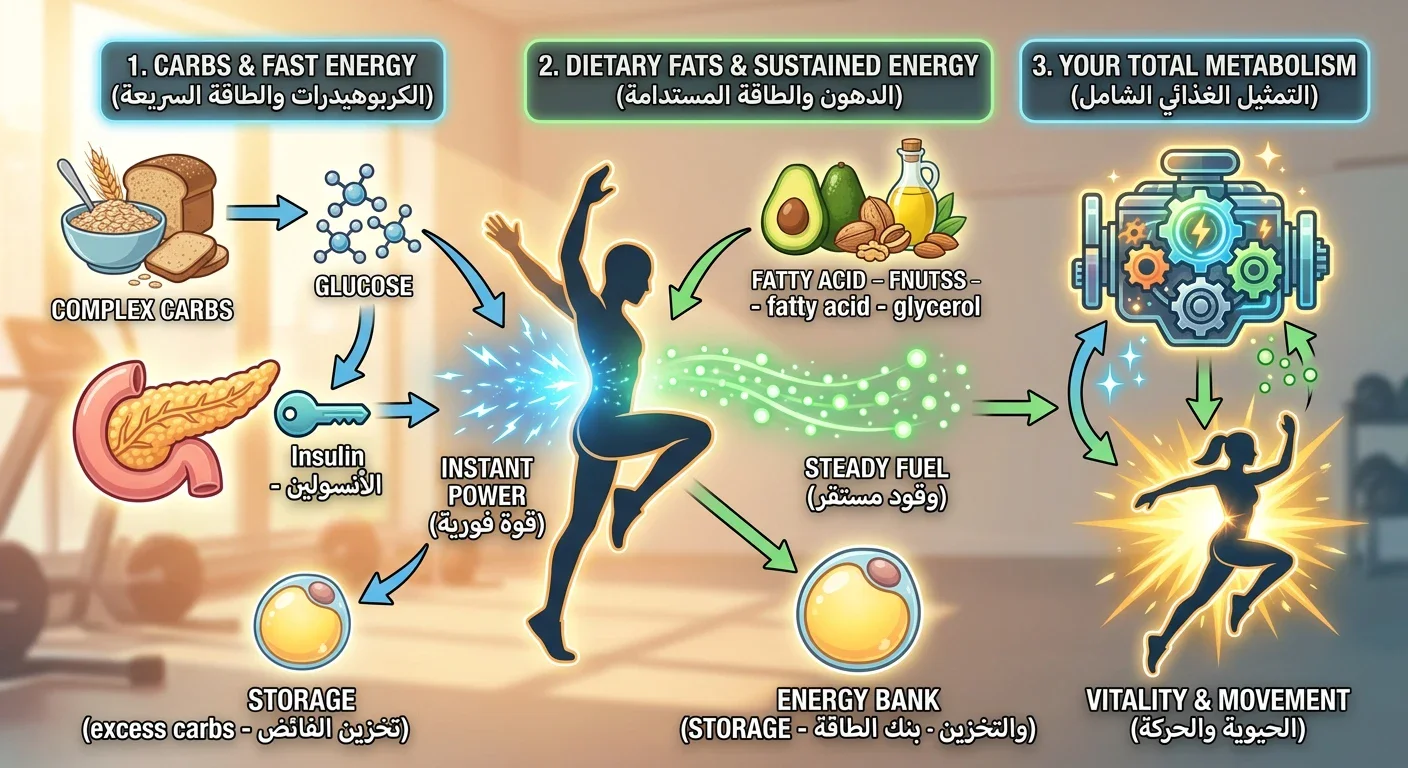
Carbohydrates are your body’s go-to option when it needs quick fuel. Once you eat foods like rice, bread, or fruits, your digestive tract breaks them down into glucose, which quickly enters the bloodstream.
To handle this surge in blood sugar, your pancreas secretes insulin. Think of insulin as a key: it signals your cells to open up and take in glucose so your brain, muscles, and organs can use it right away for daily tasks and movement.
*(Source: [Mayo Clinic - Carbohydrates in a Healthy Diet](https://www.mayoclinic.org/healthy-lifestyle/nutrition-and-healthy-eating/in-depth/carbohydrates/art-20045705))*
2. What Happens to Surplus Carbs?
Your bloodstream can only hold a small amount of glucose at any given time. When you consume more carbs than your body immediately needs, it routes the extra glucose through two distinct storage phases:
Glycogen Storage:** Glucose is first converted into glycogen and packed away in your liver and muscles. Liver glycogen keeps your blood sugar steady throughout the day, while muscle glycogen is reserved for intense physical exertion.
Fat Conversion:** Because glycogen reserves are relatively small, any additional surplus that exceeds this storage limit goes through a process called *de novo lipogenesis*. The body converts those extra sugars into triglycerides, which are then stored in fat tissues.
(Source: [Harvard Health - Fat](https://www.health.harvard.edu/healthy-aging-and-longevity/a-healthier-way-to-look-at-body-fat)
3. Dietary Fats: Steady Fuel and Long-Term Reserves
Dietary fats—found in olive oil, nuts, avocados, and fatty fish—take a completely different biochemical route. Instead of causing sharp insulin spikes, fats are digested gradually into fatty acids and glycerol.
This slow breakdown offers a long-lasting, steady supply of energy and keeps you feeling satisfied for longer. Fatty acids that aren't immediately required for cell membrane repairs, hormone production, or aerobic activity head directly to fat cells (*adipocytes*). These cells act like a flexible storage bank, expanding whenever energy input outweighs daily output.
*(Source: [Harvard Health - ))Fats](https://www.health.harvard.edu/healthy-aging-and-longevity/know-the-facts-about-fats))
4. How Your Body Switches Between Burning Carbs and Fat
Your metabolism isn't fixed; it adjusts based on your feeding status. Right after a meal, high insulin levels encourage your cells to burn glucose first. However, as hours pass between meals, during overnight sleep, or through exercise, insulin levels drop naturally. This shift tells your body to tap into stored fat, releasing fatty acids back into the stream to be burned as fuel.
Health Disclaimer:
This article is for informational and educational purposes only and is not intended as medical or nutritional advice. Always consult a qualified healthcare provider regarding your individual health and dietary needs.
Conclusion: The Bigger Picture
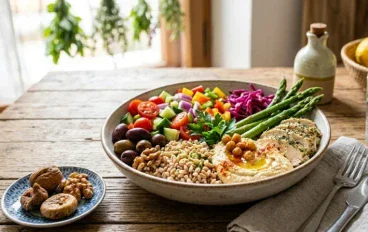
Neither carbohydrates nor fats are the enemy. Both play vital roles in keeping your body energized and functioning at its best. Successful nutrition isn't about cutting out whole nutrient categories, but about finding a balance that allows your body to burn fuel efficiently without constantly storing excess energy.
تابع جديد Rana Ebrahim
اختر إشعارات الموقع أو البريد أو الاثنين. الزائر يقدر يشترك ببريده دون تسجيل حساب.
الإبلاغ عن المقال
لو لاحظت مشكلة في المحتوى، أرسلها لفريق المراجعة. لن تظهر بياناتك لكاتب المقال أو للقراء.
تعذّر إرسال البلاغ الآن. حاول مرة أخرى لاحقًا.
سجّل الدخول لإرسال بلاغ





النقاش
التعليقات (0)
فكرة تضيفها، أو سؤال يفتح حوارًا.
الرجاء تسجيل الدخول لتتمكن من التعليق