


في هذا المقال
Breastfeeding and the benefits of breast milk for baby and mother: Modern medical insights (2026)
After childbirth, breastfeeding might seem like a simple matter: a hungry baby, a breast producing milk, and a bond that feels instinctive from the very first moment. Yet, beneath this serene scene lies a complex biological process. Breast milk is not a static, unchanging food source; its composition shifts alongside the stages of lactation and the baby's growth. It delivers nutrients and immune-boosting components that support the infant during a critical period when their immune system is still developing.
The World Health Organization (WHO) and UNICEF recommend initiating breastfeeding within the first hour after birth, practicing exclusive breastfeeding for the first six months, and then introducing appropriate complementary foods while continuing breastfeeding up to the age of two or beyond. The American Academy of Pediatrics (AAP) echoes these recommendations, advocating for exclusive breastfeeding initially and continued breastfeeding alongside complementary foods for as long as both mother and baby desire.
However, the question that truly matters to a mother is not merely, "Is breastfeeding beneficial?" but rather: What exactly does the baby receive? What are the benefits for the mother? And at what point should breastfeeding difficulties prompt a visit to a medical professional, rather than relying solely on advice from relatives?
1. Breast milk is not a static food; It Adapts to the Child's Needs
Breast milk contains the nutrients an infant requires, alongside vital immune-related components. Medical sources indicate that the milk's composition changes as the child grows; therefore, it cannot be viewed as a static formula remaining constant from day one through the end of the breastfeeding period. The Centers for Disease Control and Prevention (CDC) explain that breast milk provides appropriate nutrition for most infants and that its composition shifts with the child's growth to meet their nutritional needs.
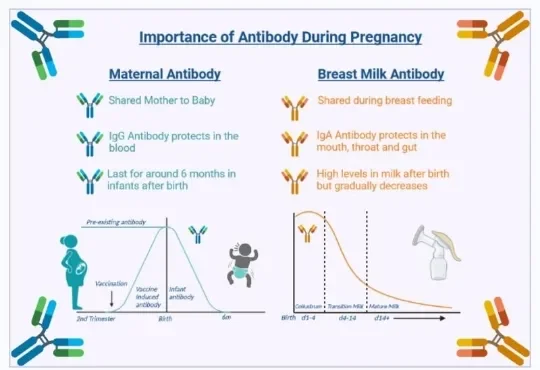
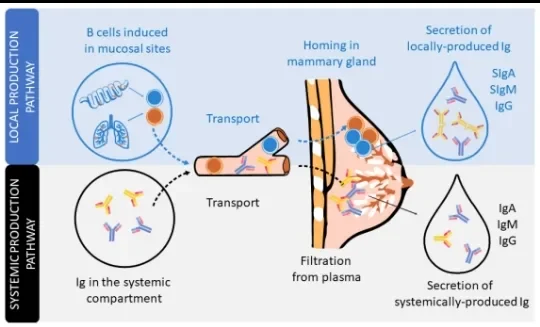
One of the most significant aspects is the presence of antibodies and other components linked to immune defense. The World Health Organization (WHO) notes that breast milk contains antibodies that help prevent various common childhood illnesses, while medical sources indicate that these components support the development of the infant's immune system.
Consequently, the value of breastfeeding lies not merely in the quantity of milk the child consumes, but also in the specific composition of that milk. While the act may seem simple to a mother holding her child during the night, her body is working in the background through a precise system that integrates nutrition, immunity, and growth into a single process.
A systematic review published in the journal *Pediatrics* in 2025—encompassing 29 systematic reviews and 145 original studies—indicates a link between increased breastfeeding and a reduced risk of various health issues in children. These include certain respiratory and digestive tract infections and middle ear infections, among other health outcomes. At the same time, researchers cautioned that a significant portion of the evidence relies on observational studies; therefore, these associations should be interpreted with care rather than being treated as absolute therapeutic guarantees. This point is important because robust medical evidence does not claim that a breastfed child will never get sick, nor does it present breastfeeding as a guarantee of perfect health. A more accurate perspective is that breastfeeding is associated with a range of health benefits, and that human milk provides valuable nutritional and immunological components during early life.
2. What does the evidence say about a child's health in relation to breastfeeding?
The importance of breastfeeding becomes clearer when examining specific health outcomes studied in research, rather than relying on general statements about the "benefits of milk." A recent systematic review published in 2025 found links between breastfeeding and a reduced risk of certain respiratory and gastrointestinal infections, as well as middle ear infections; it also identified associations with other outcomes, such as obesity and specific childhood health conditions.
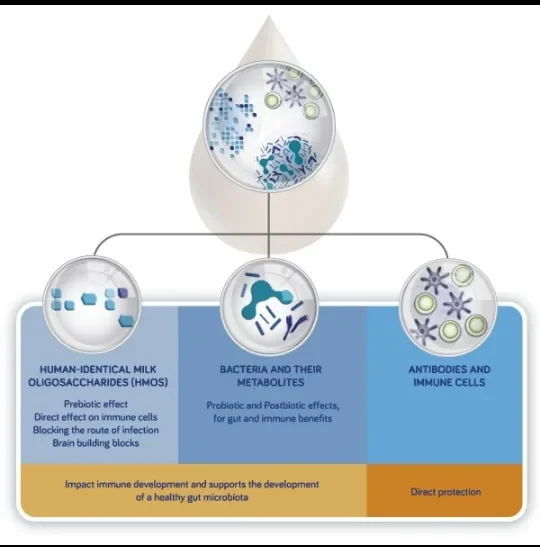
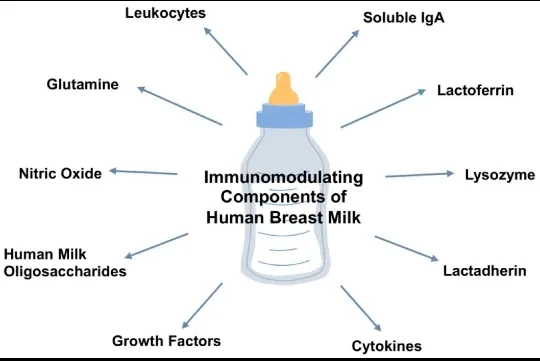
The Centers for Disease Control and Prevention (CDC) notes that breastfed infants are less likely to develop certain conditions—including ear infections and specific gastrointestinal disorders—and that breastfeeding is linked to a lower risk of various other diseases. The agency also points out that antibodies present in breast milk help the infant build immune defenses.
The story does not end with the first few months. The World Health Organization explains that breast milk remains a vital source of energy and nutrients even after the introduction of complementary foods; it can supply half or more of an infant's energy needs between the ages of six and twelve months, and about one-third during the second year, though individual needs vary from child to child.
This highlights the importance of not viewing the six-month mark as a point where breast milk suddenly ceases to be beneficial. Medical recommendations advise introducing appropriate complementary foods at this stage while continuing breastfeeding, as a child's growth alters their nutritional needs without diminishing the nutritional value of breast milk.
A common question among mothers is whether every breastfed child automatically receives a sufficient amount. This cannot be determined by looking at breastfeeding alone or by comparing one child to another. Assessing the child's growth, general condition, and indicators of adequate nutrition is far more important; if there are genuine concerns, consulting a pediatrician or a lactation specialist provides more accurate guidance than the advice often exchanged among mothers.
Global recommendations also emphasize the importance of support. Modern guidelines from the World Health Organization highlight the need to provide counseling and support to families and to integrate breastfeeding support services into maternal and child healthcare.
3. Mothers Also Reap Health Benefits
Conversations about breastfeeding often focus solely on the baby, yet medical evidence highlights the importance of maternal health as well. The World Health Organization (WHO) notes that continued breastfeeding is linked to a reduced risk of breast and ovarian cancers, among other health benefits for mothers.
The Centers for Disease Control and Prevention (CDC) also indicates that breastfeeding is associated with a lower risk of breast and ovarian cancers, as well as type 2 diabetes and high blood pressure in mothers. These benefits are based on population and medical studies; they are not a guarantee that breastfeeding will absolutely prevent these diseases.
However, a mother's well-being cannot be measured solely by what studies reveal. There is also the daily reality: a mother waking up multiple times during the night to feed her baby, coping with fatigue, physical changes, and anxiety about milk supply—all while potentially returning to work and trying to navigate her new life.
Therefore, the success of breastfeeding should not rest on the mother’s shoulders alone. The WHO emphasizes the importance of health and community support for mothers, advocating for specialized counseling and an environment—including family support—that enables women to continue breastfeeding if they choose to do so.
This brings us to a human aspect that is just as important as the medical facts: breastfeeding deserves support, and so does the mother. If a woman faces difficulties with breastfeeding, medical recommendations should not become a source of guilt. The American Academy of Pediatrics emphasizes the importance of family support and the provision of care and information, while acknowledging that the circumstances of mothers and babies vary. Therefore, the right question is not "Why didn't this mother succeed like others?" but rather, "What kind of assistance does she need?" The difference between an arduous experience and a sustainable one may simply lie in the mother receiving accurate information and practical help from a qualified professional.
4. When does a mother need specialized help? What are the frequently asked questions?
One common question is: Is persistent pain during breastfeeding normal—something that must simply be endured? Any persistent difficulty or pain warrants assessment, especially if breastfeeding becomes extremely painful or if recurring feeding issues arise. The World Health Organization (WHO) recommends providing practical support to help mothers manage breastfeeding challenges, while referring those requiring further assistance to specialized services.
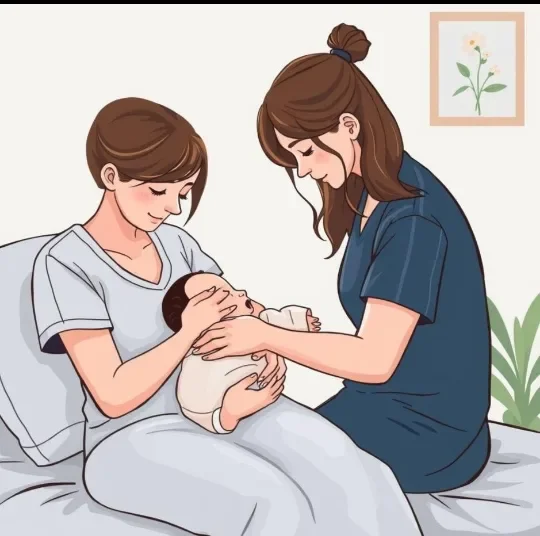
Another question is: Can breastfeeding continue after the introduction of solid foods? Yes; global recommendations advise continuing breastfeeding alongside the introduction of complementary foods—up to the age of two or beyond, depending on the mother’s and child’s circumstances and preferences. At this stage, complementary foods become an essential part of the diet, alongside continued breastfeeding.
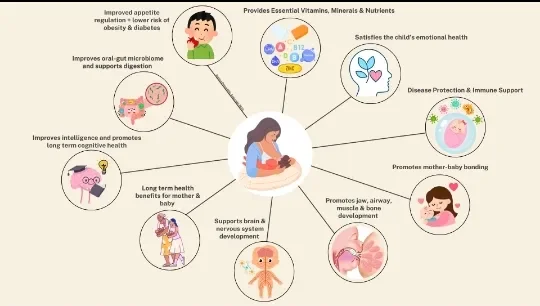
A question that often carries significant emotional anxiety is: Does an inability to breastfeed mean the mother has failed? No. Medical recommendations should not be used to judge mothers or to compare one woman's experience with another's. Individual differences, as well as health, social, and birth-related circumstances, play a role; therefore, professional support and assessment are far more important than blame.
The WHO advocates for evidence-based breastfeeding support and emphasizes the importance of training healthcare workers to assist mothers with issues that may arise during breastfeeding. Frequently
Asked Questions**Is breast milk
beneficial after the first six months?
Yes, it continues to provide energy and nutrients; however, a child's needs change as they grow. Therefore, the World Health Organization recommends introducing appropriate complementary foods starting around six months of age while continuing to breastfeed.
Does breastfeeding protect the child from all diseases?
No. Evidence points to a reduced risk of certain diseases and infections rather than absolute protection. This distinction is important to ensure that health information does not give rise to unrealistic expectations.
Frequently Asked Questions
Does every mother need the same advice?
No. Factors such as the health status of both mother and child, the child's growth pattern, and any breastfeeding difficulties make individual assessment crucial whenever a problem arises.
Ultimately, breastfeeding reveals a truth that is both simple and profound: the child receives more than just nutrition from their mother’s milk, and the mother does not go through this experience alone. It involves a changing body, a growing child, a developing immune system, and a family that can make the experience easier or more difficult depending on the level of support provided.
Medical evidence up to 2026 is clear on a fundamental point: breastfeeding is linked to significant health benefits for both child and mother, and families deserve the information and support necessary to practice it. However, medical knowledge should not turn into pressure; the ultimate goal is the health of the mother and child, alongside seeking specialized advice whenever a problem arises that requires assessment. Clarification
clarification
This article is intended for general health education and is not a substitute for consulting a physician or a lactation specialist if the mother or baby experiences a health issue.
Scientific References
World Health Organization Breastfeeding
https://www.who.int/ar/health-topics/breastfeeding
2. World Health Organization – Infant and young child feeding, updated August 4, 2026
https://www.who.int/news-room/fact-sheets/detail/infant-and-young-child-feeding
3. Centers for Disease Control and Prevention (CDC) – Breastfeeding benefits for mother and child, updated July 30,2026
https://www.cdc.gov/breastfeeding/features/breastfeeding-benefits.html
4. American Academy of Pediatrics – Policy Statement: Breastfeeding and the Use of Human Milk
https://publications.aap.org/pediatrics/article/150/1/e2022057988/188347/Policy-Statement-Breastfeeding-and-the-Use-of
5. Recent systematic review: Breastfeeding and Health Outcomes for Infants and Children – *Pediatrics* journal, 2025
https://pubmed.ncbi.nlm.nih.gov/40240318/
6. World Health Organization – Breastfeeding: Questions and answers
https://www.who.int/news-room/questions-and-answers/item/breastfeeding
تابع جديد Alkatp
اختر إشعارات الموقع أو البريد أو الاثنين. الزائر يقدر يشترك ببريده دون تسجيل حساب.
الإبلاغ عن المقال
لو لاحظت مشكلة في المحتوى، أرسلها لفريق المراجعة. لن تظهر بياناتك لكاتب المقال أو للقراء.
تعذّر إرسال البلاغ الآن. حاول مرة أخرى لاحقًا.
سجّل الدخول لإرسال بلاغ


النقاش
التعليقات (0)
فكرة تضيفها، أو سؤال يفتح حوارًا.
الرجاء تسجيل الدخول لتتمكن من التعليق