

في هذا المقال
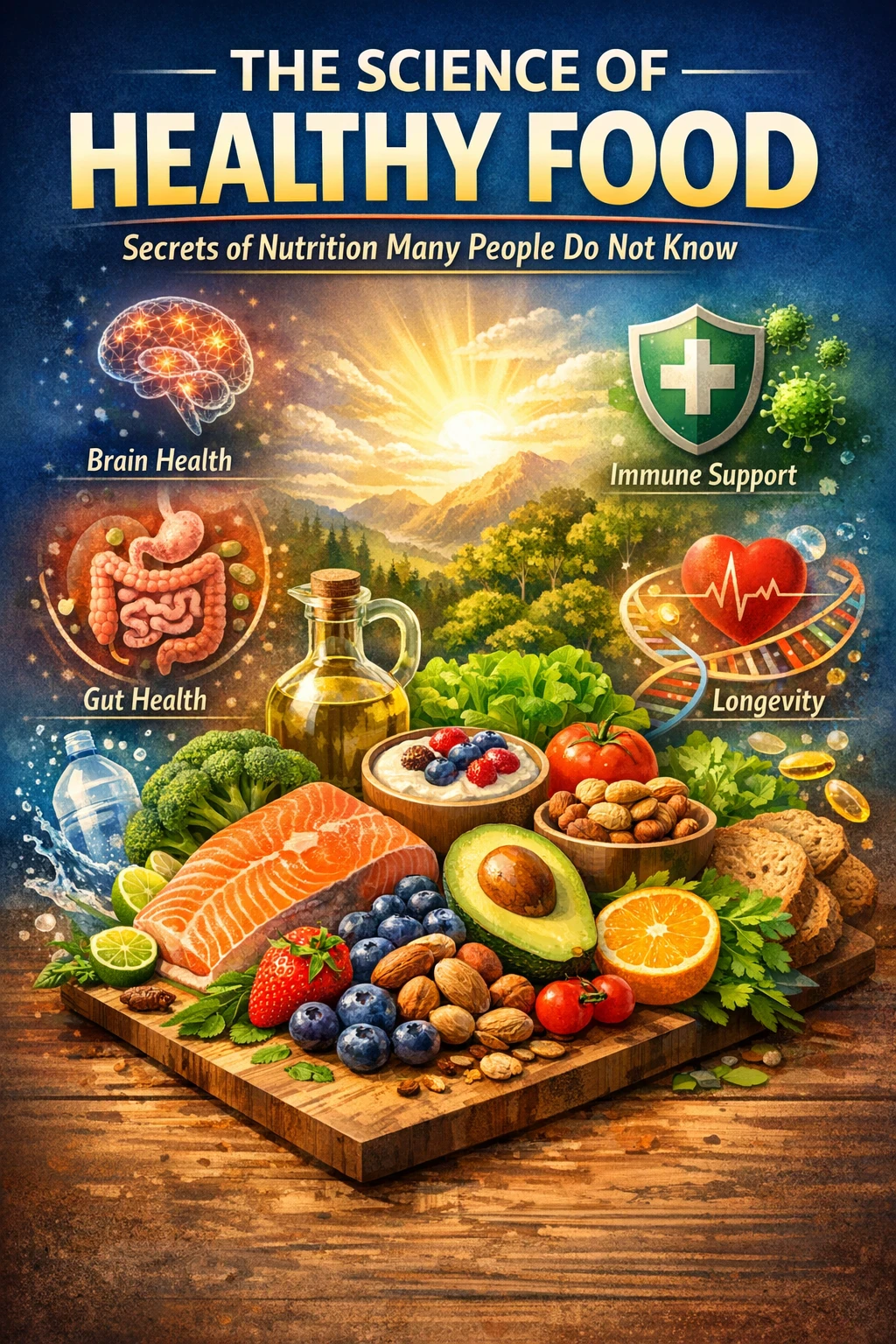
THE SCIENCE OF HEALTHY FOOD: SECRETS OF NUTRITION MANY PEOPLE DO NOT KNOW
Introduction
Healthy food is more than simply choosing fruits and vegetables instead of fast food. It is a complex science that influences nearly every system in the human body, including brain function, immunity, metabolism, and even emotional health. Many people believe that healthy eating only means reducing calories or avoiding sugar, but true nutrition goes far beyond that simple idea. Understanding how food affects the body can completely change the way we eat and the way we care for our health.
How the Body Uses Nutrients
One of the most fascinating facts about healthy food is that the body is constantly rebuilding itself using the nutrients we consume. Every cell in the human body depends on vitamins, minerals, proteins, and healthy fats to repair damage and maintain proper function. Skin cells regenerate, muscles repair after activity, and the immune system constantly produces new cells to protect the body from infections. Without a proper supply of nutrients, these processes become weaker, and the body becomes more vulnerable to disease. This is why nutrition experts often say that food is not only fuel for the body, but also a form of information that guides how the body functions.
The Hidden Meaning Behind Food Colors
A little-known fact is that the color of fruits and vegetables often indicates the type of nutrients they contain. Nature uses color as a signal of nutritional value. Red foods such as tomatoes and strawberries contain powerful antioxidants like lycopene that help protect cells from damage. Orange foods such as carrots and sweet potatoes are rich in beta-carotene, which the body converts into vitamin A to support vision and immune health. Green vegetables such as spinach and broccoli are packed with chlorophyll, iron, and folate, which are essential for blood health and energy production. Eating a colorful variety of foods is therefore one of the simplest ways to ensure that the body receives a wide range of important nutrients.
The Importance of Gut Health
Another important but often overlooked aspect of healthy eating is gut health. Inside the human digestive system lives a vast community of microorganisms known as the gut microbiome. These bacteria are not harmful; in fact, many of them are essential for good health. They help break down food, produce certain vitamins, and support the immune system. Scientists have even discovered that the gut microbiome communicates with the brain and can influence mood and mental health.
Foods rich in fiber, such as fruits, vegetables, legumes, and whole grains, help feed these beneficial bacteria. When these bacteria thrive, they produce compounds that reduce inflammation, strengthen the immune system, and support digestive health.
The Power of Fermented Foods
Fermented foods are another powerful but often underappreciated part of healthy nutrition. Foods such as yogurt, kefir, kimchi, and fermented vegetables contain beneficial probiotics. These probiotics help maintain a healthy balance of bacteria in the digestive system and improve nutrient absorption. Studies suggest that people who regularly consume fermented foods may experience improved digestion, stronger immunity, and even improved mood stability.
Why Healthy Fats Are Essential
Healthy fats are also essential for optimal health, despite the common misconception that all fats are harmful. In reality, certain fats are necessary for brain function, hormone production, and the absorption of fat-soluble vitamins. Omega-3 fatty acids, found in foods like fish, walnuts, and flaxseeds, play a major role in reducing inflammation and supporting heart and brain health. Some research has even suggested that diets rich in omega-3 fatty acids may help reduce the risk of depression and cognitive decline later in life.
The Often Forgotten Role of Hydration
Hydration is another critical factor in nutrition that many people underestimate. Water participates in nearly every function of the body, including digestion, circulation, temperature regulation, and the transportation of nutrients. Even mild dehydration can lead to fatigue, headaches, reduced concentration, and decreased physical performance. For this reason, health experts recommend drinking water regularly throughout the day rather than waiting until thirst appears.
How Meal Timing Affects the Body
Another surprising truth about healthy eating is that the timing of meals can influence metabolism and energy levels. Eating balanced meals at regular intervals helps stabilize blood sugar levels and maintain steady energy throughout the day. Skipping meals frequently can cause blood sugar fluctuations that lead to fatigue, overeating, and strong cravings for unhealthy foods.
Cooking Methods and Nutrition
Cooking methods also play an important role in the nutritional value of food. Some cooking techniques preserve nutrients better than others. For example, steaming vegetables helps maintain many of their vitamins and minerals, while deep frying or overcooking may destroy some nutrients and add unhealthy fats. Methods such as baking, steaming, and grilling are generally healthier because they preserve nutrients while avoiding excessive oils.
Healthy Eating and Longevity
Healthy eating is strongly linked to longevity. Studies of populations known for long life expectancy show that their diets often contain large amounts of vegetables, fruits, olive oil, fish, nuts, and whole grains. These natural foods provide protective nutrients that reduce the risk of chronic diseases such as heart disease, diabetes, and certain cancers. A balanced diet rich in natural ingredients helps the body remain strong and resilient over time.
Conclusion
Healthy food is not simply about dieting or following strict rules. It is about understanding how nutrition supports the body and making thoughtful choices that promote long-term health. By eating a variety of natural, nutrient-rich foods and maintaining balanced habits, individuals can strengthen their immune system, protect their organs, and maintain vitality throughout their lives. When people begin to see food not just as calories but as a powerful tool for health, they unlock the true potential of nutrition for a longer, healthier, and more energetic life.
تابع جديد الدين النصيحه
اختر إشعارات الموقع أو البريد أو الاثنين. الزائر يقدر يشترك ببريده دون تسجيل حساب.
الإبلاغ عن المقال
لو لاحظت مشكلة في المحتوى، أرسلها لفريق المراجعة. لن تظهر بياناتك لكاتب المقال أو للقراء.
تعذّر إرسال البلاغ الآن. حاول مرة أخرى لاحقًا.
سجّل الدخول لإرسال بلاغ









النقاش
التعليقات (0)
فكرة تضيفها، أو سؤال يفتح حوارًا.
الرجاء تسجيل الدخول لتتمكن من التعليق