Dr. Diaa El-Awady's "Al-Tayebat System": A Dietary Revolution Challenging Conventional Medicine—Is It the Magic Solution for Chronic Diseases?
Dr. Diaa El-Awady's "Al-Tayebat System": A Dietary Revolution Challenging Conventional Medicine—Is It the Magic Solution for Chronic Diseases?
In recent years, social media platforms across Egypt and the Arab world have been swept by a massive wave of discussions and intense debates surrounding a novel dietary regimen known as the "Al-Tayebat System" (The System of Good/Pure Foods). Founded and heavily promoted by Dr. Diaa El-Awady, this system did not merely emerge as a passing trend or a temporary weight-loss diet; rather, it rapidly evolved into a comprehensive lifestyle adopted by hundreds of thousands. This phenomenal spread has occurred amidst a sharp and polarized division: a medical community that strongly warns against its potential consequences, and patients who passionately share miraculous stories of recovery. So, what exactly is the truth behind this system? And why has it caused such an unprecedented uproar?
Philosophy and Foundations: Between the "Pure" and the "Harmful" The "Al-Tayebat System" operates on a foundational philosophy that relies on a radical categorization of foods into two distinct groups: "Tayebat" (the good, pure, and allowed foods) which are highly encouraged, and "Khaba'ith" (the bad, harmful, or forbidden foods) which must be strictly and permanently avoided. Dr. Diaa El-Awady utilizes this specific terminology to reinforce the psychological and emotional commitment of his followers.
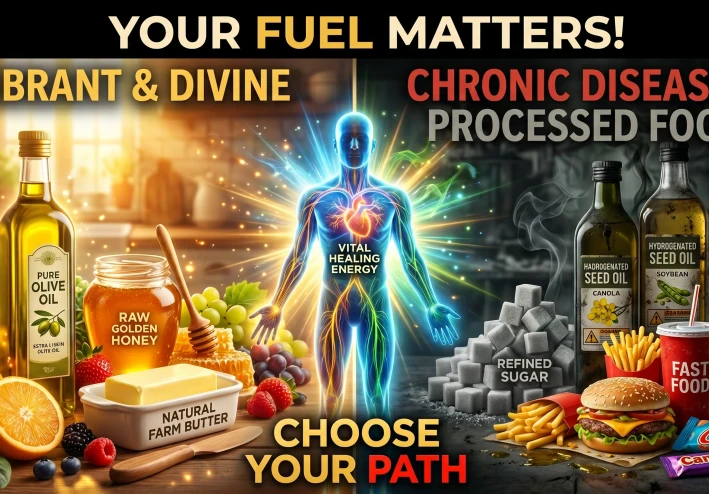
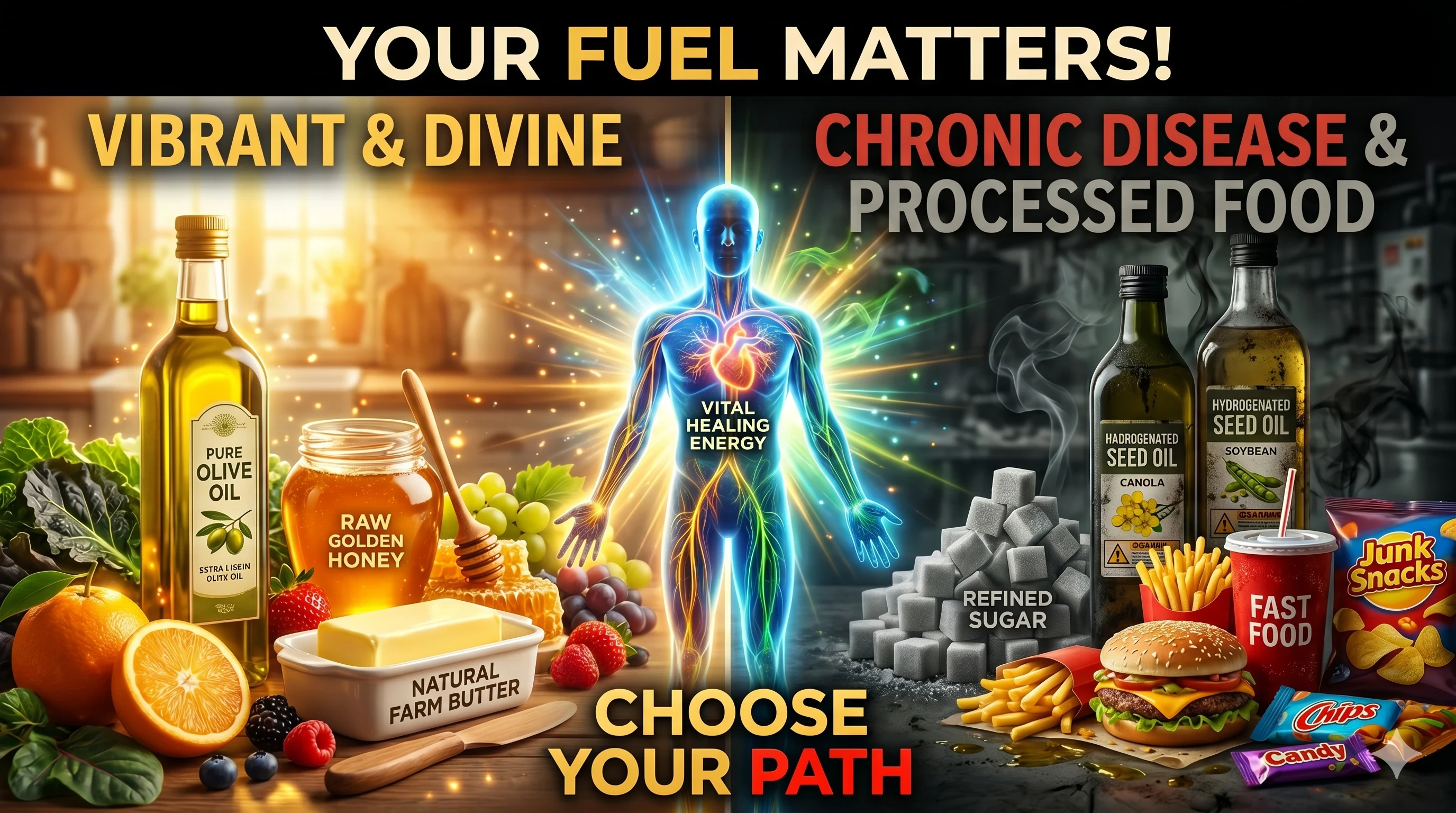
On a practical level, the core of the system demands a complete cessation of consuming refined sugar, hydrogenated vegetable oils, all types of seed oils, white flour, processed meats, and even certain types of fruits and vegetables that the system claims trigger inflammation or digestive complications.
Conversely, the system strongly advocates for the generous consumption of natural animal fats, such as traditional ghee and farm butter. It encourages eating fresh meats, poultry, fish, pure olive oil, and raw natural honey. What makes Dr. El-Awady's proposition particularly striking is that he markets his system not just as a diet, but as a definitive and effective "cure" for severe chronic conditions like Type 2 diabetes, hypertension, various autoimmune diseases, and chronic digestive disorders. He argues that these widespread diseases are merely symptoms—the result of toxins and chronic inflammation accumulating in the body due to the consumption of modern dietary "Khaba'ith." He posits that once the body is cleansed of these harmful inputs, it will miraculously regain its innate, natural ability to heal itself.
The Arena of Controversy: Medical Rejection vs. Popular Support This bold claim is precisely the ignition point that sparked the massive controversy. The traditional medical establishment relies on globally approved pharmaceuticals and standardized treatment protocols. For a physician to publicly declare that merely altering one's diet and relying on specific natural fats can replace essential medications for chronic illnesses has deeply provoked many doctors and nutritionists.
The Critics' Perspective: Medical professionals have launched scathing criticisms against the system. They primarily focus on the fact that completely banning certain food groups could lead to severe deficiencies in essential vitamins and minerals. More importantly, doctors issue grave warnings against encouraging vulnerable patients to abandon their prescribed life-saving medications, or reduce their dosages without strict medical supervision, noting that such actions pose a lethal risk. Furthermore, critics emphasize that the system fundamentally lacks peer-reviewed scientific literature and documented clinical trials, rendering it an anecdotal experiment devoid of solid scientific backing.
The Supporters' Perspective: On the opposite side stands an army of fierce defenders, relying on "practical experience" as their definitive proof. Social media groups are flooded with thousands of personal testimonies from individuals who assert that their health conditions have drastically improved. They share laboratory results showing normalized blood sugar levels, describe the complete disappearance of chronic joint pain, and celebrate regaining their vitality after years of suffering with chemical drugs. This stark contrast between "successful personal experience" and "official medical warning" is exactly what fuels the system's continuous momentum.
Conclusion Ultimately, it is undeniable that the Al-Tayebat System has successfully cast a stone into stagnant waters, powerfully highlighting the critical importance of food quality and its direct impact on human health. Returning to natural, unprocessed foods and avoiding industrial sugars and hydrogenated oils is undoubtedly a positive and commendable direction. However, this transition must be approached with awareness and balance. Patients must not rush to abandon prescribed medical treatments without consulting specialized healthcare professionals. The battle between conventional medicine and alternative dietary systems will continue, and in the end, human awareness and wisdom in treating the body remain the true decisive factors.