

In this article
H. Pylori Infection: Symptoms, Treatment, and Prevention Guide
H. Pylori affects millions and often causes no symptoms. Learn how to recognize the warning signs, how doctors test for it, the most effective treatments, and what you can do to prevent it from coming back.
Stomach bacteria is one of the most common digestive issues people deal with. Many carry it for years without knowing, because the infection doesn't always cause clear symptoms.
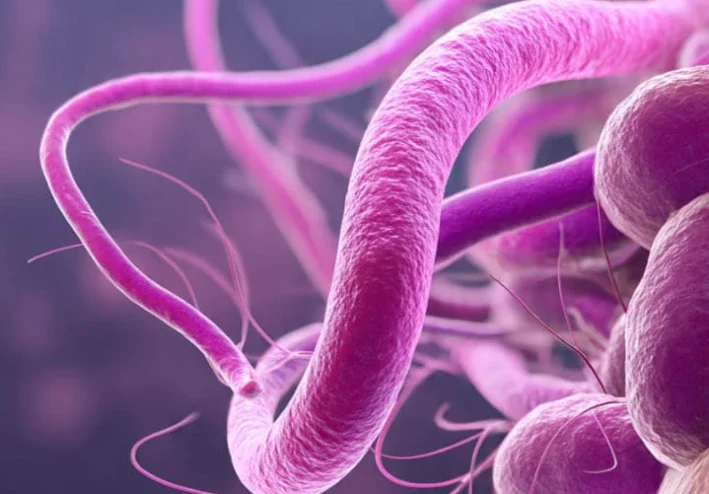
Medically called Helicobacter pylori, or H. pylori, this bacteria lives in the stomach lining. When left untreated, it can lead to gastritis, stomach ulcers, and duodenal ulcers.
1. What Are the Symptoms of H. Pylori?
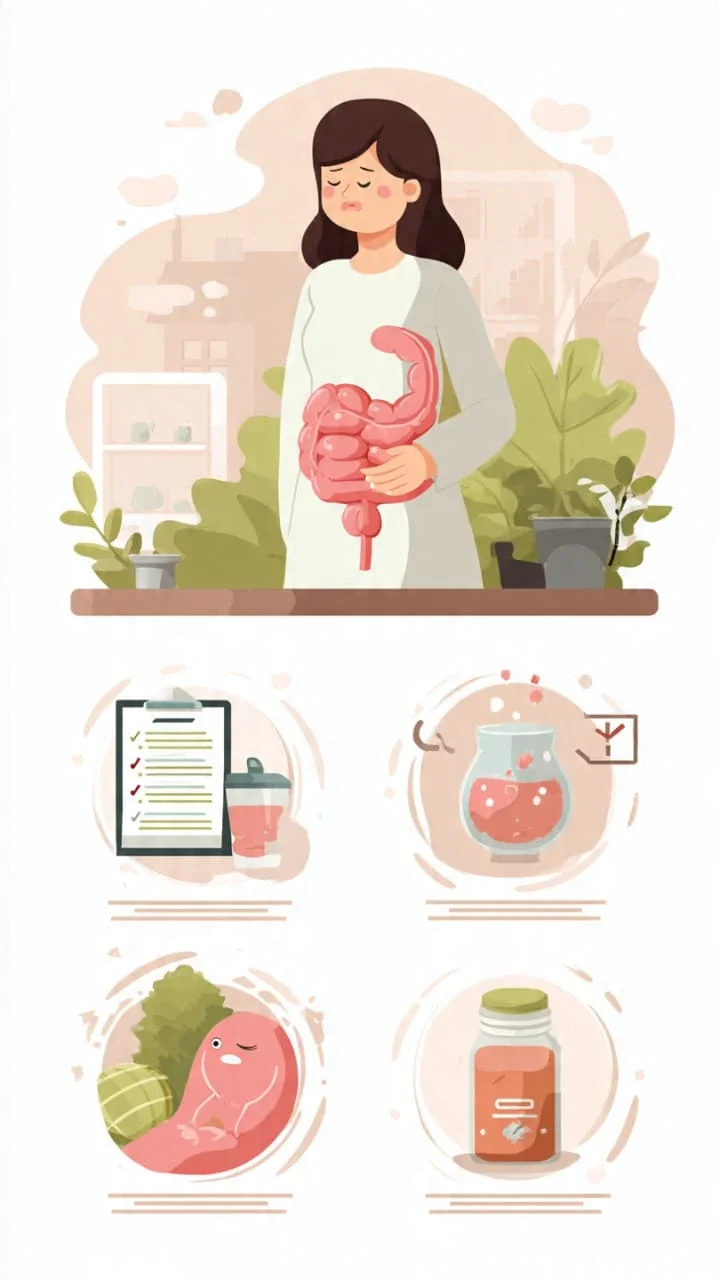
Not everyone will feel symptoms. When they do appear, the most common ones include:
Stomach pain or burning: Often worse on an empty stomach
Bloating and frequent burping
Nausea
Loss of appetite
Unexplained weight loss: Especially if the infection impacts eating
Important: You can't diagnose H. pylori based on symptoms alone. Many other digestive problems cause the same issues. The only way to confirm it is through proper medical testing with your doctor.
2. How Is H. Pylori Diagnosed?
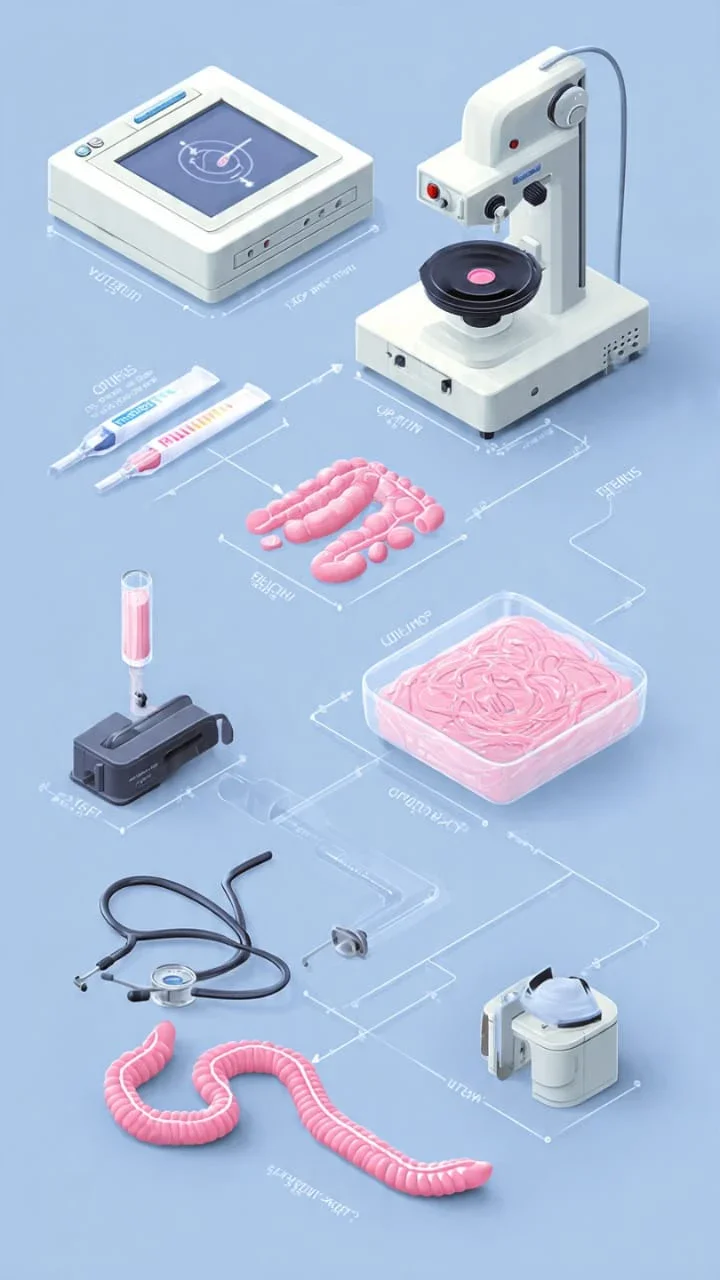
Your doctor will choose the right test based on your symptoms. The most common diagnostic methods are:
Stool antigen test: Detects proteins from H. pylori in your stool
Urea breath test: Measures gases produced by the bacteria
Endoscopy: Recommended in some cases to get a closer look at the stomach and rule out other digestive problems
3. Treatment Options and Follow-Up Care
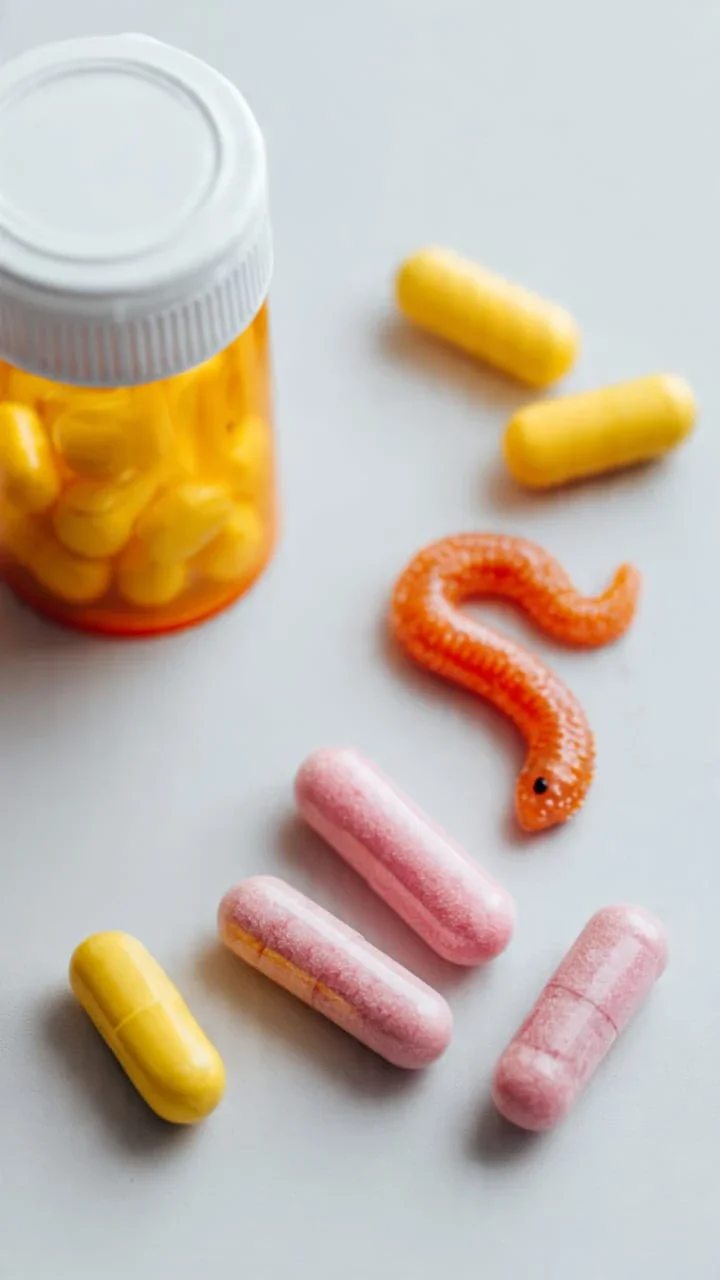
There's no single pill that cures H. pylori. Treatment follows medical protocols and is tailored to you.
A typical treatment plan includes:
A combination of antibiotics: To eliminate the bacteria
Acid-reducing medication: To lower stomach acid and help the lining heal
Bismuth-based medications: Used in some protocols to support treatment
The specific antibiotics vary because some strains have become resistant. That's why self-medicating with antibiotics is not recommended.
Finish the full course, even if you feel better in a few days. Stopping early can cause the infection to return and increase antibiotic resistance.
Do you need to retest after treatment?
Yes. Most doctors recommend a follow-up test at least 4 weeks after finishing antibiotics to confirm the bacteria is gone. Your doctor will also advise you about any medications that could affect the test results.
Can diet cure H. pylori?
A balanced diet can help soothe your stomach, but no food or home remedy can completely get rid of H. pylori. The infection itself requires medical treatment. There's also no special diet proven to cure or prevent ulcers.
4. When to See a Doctor and Key Takeaways
If you have ongoing stomach pain or recurring digestive symptoms, book an appointment instead of trying to treat it yourself.
Seek urgent medical care if you experience:
Severe, sudden abdominal pain
Black or bloody stools
Vomiting blood or vomit that looks like coffee grounds
The Bottom Line
H. pylori is common and treatable. The right approach starts with confirming the infection through testing, then following your doctor's prescribed treatment plan to completion.
Medical Disclaimer:
This article is for educational purposes only and is not a substitute for professional medical advice. Always consult your doctor before starting any treatment or changing medication doses. Follow-up testing is recommended after treatment to ensure full recovery.
Medical Sources & References:
World Health Organization (WHO): Data on H. pylori prevalence and related gastrointestinal diseases
Mayo Clinic: Comprehensive guide to causes, symptoms, and diagnosis of H. pylori infection
WebMD: Clinical review of treatment protocols and antibiotic therapies for stomach infections
Keep up with نجمة السماء
Choose site notifications, email, or both. Guests can subscribe by email without an account.
Report this article
Tell our review team about a problem with this content. Your details will not be shown to the author or other readers.
Your report could not be sent. Please try again later.
Sign in to report an article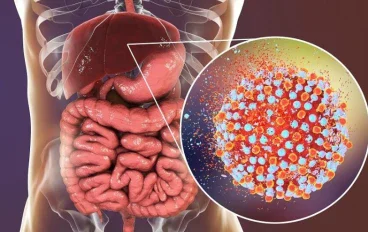




Discussion
comments (0)
Share a perspective. Start a thoughtful conversation.
please login to be able to comment