

في هذا المقال
Anemia: Understanding Its Causes, Symptoms, and How to Support Healthy Blood
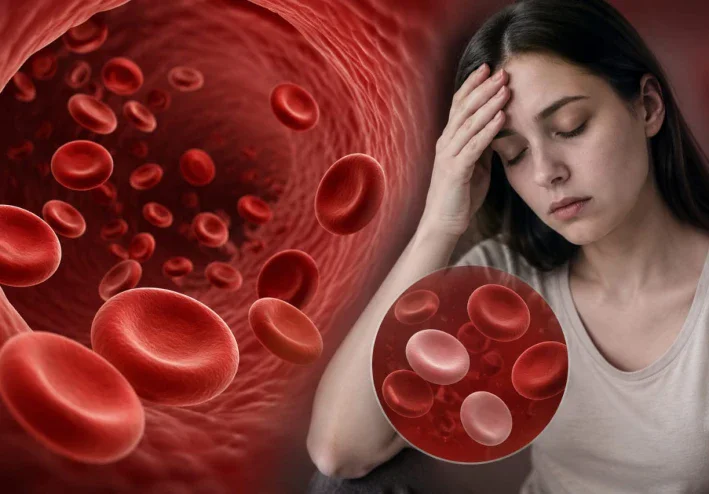
Anemia is a common health condition that can affect people of different ages. It happens when the blood does not have enough healthy red blood cells or enough hemoglobin to carry oxygen efficiently around the body. Because oxygen is essential for normal body function, anemia may lead to tiredness, weakness, and other noticeable changes.
The good news is that anemia is not always caused by the same problem. There are several types, and understanding the possible causes is an important first step toward proper medical care.
What Is Anemia?
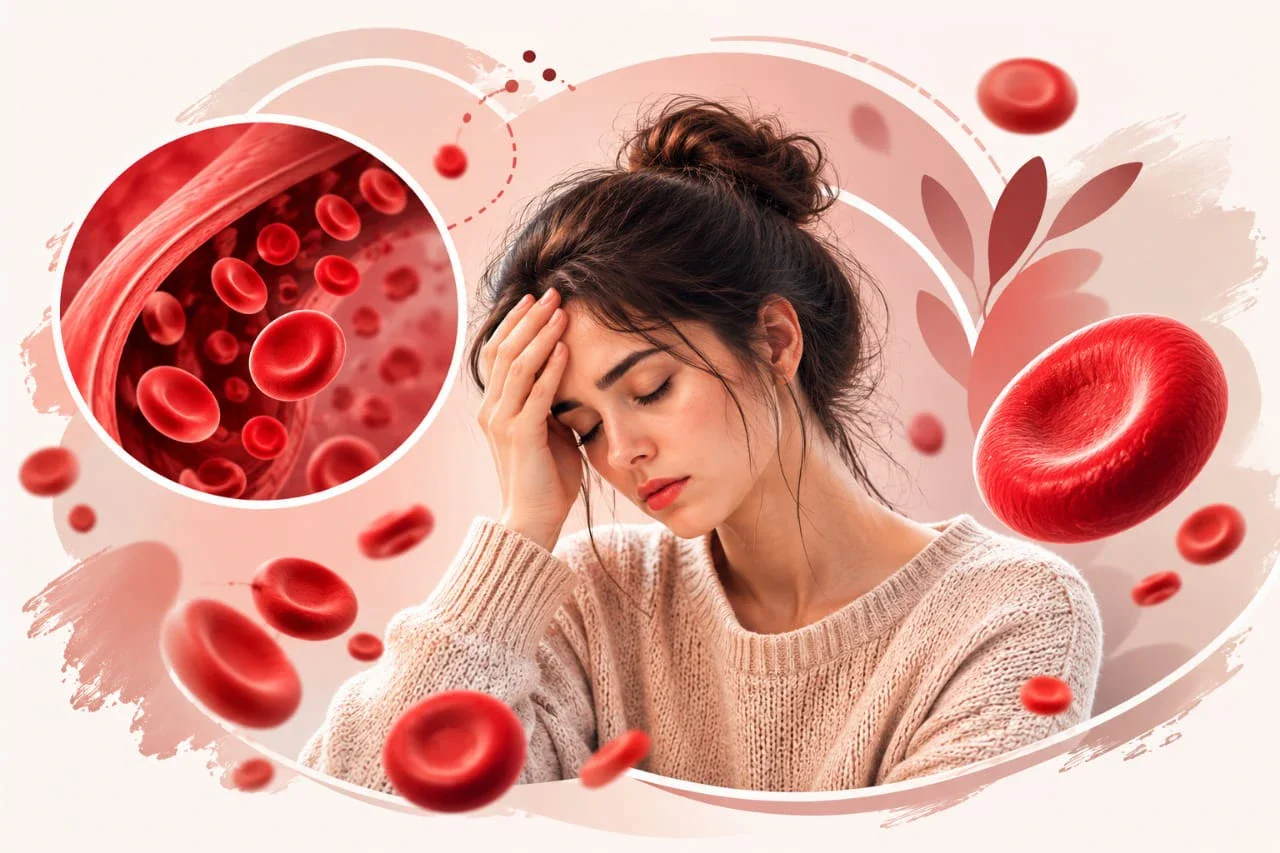
Hemoglobin is a protein found inside red blood cells. Its main job is to carry oxygen from the lungs to the rest of the body.
When hemoglobin levels are lower than normal, the body's tissues may receive less oxygen than they need. This can result in symptoms such as low energy, dizziness, headaches, or shortness of breath.
Anemia is not a single disease. Instead, it is a condition that can develop for different reasons. Some cases are related to nutrition, while others may be connected to blood loss, chronic illnesses, problems with red blood cell production, or inherited conditions.
Common Causes of Anemia
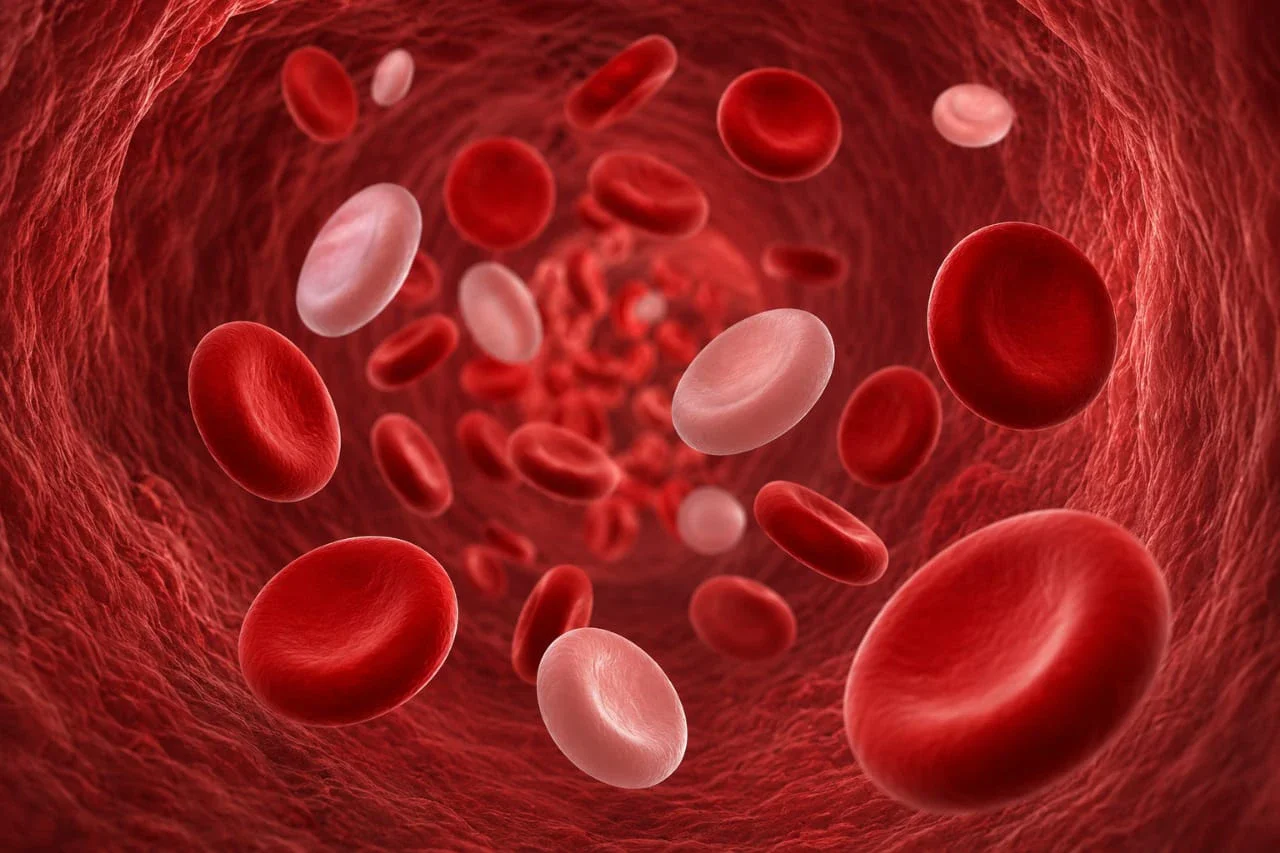
One of the most familiar causes is iron deficiency. The body needs iron to produce hemoglobin, so not getting enough iron over time can contribute to iron-deficiency anemia.
Other possible causes include a lack of vitamin B12 or folate, blood loss, certain chronic health conditions, inherited blood disorders, and conditions that affect the production or destruction of red blood cells.
For this reason, simply assuming that every case of anemia is caused by a lack of iron may be misleading. The underlying cause matters when deciding what kind of treatment or dietary changes are appropriate.
Possible Symptoms
Anemia can develop gradually, and some people may have few symptoms at first. When symptoms occur, they can include:
• Feeling unusually tired or weak
• Pale-looking skin
• Headaches
• Dizziness or lightheadedness
• Shortness of breath, especially with physical activity
• Feeling cold more often
• Difficulty concentrating
• A faster heartbeat in some cases
The severity of symptoms can vary depending on the type and degree of anemia and how quickly it develops.
Foods That Can Support Healthy Blood
Food cannot replace medical treatment when anemia has an underlying medical cause, but a balanced diet can provide nutrients that the body needs to produce healthy blood cells.
Iron-rich foods include lean meat, poultry, fish, beans, lentils, peas, tofu, and some leafy green vegetables. Eggs and iron-fortified foods can also contribute to daily iron intake.
Vitamin C is another useful nutrient because it can help the body absorb iron from plant-based foods. Fruits such as oranges, strawberries, kiwi, and other vitamin C-rich foods can be included alongside meals containing plant sources of iron.
Vitamin B12 is naturally found mainly in foods such as meat, fish, eggs, and dairy products. Folate can be found in foods including leafy green vegetables, beans, peas, citrus fruits, and fortified grains.
A varied diet is generally more helpful than relying on one particular food.
Why Iron Supplements Are Not Right for Everyone
Iron supplements are often associated with anemia, but taking iron without knowing the cause is not always appropriate. Not every type of anemia results from iron deficiency, and excessive iron intake can be harmful.
If anemia is suspected, a healthcare professional can determine whether testing is needed and help identify the underlying cause before recommending supplements or other treatment.
How Is Anemia Diagnosed?
A healthcare professional may ask about symptoms, diet, medical history, and other relevant factors. A blood test such as a complete blood count can help evaluate hemoglobin and red blood cell levels.
Additional tests may sometimes be needed to understand why anemia is present. The appropriate tests depend on the individual situation and the suspected cause.
When Should Medical Advice Be Considered?
Persistent tiredness, unexplained weakness, repeated dizziness, shortness of breath, or other unusual symptoms should not automatically be blamed on anemia.
Anyone experiencing ongoing or concerning symptoms should speak with a qualified healthcare professional. Medical attention is particularly important when symptoms are severe, appear suddenly, or are accompanied by other concerning changes.
Simple Steps for Supporting Healthy Blood
Maintaining a varied diet is one practical way to provide the nutrients involved in healthy red blood cell production. Meals can include a combination of protein sources, vegetables, fruits, legumes, and whole grains.
It is also useful to avoid self-diagnosing based only on symptoms. Feeling tired, for example, can have many possible causes. A proper evaluation can provide a clearer answer than guessing from symptoms alone.
The Bottom Line
Anemia is a broad condition with many possible causes. Iron deficiency is one common reason, but it is not the only one. Recognizing possible symptoms, eating a varied and nutrient-rich diet, and seeking appropriate medical advice can all play a role in maintaining healthy blood.
Understanding the cause is especially important because the right approach depends on the type of anemia involved. Instead of treating the condition based on assumptions, proper evaluation can help determine what is actually needed.
Medical Disclaimer
This article is provided for general educational and informational purposes only. It is not intended to diagnose, treat, cure, or prevent anemia or any other medical condition. The information presented here should not be considered a substitute for professional medical advice, diagnosis, or treatment. Anyone with persistent, severe, or concerning symptoms should consult a qualified healthcare professional. Do not start or change supplements or medical treatment based solely on this article.
Sources
World Health Organization (WHO), Anaemia.
National Heart, Lung, and Blood Institute (NHLBI), Anemia.
MedlinePlus, Anemia.
National Institutes of Health (NIH) Office of Dietary Supplements, Iron Fact Sheet for Consumers.
National Institutes of Health (NIH) Office of Dietary Supplements, Vitamin B12 Fact Sheet for Consumers.
تابع جديد نجمة السماء
اختر إشعارات الموقع أو البريد أو الاثنين. الزائر يقدر يشترك ببريده دون تسجيل حساب.
الإبلاغ عن المقال
لو لاحظت مشكلة في المحتوى، أرسلها لفريق المراجعة. لن تظهر بياناتك لكاتب المقال أو للقراء.
تعذّر إرسال البلاغ الآن. حاول مرة أخرى لاحقًا.
سجّل الدخول لإرسال بلاغ


النقاش
التعليقات (0)
فكرة تضيفها، أو سؤال يفتح حوارًا.
الرجاء تسجيل الدخول لتتمكن من التعليق