


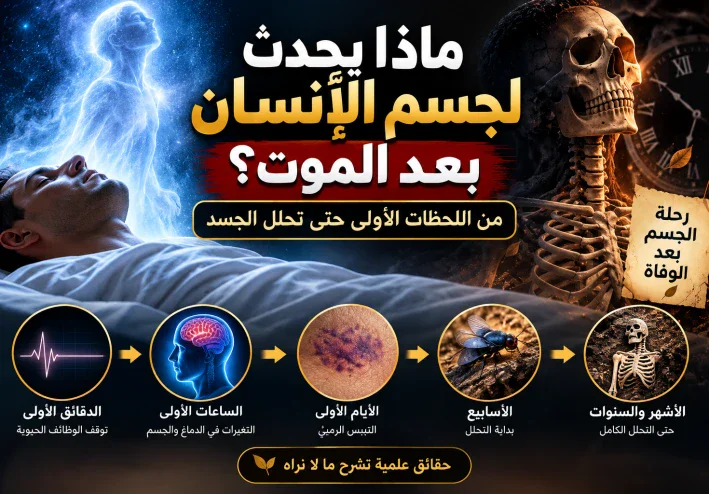
What Happens to the Human Body After Death? From the First Moments to Decomposition
What Happens to the Human Body After Death? From the First Moments to Decomposition
Death is a natural part of life, yet what happens to the human body afterward remains a fascinating scientific subject. Once the heart stops beating and breathing ceases, a series of biological and chemical changes begins throughout the body.
These changes do not happen all at once. Different cells, tissues, and organs are affected at different rates, while environmental conditions can greatly influence what happens next.
In this article, we explore the major changes that can occur in the human body after death, from the first minutes and hours to the later stages of decomposition.
The First Minutes After Death
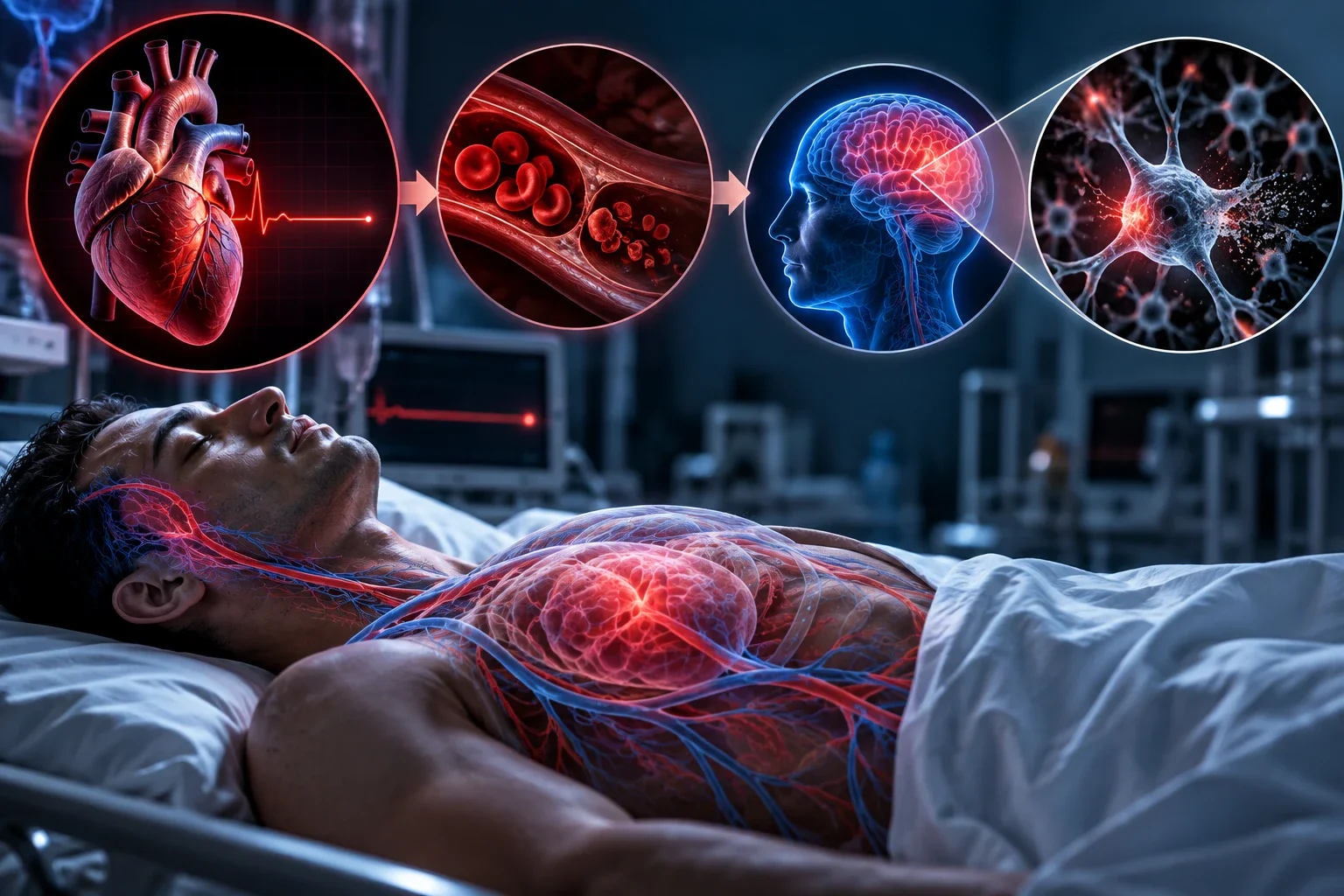
When the heart stops beating, blood circulation also stops. As a result, oxygen-rich blood is no longer delivered normally to the body's organs and tissues.
The brain is particularly sensitive to a lack of oxygen. As oxygen levels fall, brain cells rapidly lose their ability to function normally.
However, not every cell and tissue in the body stops functioning at exactly the same moment. Cellular changes occur progressively, and different tissues can respond differently to the loss of oxygen and circulation.
What Happens During the First Hours?
After circulation stops, the body gradually begins to cool toward the temperature of its surroundings. This process is known as algor mortis.
Blood is also affected by gravity. Because the heart is no longer circulating it, blood can settle in the lower areas of the body and cause visible changes in skin color. This phenomenon is known as livor mortis.
Both processes can provide useful information in forensic investigations, although many environmental factors can affect them.
Why Does the Body Become Stiff?
Several hours after death, the muscles may begin to stiffen in a process called rigor mortis.
Muscles normally require chemical energy to contract and relax. After death, the body's ability to produce this energy is disrupted, causing changes within muscle fibers that lead to temporary stiffness.
Rigor mortis does not last forever. As decomposition progresses and muscle tissues begin to break down, the stiffness gradually disappears.
The First Days and the Beginning of Decomposition
Another important process is autolysis, sometimes described as self-digestion. Enzymes that were previously contained within cells begin contributing to the breakdown of tissues after death.
At the same time, bacteria naturally present in the human body, particularly in the digestive system, can play an increasingly important role in decomposition.
As these processes progress, changes in the body's appearance can occur, and gases produced by microorganisms may begin to accumulate.
What Happens During the Following Weeks?
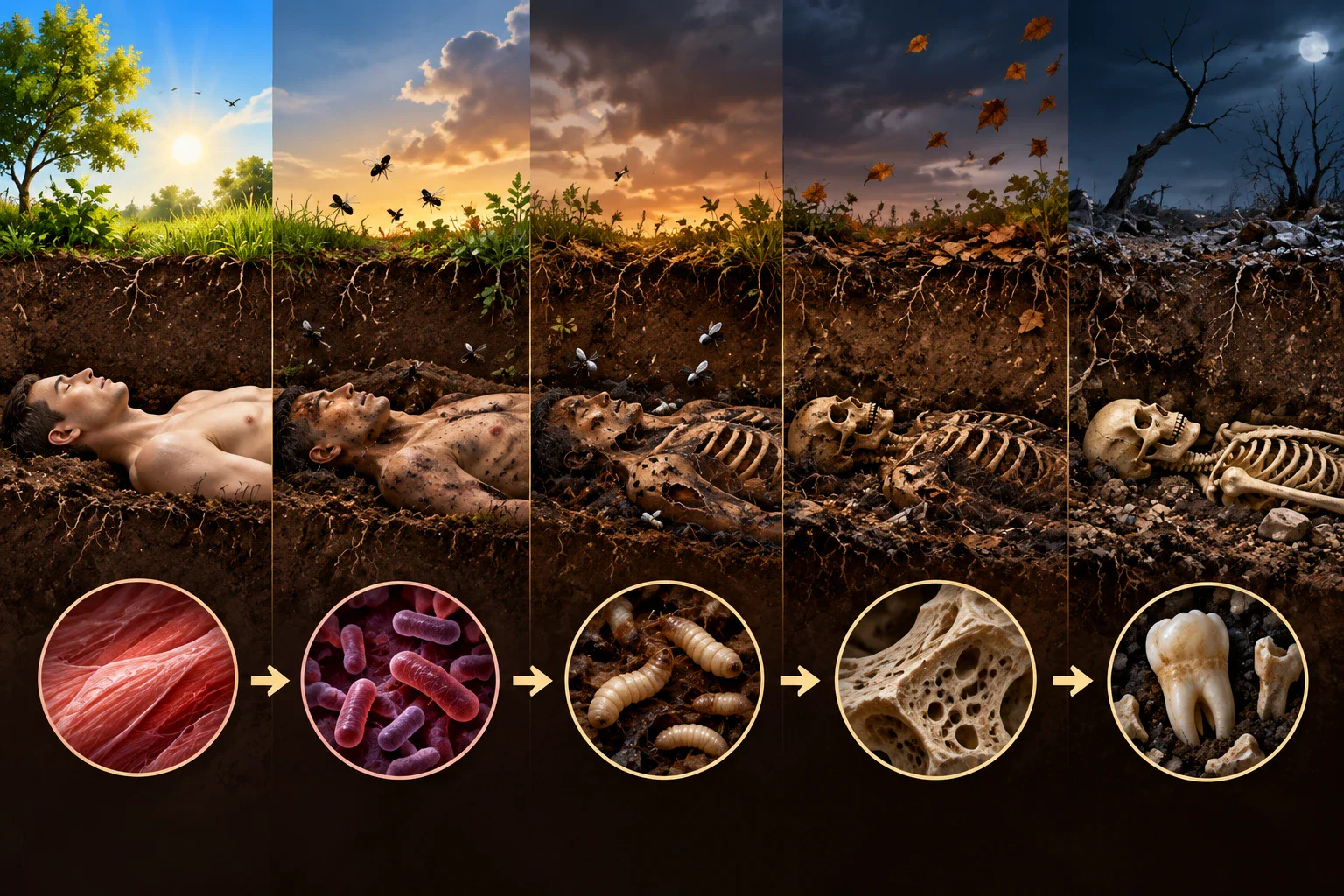
Soft tissues continue to break down over time. When a body is exposed to the environment, microorganisms and insects may also contribute to decomposition.
There is no single timeline that applies to every body.
Temperature, humidity, oxygen availability, clothing, burial conditions, surrounding soil, insect access, and many other environmental factors can significantly affect the rate of decomposition.
This is why two bodies exposed to different environments may decompose at very different rates.
What Remains After a Long Period of Time?
Over a sufficiently long period, much of the soft tissue can disappear, while bones and teeth generally remain for much longer.
However, bones are not permanent. They also undergo physical and chemical changes over time.
How long skeletal remains persist depends heavily on environmental conditions, including soil chemistry, moisture, temperature, and whether the remains are exposed or buried.
Teeth can also survive for long periods because of their highly mineralized structure, which is one reason dental evidence can be important in forensic identification.
Can Scientists Determine the Exact Time of Death?
Forensic specialists can examine several postmortem changes when estimating how much time has passed since death.
Body temperature, livor mortis, rigor mortis, decomposition, environmental conditions, and other evidence can all contribute to an estimate.
However, these processes are not a perfectly accurate clock. Because so many factors affect the body after death, determining the postmortem interval usually involves evaluating multiple pieces of evidence rather than relying on a single sign.
Conclusion
What happens to the human body after death is not a single event but a complex sequence of biological and chemical processes.
It begins with the cessation of vital functions and circulation, followed by changes such as body cooling, blood settling, and muscle stiffening. Later, cellular breakdown, microorganisms, and environmental conditions contribute to decomposition.
Studying these processes helps scientists better understand the human body and plays an important role in forensic science. Although death marks the end of the body's coordinated biological functions, many physical and chemical changes continue long afterward.







please login to be able to comment