

In this article
Shortness of Breath and Heart Disease: Symptoms Associated with Heart Failure and When Urgent Care Is Needed
Shortness of Breath Is Not Always a Lung Problem
While shortness of breath is a well-known symptom of heart failure, it does not automatically indicate heart disease; it can also result from lung conditions, anemia, infections, anxiety, and other disorders. Therefore, the significance of the symptom lies not merely in its presence, but in its nature, timing, associated symptoms, and any deviation from what is normal for the individual.
How Does the Heart Cause Shortness of Breath?
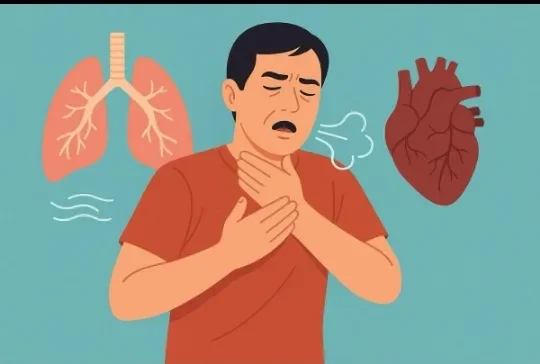
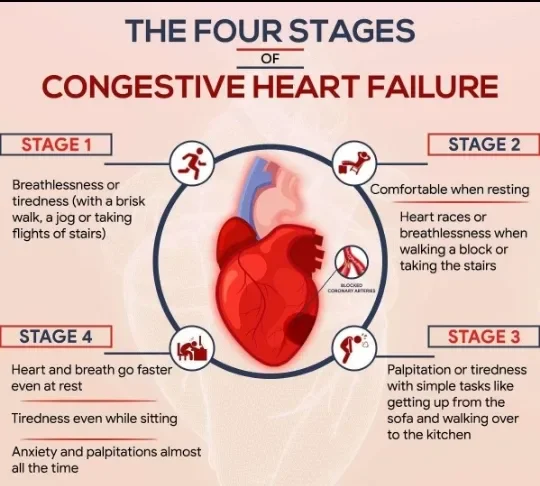
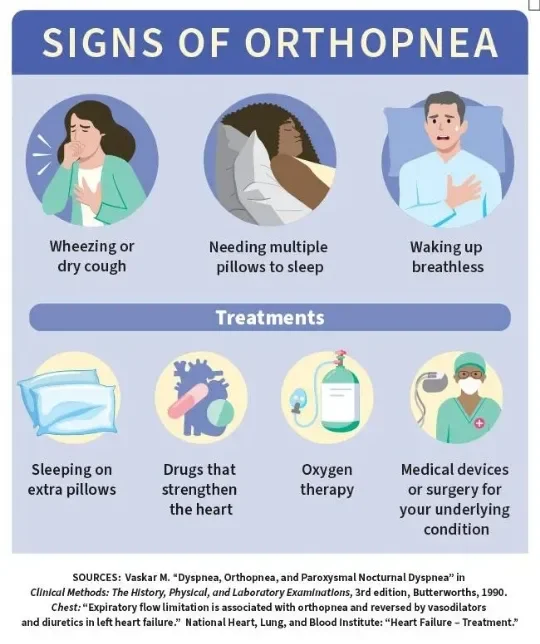
In certain cases of heart failure—particularly when the left side of the heart is affected—the heart cannot efficiently handle the blood returning from the lungs. This can lead to increased pressure within the pulmonary blood vessels and fluid leakage into lung tissue, resulting in breathing difficulties. The condition may begin during physical activity and, in some patients, progress to shortness of breath when lying down or waking up at night due to breathing trouble. It may also be accompanied by a persistent cough, wheezing, swelling in the legs and ankles, and rapid weight gain caused by fluid retention. While this clinical picture does not diagnose heart failure on its own, it makes a cardiac evaluation crucial, especially if the symptoms are new or progressively worsening.
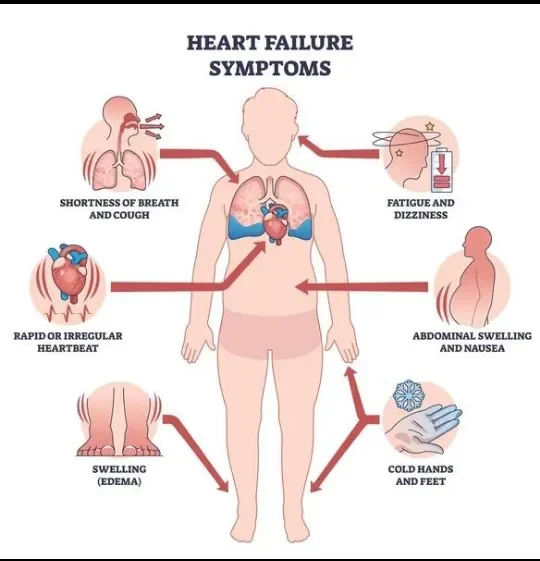
When Does Shortness of Breath Warrant a Cardiac Evaluation? The most important indicator is a change from one's usual state. If a person becomes short of breath after covering a short distance they previously managed with ease, requires multiple pillows to sleep due to breathing difficulties when lying down, or wakes up feeling like they are suffocating, these symptoms warrant medical evaluation. Concern is heightened when these symptoms are accompanied by swelling in the feet or ankles, unusual fatigue, heart palpitations, a persistent cough, or sudden weight gain. Furthermore, shortness of breath occurring at rest is more concerning than shortness of breath triggered by clear physical exertion. Medical guidelines emphasize the importance of reporting new or worsening symptoms to a doctor; early detection of the underlying cause facilitates appropriate treatment, rather than simply addressing the shortness of breath as an isolated symptom.
How does a doctor distinguish between a cardiac cause and other causes?
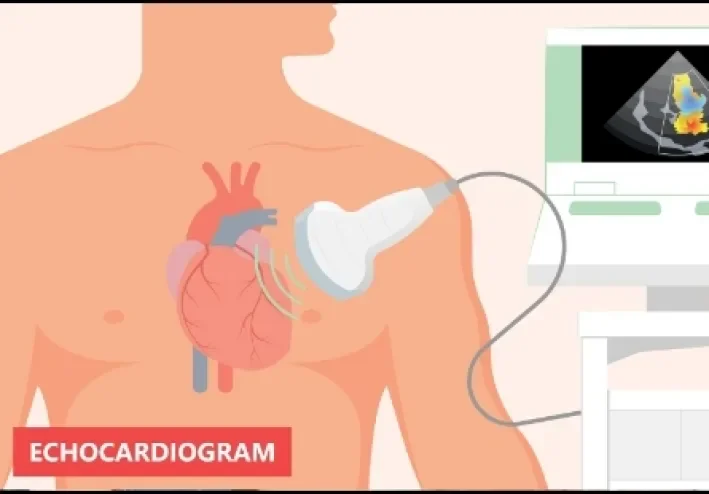
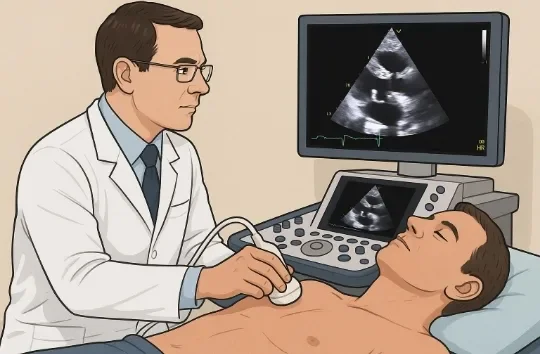
The cause of shortness of breath cannot be determined based on the symptom alone. Evaluation typically begins with a review of medical history and a physical examination, establishing when the shortness of breath started, whether it occurs during exertion or at rest, if it worsens when lying down, and whether it is accompanied by chest pain, swelling, or palpitations. The doctor may require an electrocardiogram (ECG), blood tests, a chest X-ray, and an echocardiogram to assess heart function, along with additional tests depending on the specific case. Biomarkers such as BNP or NT-proBNP can help assess the likelihood of heart failure, though they are interpreted in conjunction with the physical examination and other test results. The goal is not to attribute every instance of shortness of breath to a heart condition, but rather to identify the actual cause and rule out conditions requiring urgent intervention. When does shortness of breath require urgent care?
There are situations where one should not wait for a routine medical appointment. Sudden, severe shortness of breath—especially when accompanied by chest pain or pressure, fainting, extreme weakness, noticeable heart rhythm irregularities, or a bluish tint to the lips and face—requires emergency evaluation. Another critical sign is severe shortness of breath accompanied by a cough producing white or pink, frothy sputum, as this may indicate acute fluid accumulation in the lungs. Additionally, worsening shortness of breath in a person with known heart failure, or the onset of new swelling or rapid weight gain, warrants immediate contact with a medical team. These signs alone do not confirm a cardiac cause, as other emergencies can present with the same symptoms; therefore, seeking urgent medical help is safer than attempting self-diagnosis.
Frequently Asked Questions
Does all shortness of breath indicate heart disease?
No. Shortness of breath has many causes, including lung diseases, infections, anemia, and others. However, the presence of accompanying cardiac symptoms or a noticeable change in physical activity tolerance makes medical evaluation particularly important.
Is shortness of breath when lying down linked to the heart?
It can be, particularly in some patients with heart failure; shortness of breath may worsen when lying down or cause the person to wake up at night seeking a more comfortable breathing position. However, it is not a sign exclusive to heart conditions.
Is shortness of breath accompanied by chest pain dangerous?
It may indicate an emergency, especially if the shortness of breath is sudden or severe, or accompanied by fainting, palpitations, or extreme weakness. In such cases, emergency care should be sought immediately rather than waiting.
Can heart failure be diagnosed based on symptoms alone?
No. While symptoms guide the physician, the diagnosis relies on medical history, a physical examination, and appropriate test results. These may include an electrocardiogram (ECG), blood tests, an echocardiogram, and other tests depending on the specific case.
Medical Note:
This article is for general health education purposes; it should not be used to diagnose the cause of shortness of breath or to replace a physician's assessment. If shortness of breath is severe or sudden, or accompanied by chest pain, fainting, or bluish discoloration (cyanosis), seeking urgent medical care is the priority.
Sources
https://www.mayoclinic.org/diseases-conditions/heart-failure/symptoms-causes/syc-20373142
https://www.nhs.uk/conditions/heart-failure/
https://www.nhlbi.nih.gov/health/heart-failure/symptoms
https://www.heart.org/en/health-topics/heart-failure/heart-failure-explained
Report this article
Tell our review team about a problem with this content. Your details will not be shown to the author or other readers.
Your report could not be sent. Please try again later.
Sign in to report an article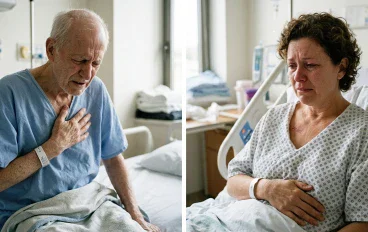




Discussion
comments (0)
Share a perspective. Start a thoughtful conversation.
please login to be able to comment