Introduction
Nutrition is one of the most important factors affecting human health, quality of life, and life expectancy. Throughout history, many dietary systems have been promoted as the ultimate solution for achieving optimal health. Among these approaches is the Tayyibat Diet System, which generally encourages the consumption of natural foods while minimizing processed products and artificial ingredients. Although many of its principles align with modern nutritional recommendations, the popularity of this diet has also led to the spread of numerous unsupported claims. Consequently, distinguishing scientific evidence from myths has become essential for making informed dietary decisions.
1. What Is the Tayyibat Diet System?
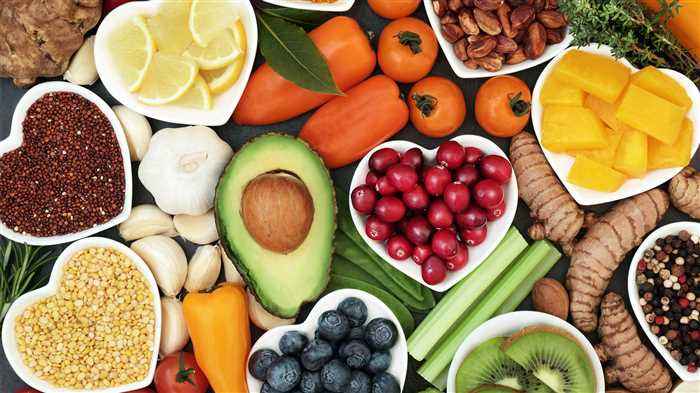
The Tayyibat Diet System is generally understood as a nutritional pattern that emphasizes consuming wholesome and minimally processed foods. It encourages a diet rich in fresh fruits, vegetables, whole grains, legumes, lean meats, fish, dairy products, nuts, and healthy fats while reducing the intake of refined sugars, excessive salt, trans fats, and ultra-processed foods.
Rather than focusing on a single “miracle food,” the system promotes dietary balance, food quality, and nutritional diversity. Its primary objective is to provide the body with essential nutrients needed for growth, energy production, tissue repair, and proper functioning of vital organs.
2. Scientific Facts About the Diet
Modern nutritional science strongly supports many of the principles associated with the Tayyibat Diet System. Numerous clinical studies have shown that diets rich in plant-based foods, dietary fiber, vitamins, minerals, antioxidants, and healthy fats contribute significantly to maintaining overall health.
A balanced diet helps reduce the risk of cardiovascular disease, type 2 diabetes, obesity, hypertension, and certain types of cancer. Fruits and vegetables provide antioxidants that help protect cells from oxidative stress, while whole grains improve digestive health and contribute to better blood sugar regulation.
Healthy protein sources, including fish, legumes, poultry, and nuts, support muscle growth, hormone production, and immune function. Likewise, replacing saturated fats with unsaturated fats has been associated with improved heart health and lower cholesterol levels.
Importantly, these health benefits result from maintaining a balanced dietary pattern rather than following a specific diet name or trend.
3. Common Myths
Despite its positive nutritional principles, several myths have become associated with the Tayyibat Diet System.
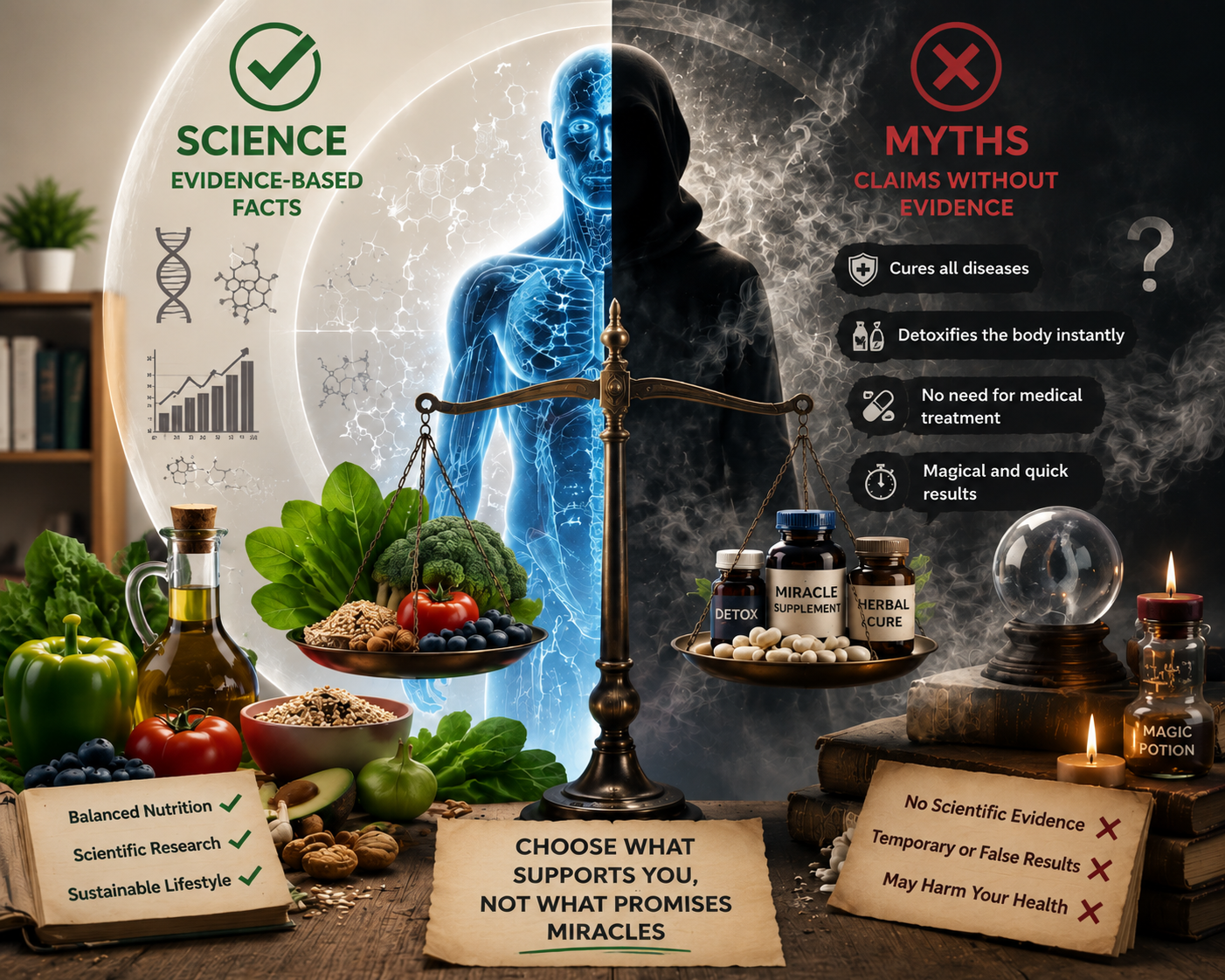
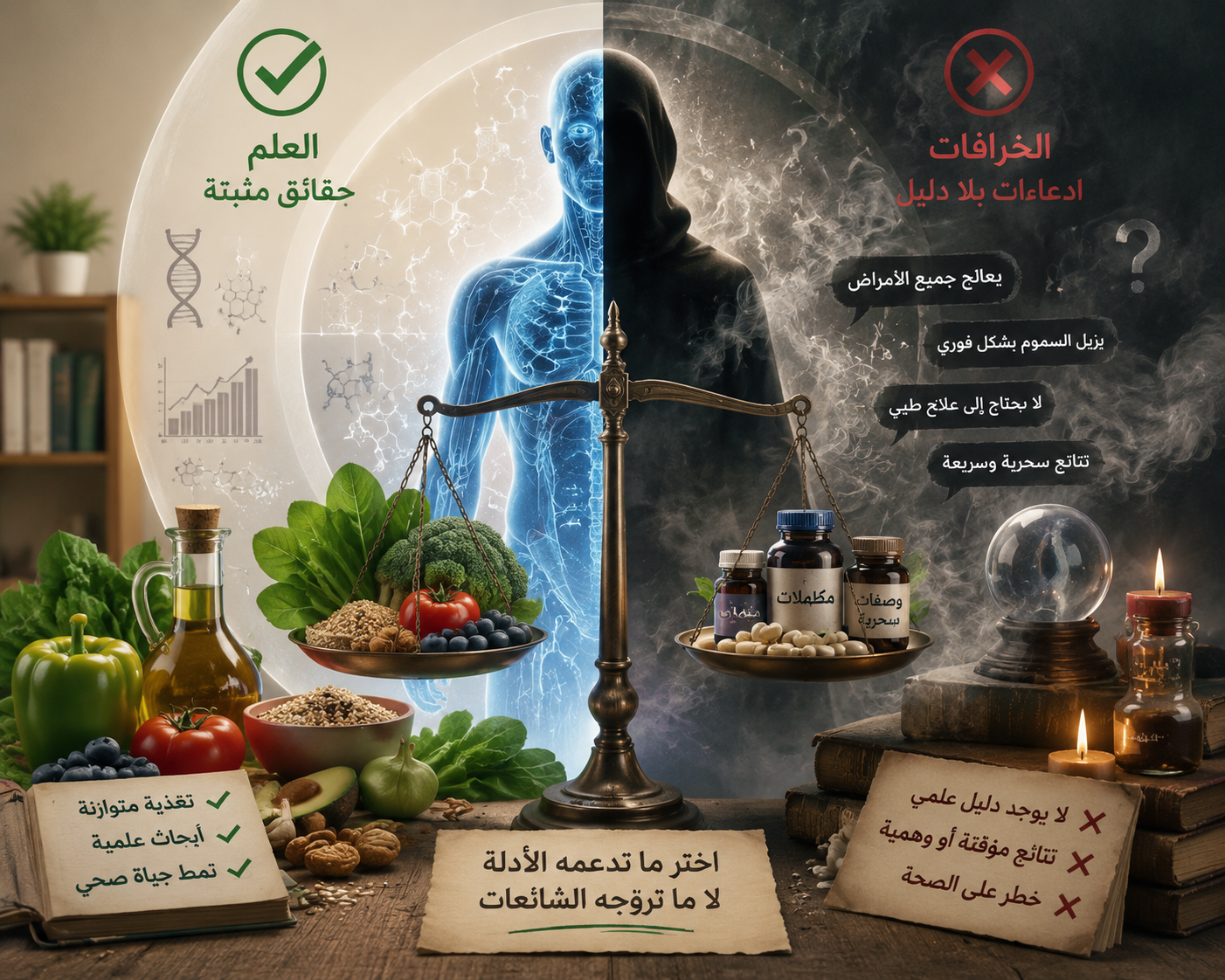
One common misconception is that following this diet can cure all diseases without medical intervention. Others claim that it can completely eliminate toxins from the body within a few days or permanently strengthen the immune system against every illness.
Some advertisements even suggest that consuming certain natural foods can reverse aging, prevent all chronic diseases, or replace prescription medications.
Scientific research does not support these extraordinary claims. While proper nutrition undoubtedly contributes to better health, no dietary system alone can cure all diseases or eliminate the need for appropriate medical care.
4. What Does Science Say?
Medical science explains that the human body already possesses sophisticated mechanisms for maintaining internal balance. The liver, kidneys, lungs, digestive system, and skin continuously work together to eliminate metabolic waste and harmful substances.
For healthy individuals, these organs perform detoxification naturally without requiring expensive detox products or extreme dietary regimens.
Furthermore, chronic illnesses such as diabetes, hypertension, autoimmune disorders, and cancer involve complex biological mechanisms that require evidence-based medical diagnosis and treatment. Nutrition serves as a valuable supportive factor, but it cannot replace professional healthcare.
Scientists therefore recommend evaluating dietary claims through peer-reviewed clinical research rather than relying on personal testimonials, celebrity endorsements, or viral social media content.
5. How Can We Distinguish Science from Myths?
Consumers should critically evaluate health information before accepting nutritional claims.
Reliable information generally comes from universities, medical institutions, peer-reviewed scientific journals, government health agencies, and qualified healthcare professionals.
On the other hand, claims promising rapid weight loss, instant detoxification, guaranteed disease cures, or miraculous health improvements without scientific evidence should be viewed with skepticism.
Learning basic scientific literacy and understanding how clinical studies are conducted can help individuals make more informed decisions regarding their health.
6. The Importance of Moderation
One of the fundamental principles of healthy nutrition is moderation. Even nutritious foods can become harmful if consumed excessively, while a varied and balanced diet provides the greatest long-term health benefits.
No single food contains every nutrient required by the human body. Therefore, consuming a wide variety of foods ensures adequate intake of carbohydrates, proteins, healthy fats, vitamins, minerals, and dietary fiber.
In addition to proper nutrition, maintaining regular physical activity, obtaining sufficient sleep, managing stress, avoiding smoking, and attending regular medical check-ups are equally important components of a healthy lifestyle.
Conclusion
In conclusion, the Tayyibat Diet System can represent a healthy nutritional approach when it is based on balanced eating habits, food variety, and scientifically supported dietary principles. However, many extraordinary claims associated with the diet—including miracle cures, instant detoxification, or replacing conventional medicine—are not supported by reliable scientific evidence.
Individuals should therefore evaluate any dietary system based on high-quality scientific research rather than marketing campaigns, anecdotal experiences, or misinformation circulating on social media. A balanced diet, combined with regular exercise, adequate sleep, and professional medical guidance, remains the safest and most effective strategy for promoting long-term health and preventing chronic disease.