The American Health Paradox: Why We Buy Wellness But Can't Eat Our Way to Health
The American Health Paradox: Why We Buy Wellness But Can't Eat Our Way to Health
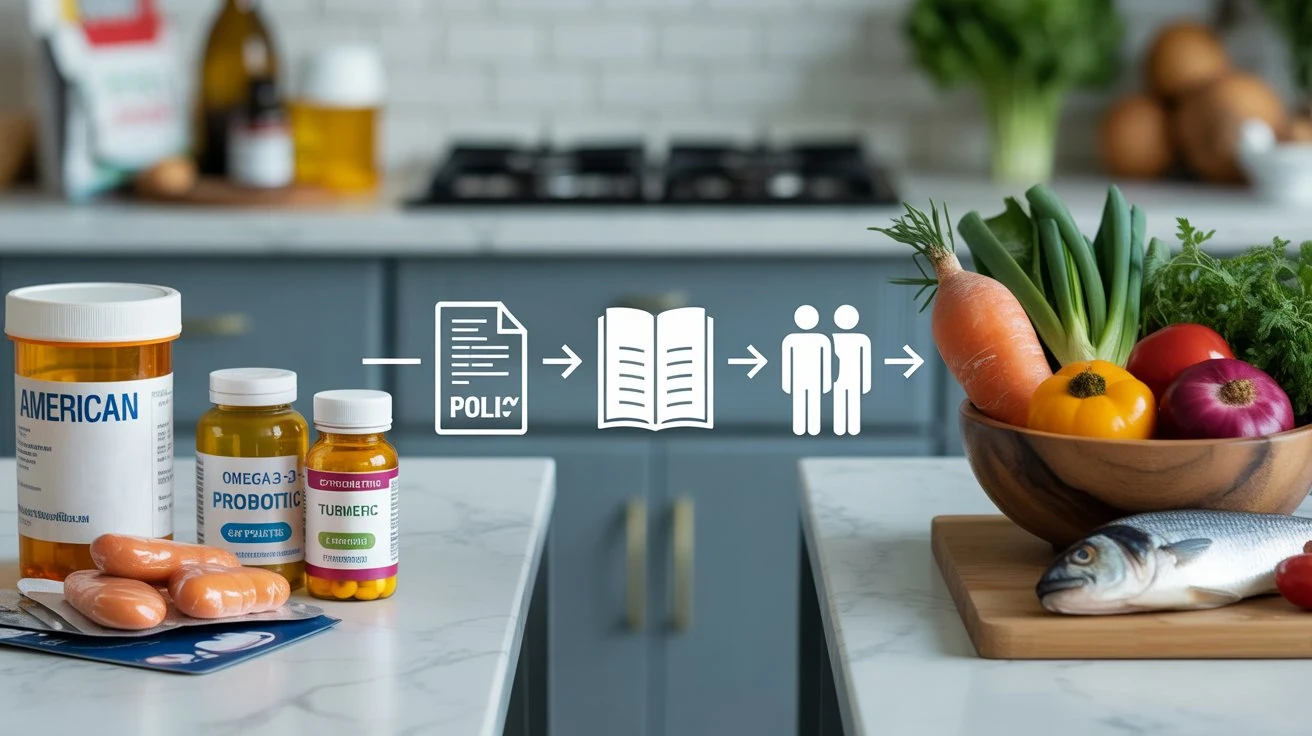
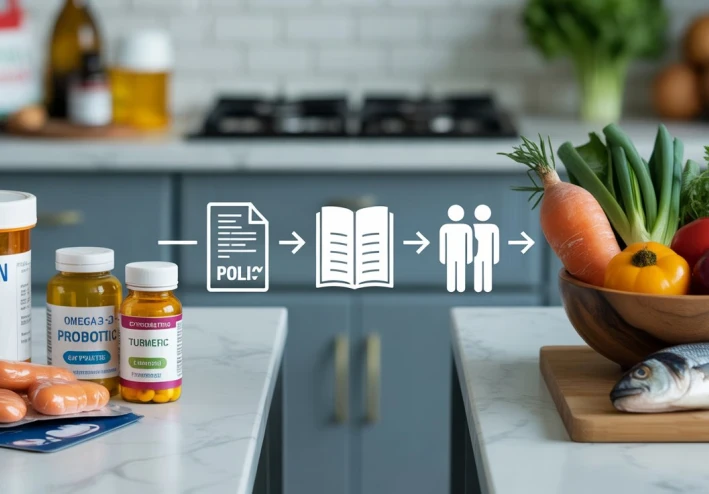
A telling scene unfolds daily across America: a morning ritual of fish oil capsules and a probiotic, followed by a lunch sourced from a drive-thru window. We are a nation of profound nutritional contradiction. Surveys reveal that over 70% of us believe food is powerful medicine for disease prevention, yet federal data shows a staggering 90% fail to consume the recommended daily fruits and vegetables. We spend lavishly on supplements—creating a market larger than the GDP of most nations—while our plates remain dominated by ultra-processed foods
This is the American Therapeutic Nutrition Gap. It is not a simple lack of willpower or education. It is a symptom of a deeper, systemic reality: our reliance on food and supplements as medicine is a form of individualized healthcare outsourcing. In the absence of a robust preventive healthcare system and a supportive food culture, Americans have turned therapeutic nutrition into a reactive, market-driven, and often fragmented pursuit. This article explores how this gap emerged, why it persists, and what we can learn from cultures where nourishment and prevention are seamlessly woven into the fabric of daily life
The Belief-Action Chasm – A Statistical Mirror
The gap between what Americans know and what we do is quantifiable and wide
The Awareness Facade: The International Food Information Council (IFIC) consistently finds that a large majority of Americans acknowledge the direct link between diet and long-term health. We understand the concepts of anti-inflammatory foods and gut health
The Dietary Reality: According to the CDC and NHANES data, only 1 in 10 adults meet federal fruit and vegetable intake recommendations. Concurrently, chronic, diet-related diseases like type 2 diabetes, cardiovascular disease, and obesity remain leading causes of death and disability
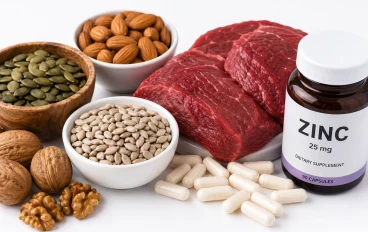
The Supplement Bridge: This chasm is filled by the dietary supplement industry. The NIH reports that over half of all U.S. adults use supplements, with many doing so for preventive purposes. We don't eat kale, but we buy green powder. We struggle with fatty fish consumption, but we invest in omega-3 capsules. This represents a transactional approach to wellness—an attempt to purchase health outcomes we cannot, or will not, cultivate through our daily meals
The Supplement Paradox – Commodifying Prevention
Why this overwhelming reliance on pills and powders? The answer lies in a perfect storm of economics, culture, and policy
The Healthcare Cost Driver: Facing the world's most expensive and often reactive sick-care system, Americans use supplements and superfoods as a form of financial risk mitigation. A bottle of vitamins is a tangible, affordable investment in staving off a future $50,000 cardiac procedure. It is a private solution to a public health failing
The Culture of Self-Optimization: Therapeutic nutrition in America aligns perfectly with the cultural ethos of radical individualism and biohacking. The body becomes a project to be optimized with specific inputs, mirroring a tech startup mindset. This frames health not as a state of balance inherited from tradition, but as a personal achievement unlocked through the right product
The Regulatory Green Light: The 1994 Dietary Supplement Health and Education Act (DSHEA) allows supplements to be marketed with structure/function claims without pre-market FDA approval for efficacy. This created a vast, minimally regulated marketplace where hope is packaged and sold directly to consumers seeking control over their health
The Cultural Contrast – Heritage vs. Purchase
Comparing the American model to other global perspectives reveals its uniqueness—not as a leader in wellness, but as an outlier in fragmentation
Japan's Shokuiku (Food Education): In Japan, therapeutic nutrition is a matter of national policy and cultural practice. Shokuiku, mandated in schools, teaches children about the origins, nutrition, and mindful consumption of food. The result is a default dietary pattern rich in fish, seaweed, fermented soy, and vegetables—a preventive culinary heritage, not a purchased regimen
The Mediterranean Rhythm: In regions following the traditional Mediterranean diet, heart-healthy fats, whole grains, and legumes are not "therapeutic foods"; they are simply food. Prevention is embedded in the social and leisurely ritual of eating—shared meals, seasonal produce, and olive oil as a staple. Health is a byproduct of lifestyle, not the primary goal of a shopping trip
Nordic Public Health Pragmatism: Countries like Sweden and Finland employ strong, science-based public health nutrition guidelines and strategic food fortification. Their approach is systemic and population-level, reducing the burden on the individual to navigate a confusing wellness market
Culinary Displacement and the Lost Kitchen
For many Americans, adopting therapeutic nutrition requires a conscious rejection of the mainstream food environment
The Standard American Diet as the Default: Our prevailing food culture is engineered for hyper-palatability and shelf-life, not health. To eat for prevention often means to opt out of this default—a difficult, time-consuming, and sometimes socially isolating act
The Kitchen as a Pharmacy, Not a Hearth: In cultures with embedded food traditions, the kitchen is the heart of the home. In the American therapeutic model, it can become a clinical space for preparing "health food," separate from "regular food." This culinary displacement turns eating into a clinical act rather than a cultural or joyful one, making long-term adherence a challenge
From Outsourced to Integrated – A Path Forward
Closing the American Therapeutic Nutrition Gap requires moving beyond selling more supplements and towards rebuilding an integrated food culture. The solution is not a new superfood, but systemic change
Policy-Level Shifts: We must advocate for policies that make healthy choices the easy choices. This includes subsidizing nutrient-dense produce (not just commodity crops), regulating harmful food marketing, and ensuring food literacy education from an early age
Reclaiming Culinary Heritage: We can build a new food culture that draws on the wisdom of diverse traditions, celebrating whole-food preparation and the pleasure of eating as a community ritual. The goal is to make the healthy choice the cultural choice
Reframing the Narrative: We must stop viewing food purely as individualized medicine and start seeing it as communal medicine. Health is not a personal technology project but a collective outcome of the environments and systems we build
The true measure of progress will come when the morning ritual isn't a handful of pills to counteract yesterday's choices, but a simple, shared meal that nourishes us for the day ahead—because it's just what we do, and who we are
Frequently Asked Questions (FAQs)
Q1: Are you saying supplements are bad
A1: Not at all. High-quality supplements have a vital role in addressing specific deficiencies and supporting certain health conditions. The paradox is their use as a mass substitute for a healthy dietary pattern in the general population. They are meant to supplement a good diet, not replace it
Q2: Isn't taking personal responsibility for health through supplements a good thing
A2: Personal responsibility is important, but it has limits when the systemic environment is stacked against healthy choices. When the cheapest, most accessible foods are the least healthy, and healthcare is unaffordable, relying solely on individual purchase power (like buying supplements) creates inequity and is an inefficient public health strategy
Q3: How can we learn from other cultures without adopting their specific diets
A3: The lesson isn't to eat exactly like the Japanese or Italians. It's to adopt their principles: making whole, minimally processed foods the cultural default; valuing food education; and viewing meals as social, nourishing events. We can apply these principles to diverse, American culinary traditions
Q4: What's the single biggest policy change that could help
A4: Reforming agricultural subsidies to incentivize the production of fruits, vegetables, nuts, and legumes—rather than primarily corn, soy, and wheat for processing—would be transformative. It would lower the cost of healthy food at its source
Q5: Does this mean all "wellness" culture is harmful
A5: Wellness culture becomes harmful when it places the entire burden of health on the individual's purchasing decisions, fosters anxiety, and distracts from the need for broader systemic reform. Ethical wellness empowers with knowledge and supports collective action for a healthier environment for all