Arctic Elixir: The Forgotten Omega Power of Seal Oil
Arctic Elixir: The Forgotten Omega Power of Seal Oil
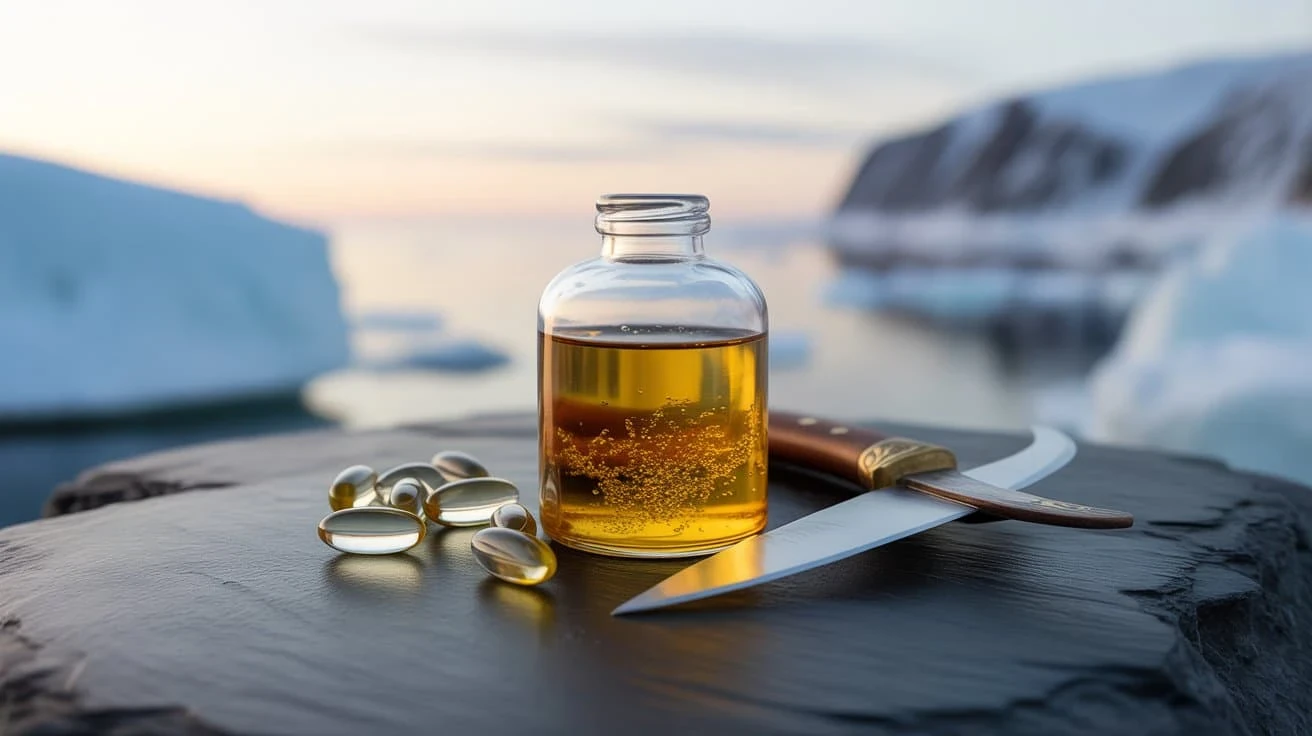
For millennia, the Inuit peoples of the Arctic have thrived in one of Earth’s most unforgiving environments. Their remarkable resilience and historically low incidence of modern inflammatory diseases have long puzzled researchers. The answer, many believe, lies not in their genetics alone, but on their plates—specifically, in the unique marine lipids derived from the fatty seals that are central to their subsistence. This article explores seal oil, an extraordinary traditional Inuit remedy now recognized by modern nutritional science as a potent source of bioactive omega-3 fatty acids with unparalleled benefits for cardiovascular, joint, and respiratory health
Decoding the Unique Nutritional Matrix of Seal Oil
While fish oil has dominated the omega-3 conversation, seal oil offers a distinct and potentially superior profile. Its potency stems from three key factors
The Unique Triad: EPA, DHA, and DPA. Like fish oil, seal oil contains eicosapentaenoic acid (EPA) and docosahexaenoic acid (DHA). Its critical differentiator is a high concentration of docosapentaenoic acid (DPA), an intermediary omega-3 often scarce in other supplements. DPA is a powerhouse for cellular membrane repair and inflammatory response modulation, acting as a potent reservoir the body can convert to EPA and DHA as needed
Natural Triglyceride Form. Seal oil’s fatty acids occur in their natural triglyceride form, mirroring the structure of fats found in the human body. This is believed to enhance bioavailability and absorption compared to the ethyl ester forms found in many concentrated fish oils, leading to more efficient cellular uptake
A Heritage of Sustainable Use. From a traditional medicine perspective, the consumption of the whole animal—including organ meats and blubber—provided a synergistic nutrient complex. This holistic approach delivered not just omega-3s, but also fat-soluble vitamins (A, D, E, K) and antioxidants that work in concert, a principle modern therapeutic nutrition is only beginning to fully appreciate
Targeted Health Benefits: Beyond Generic Omega-3s
Cardiovascular System Guardian
The cardioprotective effects of seal oil are profound. The DPA-rich profile directly supports endothelial function, helping to maintain flexible, healthy blood vessels. It promotes a favorable cholesterol balance by increasing HDL (good) cholesterol and modulates triglyceride levels. Furthermore, its potent anti-inflammatory action soothes the vascular system, addressing a root cause of atherosclerosis. This makes it a formidable ally for natural cardiovascular support
Joint and Inflammatory Response Modulator
For conditions like arthritis and rheumatic pain, seal oil acts as a direct inflammation modulator. The omega-3s, especially DPA, are precursors to specialized pro-resolving mediators (SPMs)—molecules that actively “resolve” inflammation rather than merely suppressing it. This can translate to reduced joint stiffness, decreased swelling, and improved mobility, offering a natural anti-inflammatory strategy for chronic joint health
Respiratory System Strengthener
Emerging research and traditional use point to benefits for the respiratory tract. The anti-inflammatory effects may help calm bronchial inflammation associated with asthma and chronic obstructive pulmonary disease (COPD). By supporting healthy mucosal membranes and modulating immune response in the lungs, seal oil contributes to respiratory system resilience, a testament to its role in the harsh Arctic air
Integration and Ethical Considerations
Incorporating seal oil into a modern wellness regimen requires mindful sourcing. Choosing products from regulated, sustainable hunts conducted by Indigenous communities in Canada (like Nunavut) and Norway is crucial. These sources ensure marine lipid sustainability and support traditional livelihoods. Typical dosage ranges from 500mg to 2000mg daily, but consulting a healthcare provider is essential, especially for those on blood-thinning medications
Bridging Ancient Wisdom and Modern Science
Seal oil stands as a powerful testament to the sophistication of Inuit nutritional wisdom. It is more than just an alternative omega-3 source; it is a uniquely structured, bioavailable elixir offering targeted therapeutic benefits for some of modernity’s most prevalent chronic ailments. By honoring its traditional context and embracing the science behind its unique fatty acid profile, we can unlock a potent tool for holistic health—a gift from the Arctic that teaches us about resilience, synergy, and the profound connection between diet and well-being
Frequently Asked Questions (FAQs)
Q1: How is seal oil different from regular fish oil
A1: The key differences are its high DPA content and natural triglyceride form. DPA is a potent intermediary omega-3 often found in minimal amounts in fish oil. The triglyceride structure may also offer superior absorption compared to common processed fish oil forms
Q2: Is consuming seal oil ethical
A2: Ethically sourced seal oil comes from regulated, government-managed hunts, primarily in Canada and Norway, that are recognized for their sustainability. Many brands partner directly with Indigenous communities, ensuring respectful harvesting and providing vital economic support
Q3: Can seal oil help with rheumatoid arthritis
A3: Yes, its potent anti-inflammatory and immunomodulatory properties, particularly from DPA and the resulting SPMs, can help reduce the systemic inflammation driving rheumatoid arthritis, potentially lessening pain and joint swelling
Q4: What does seal oil taste like
A4: High-quality, purified seal oil has a mild, clean marine taste, often less “fishy” than some fish oils. Many brands offer flavored or capsule versions to improve palatability
Q5: Are there any risks or side effects
A5: It is generally well-tolerated. As with any omega-3, it may have a mild blood-thinning effect. Individuals on anticoagulant medication, with seafood allergies, or scheduled for surgery should consult a doctor before use