Fenugreek for PCOS: Evaluating the Evidence for Hormonal Balance and Metabolic Health
Fenugreek for PCOS: Evaluating the Evidence for Hormonal Balance and Metabolic Health
Polycystic Ovary Syndrome (PCOS) is a complex hormonal labyrinth affecting millions of women worldwide, characterized by irregular periods, insulin resistance, and often elevated androgen levels. For many, the journey to manage its symptoms involves a combination of conventional medicine and a search for supportive, natural therapies. Enter fenugreek (Trigonella foenum-graecum), a humble aromatic seed with a towering reputation in traditional medicine. But does this culinary staple hold up to modern scientific scrutiny? Moving beyond anecdotal claims, this article delves into the robust clinical research investigating fenugreek's potential role as a powerful ally in managing PCOS. We will explore the specific mechanisms through which this ancient seed may help recalibrate metabolism, soothe hormonal chaos, and contribute to a holistic management plan
Understanding PCOS: More Than Just Ovarian Cysts
To appreciate how fenugreek might help, we must first understand the multifaceted nature of PCOS. It is fundamentally a disorder of endocrine and metabolic dysfunction
The Insulin Resistance Connection
A cornerstone of PCOS for a vast majority of women is insulin resistance. This condition means the body's cells do not respond effectively to insulin, the hormone that regulates blood sugar. As a result, the pancreas produces even more insulin to compensate. This elevated insulin level, known as hyperinsulinemia, is a key driver of the syndrome. It disrupts ovarian function and sends a signal to the ovaries to produce excess testosterone, a male hormone normally present in small amounts in females. This excess testosterone is directly responsible for symptoms like hirsutism (unwanted hair growth), acne, and female pattern hair loss
The Hormonal Imbalance and Its Consequences
The hormonal landscape in PCOS is characterized by this hyperandrogenism (high testosterone) and often an imbalance in the ratio of luteinizing hormone (LH) to follicle-stimulating hormone (FSH). This disrupted ratio prevents the ovaries from maturing and releasing eggs regularly, leading to oligo-ovulation (infrequent ovulation) or anovulation (lack of ovulation). The result is the hallmark symptom of irregular or absent menstrual cycles and the associated challenge of infertility. This interconnected web of metabolic and hormonal issues is precisely where fenugreek's unique properties may offer significant benefits
The Science of Fenugreek: Active Compounds and Mechanisms of Action
Fenugreek seeds are a rich reservoir of bioactive compounds, including soluble fiber (galactomannan), saponins (like diosgenin), and flavonoids, which work synergistically to address core PCOS pathologies
Combating Insulin Resistance
Fenugreek's most well-documented effect is its potent anti-diabetic property. The high concentration of soluble fiber in the seeds forms a gel in the stomach and intestines, which dramatically slows down the absorption of carbohydrates and sugars from a meal. This leads to a more gradual rise in post-meal blood glucose and a reduced demand for insulin. Furthermore, specific compounds in fenugreek have been shown to enhance insulin sensitivity at the cellular level, meaning the body's existing insulin becomes more effective. A clinical study published in a reputable endocrinology journal found that women with PCOS who consumed fenugreek seed powder experienced significant improvements in fasting blood sugar and insulin levels compared to a placebo group
Modulating Androgen Levels
By directly improving insulin sensitivity and lowering circulating insulin, fenugreek indirectly addresses hyperandrogenism. With lower insulin levels, the signal for the ovaries to overproduce testosterone is diminished. Research specifically conducted on women with PCOS has demonstrated this cascade effect. One such study reported that participants who supplemented with fenugreek seed extract showed a statistically significant reduction in free testosterone levels in the blood. Additionally, some preclinical studies suggest that the saponins in fenugreek may have a direct inhibitory effect on the enzymes involved in testosterone synthesis, though this requires more confirmation in human trials
Practical Application: How to Use Fenugreek for PCOS
For those considering integrating fenugreek into their wellness routine, understanding the various forms, dosages, and methods of consumption is crucial for both efficacy and safety
Forms and Dosage
Fenugreek is available in several forms. Whole seeds can be soaked, sprouted, or ground into a powder and added to food. The powder is commonly used in curries and can be mixed into smoothies or yogurt. Fenugreek is also available as a capsule or tablet supplement, which provides a standardized and convenient dose. While there is no universally mandated dose for PCOS, clinical studies have typically used doses ranging from 1,000 to 2,000 mg of fenugreek seed powder or extract per day, often divided into two doses. It is paramount to start with a lower dose to assess tolerance and consult with a healthcare provider to determine an appropriate and personalized dosage
Incorporating Fenugreek into Your Diet
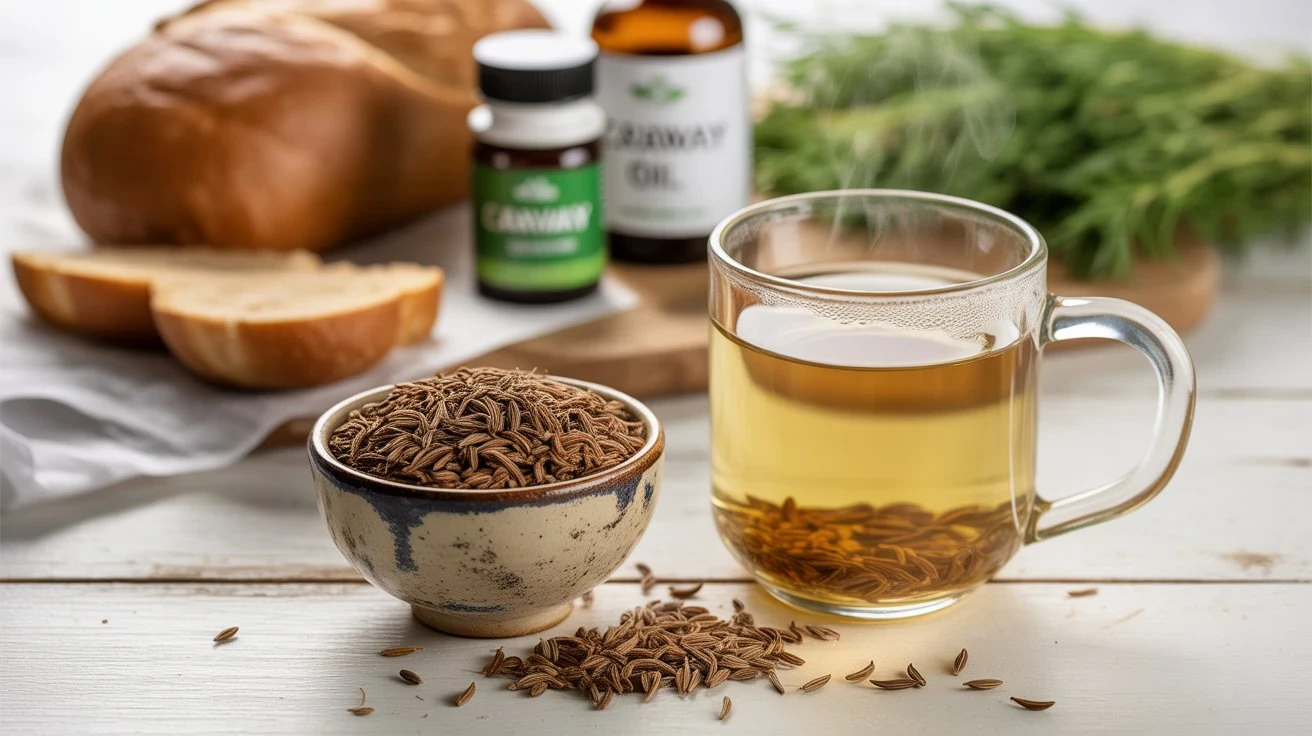
Beyond supplements, fenugreek can be a flavorful and therapeutic addition to daily meals. Soaking one teaspoon of seeds overnight in a glass of water and drinking the water (and chewing the seeds) on an empty stomach in the morning is a popular traditional practice. The soaked or lightly toasted seeds can be added to salads, stir-fries, or dals. Fenugreek leaves, known as methi, are also a nutritious leafy green used extensively in South Asian cuisine. A simple and effective method is to brew fenugreek tea by steeping one teaspoon of seeds in a cup of hot water for 5-10 minutes
Important Considerations and Potential Side Effects
While fenugreek is generally recognized as safe, it is a potent herb with physiological effects, and certain precautions are necessary
Common Side Effects and Interactions
The most frequently reported side effects are gastrointestinal, such as mild bloating or gas, as the body adjusts to the high fiber content. Fenugreek has a strong, maple-syrup-like aroma that can cause body odor or sweat to smell sweet. Due to its potent effects on blood sugar, individuals taking diabetes medication must use fenugreek with extreme caution and under medical supervision, as it can potentiate the effects of the drugs and lead to hypoglycemia. It may also interact with blood-thinning medications. Pregnant women are generally advised to avoid high doses of fenugreek as it may stimulate uterine contractions
The Holistic Picture: Fenugreek is Not a Cure-All
It is critical to frame fenugreek as a complementary support, not a standalone cure for PCOS. Its greatest benefits are likely realized when it is part of a holistic management plan that includes a balanced, anti-inflammatory diet, regular physical activity, stress management, and adequate sleep. Fenugreek can be a powerful tool within this framework, helping to manage underlying insulin resistance and thereby creating a more favorable environment for hormonal balance. However, it should not replace conventional treatments prescribed by your doctor without a thorough discussion
Frequently Asked Questions About Fenugreek and PCOS
How long does it take to see results with fenugreek
Hormonal and metabolic changes occur gradually. Most clinical studies observe significant improvements in insulin sensitivity and testosterone levels over a period of 8 to 12 weeks of consistent use. Patience and consistency are key
Can fenugreek help with PCOS-related weight loss
Fenugreek can support weight management indirectly. By improving insulin sensitivity, it can help reduce the intense cravings and constant hunger often driven by blood sugar swings. The high fiber content also promotes a feeling of fullness (satiety), which can lead to a natural reduction in calorie intake
Is it better to take fenugreek seeds or supplements
Both can be effective. Whole seeds offer the benefit of additional fiber and are integrated into food. Supplements (capsules/extracts) provide a standardized, convenient, and concentrated dose without the strong taste. The choice depends on personal preference, convenience, and the advice of your healthcare provider
An Ancient Seed for a Modern Condition
Fenugreek seed emerges from the annals of traditional medicine not as a magical cure, but as a scientifically-substantiated functional food with significant potential for managing PCOS. Its dual-action approach—directly targeting insulin resistance and indirectly lowering testosterone—aligns perfectly with the core pathophysiology of the syndrome. While it demands respect for its potency and requires professional guidance for safe use, it represents a promising, evidence-backed natural intervention. For women navigating the complex challenges of PCOS, fenugreek may well be a valuable piece of the puzzle, helping to pave the way toward improved metabolic health, restored hormonal harmony, and a better quality of life