Jewish Folk Remedies for the Common Cold: Ancient Wisdom, Modern Science
Jewish Folk Remedies for the Common Cold: Ancient Wisdom, Modern Science
For millennia, Jewish communities across the globe have cultivated a rich heritage of wellness practices, seamlessly blending faith, food, and family into a unique approach to health. When the common cold strikes with its familiar chorus of sniffles, coughs, and fatigue, this tradition offers a treasure trove of time-honored remedies that have been passed down through generations. Far from being mere old wives' tales, these practices represent a profound, holistic understanding of the body's innate healing capabilities. This article delves into the most cherished Jewish folk remedies for cold and flu symptoms, examining them through a dual lens: one of cultural reverence and the other of modern scientific inquiry. We will explore how a bowl of chicken soup earned its nickname as "Jewish Penicillin," and how other simple, kitchen-based interventions can provide genuine comfort and support the immune system's work
The Pillars of Jewish Wellness: Mind, Body, and Spirit
Jewish approaches to healing have always viewed health as a balance between the physical, emotional, and spiritual self. This holistic framework is essential for understanding its cold remedies
The Sanctity of Rest and Community
A fundamental tenet in Jewish law and custom is Pikuach Nefesh, the principle that preserving human life overrides almost any other religious rule. This extends to the imperative of caring for one's health. When ill, rest is not just recommended; it is a religious duty. This aligns perfectly with modern medicine, which confirms that sleep is critical for immune function, allowing the body to produce cytokines, proteins that help fight infection. Furthermore, the value of community (Kehillah) means that caring for the sick is a collective responsibility. The act of bringing food and comfort to someone who is unwell provides psychological support, which in turn can positively influence physical recovery by reducing stress hormones
Food as Medicine: Nourishment and Symbolism
In Jewish culture, food is more than sustenance; it is imbued with meaning and healing potential. The concept of a refuah shleimah—a complete recovery—is often supported with specific, nourishing foods believed to strengthen the body. This "food pharmacy" is not based on superstition but on generations of observational wisdom about which foods provide comfort, ease symptoms, and promote strength during illness. These remedies prioritize easily digestible, nutrient-dense foods that support the body's energy-intensive task of fighting a viral invader
Deconstructing "Jewish Penicillin": The Science of Chicken Soup
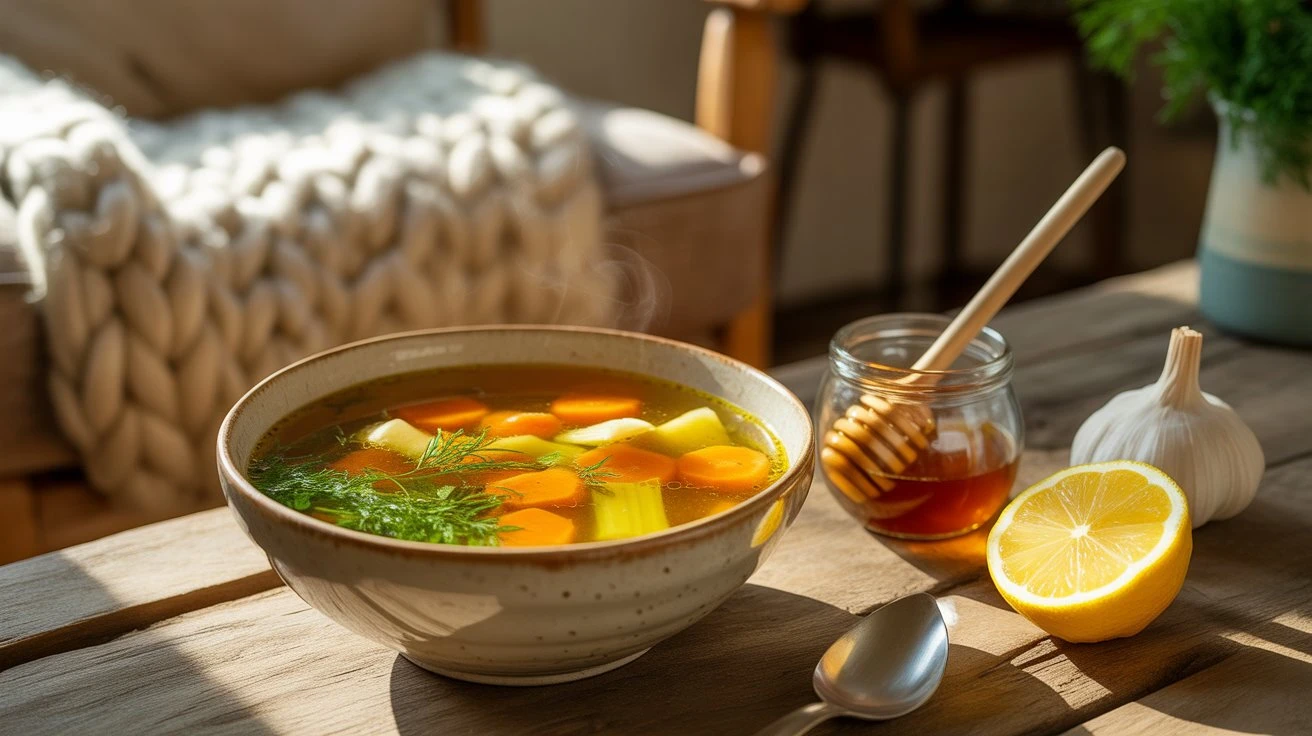
The most iconic of all Jewish cold remedies is chicken soup, a golden-hued broth that has comforted countless individuals. Its reputation is not just sentimental; it is backed by physiological science
Anti-inflammatory and Hydrating Properties
A landmark study published in the journal Chest examined chicken soup's effects on respiratory inflammation. Researchers found that the soup could inhibit the movement of neutrophils, the most common type of white blood cell that migrates to sites of inflammation. By slowing these cells, the soup may modestly reduce the inflammatory activity in the upper airways that causes cold symptoms like congestion and sore throat. Furthermore, the warm liquid acts as a superb hydrant, combating the dehydration that can accompany fever and mucus production. The steam from the soup also helps to moisten and loosen thick mucus in the nasal passages and lungs, providing relief from congestion
Nutritional Synergy in the Bowl
The power of chicken soup lies in its synergistic combination of ingredients. The chicken itself provides protein and the amino acid cysteine, a compound that bears a chemical resemblance to the drug acetylcysteine, a known mucolytic (mucus-thinning) agent. The vegetables—carrots, celery, onions, and parsnips—contribute a range of vitamins, antioxidants, and flavonoids that support immune cell function. The slow-cooking process extracts these nutrients into the broth, creating an easily absorbed, nutrient-rich liquid that requires minimal energy to digest, allowing the body to focus its resources on immune defense
Beyond the Soup: Other Potent Traditional Remedies
The Jewish cold-care arsenal extends well beyond chicken soup, featuring other powerful, natural ingredients
Garlic, Honey, and Lemon: A Soothing Trifecta
A common remedy involves a tea made from crushed raw garlic, honey, and lemon juice mixed into hot water. Each component plays a vital role. Garlic contains allicin, a compound with well-documented antimicrobial and immune-boosting properties. A scientific review of studies concluded that garlic supplementation can help prevent and reduce the severity of common illnesses. Raw, unpasteurized honey offers its own antimicrobial activity, while its thick, viscous texture provides a soothing coating for an irritated throat. The lemon juice adds a dose of vitamin C and bioflavonoids, which can help support the immune system and improve the taste of the potent mixture
Salt Water Gargle and Herbal Teas
The simple salt water gargle is a staple in many households for managing a sore throat. The science is straightforward: the hypertonic salt solution helps draw excess fluid out of the inflamed throat tissue, reducing swelling and pain. It can also help flush out viruses and bacteria from the mouth and throat. Similarly, sipping on warm herbal teas, such as ginger tea for its anti-nausea and anti-inflammatory effects or chamomile tea for its calming and antioxidant properties, aligns with the principle of using warm liquids to provide comfort and physiological support
Frequently Asked Questions About Traditional Cold Remedies
Are these remedies a substitute for modern medicine
Are these remedies a substitute for modern medicine
No, they are complementary. These traditional practices are excellent for providing symptom relief, supporting comfort, and bolstering the immune system. However, for severe symptoms, high fever, or if you have a compromised immune system, it is essential to consult a healthcare professional. They are a form of supportive care, not a replacement for medical diagnosis or treatment when necessary
Can these remedies prevent a cold
While they cannot guarantee prevention, the lifestyle they promote—a nutrient-rich diet, adequate rest, and stress management—creates a foundation for a robust immune system, which is the best defense against any infection. A strong immune system is better equipped to fight off viruses it encounters
Is there a specific recipe for "Jewish Penicillin
While every family has its own cherished recipe, the core ingredients remain consistent: a whole chicken, onions, carrots, celery, parsnips, dill, and salt. The key is a long, slow simmer to fully extract the flavors and nutrients from the bones and vegetables. The result should be a rich, golden, and deeply flavorful broth
Wisdom for Wellness, Then and Now
The Jewish tradition of cold care offers a timeless and deeply intelligent approach to healing. It is a system that understands illness not as an isolated event, but as a disruption to the whole person. By prescribing nutrient-dense foods like chicken soup, harnessing the antimicrobial power of garlic and honey, and mandating sacred rest, it provides a holistic protocol that modern science continues to validate. These remedies succeed because they are gentle, supportive, and work in harmony with the body's own healing processes. In embracing this ancient wisdom, we find not only relief for our symptoms but also a comforting connection to a generations-old legacy of care, community, and the profound healing power of a nourishing meal