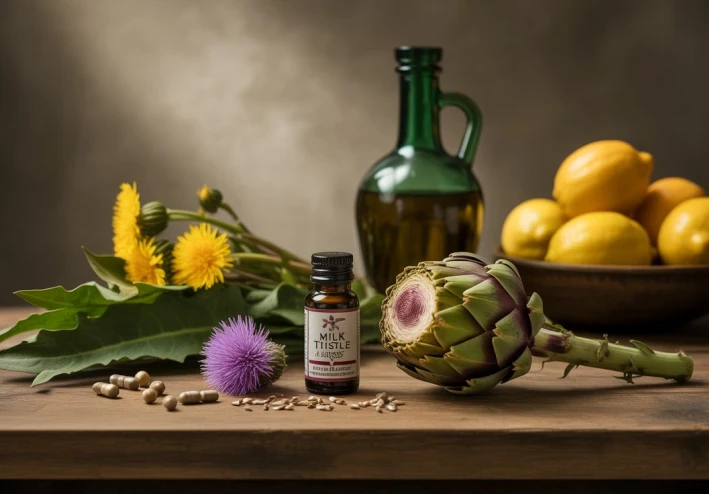
Natural Antimicrobials: Examining Kitchen Remedies for Stomach Bacteria
Natural Antimicrobials: Examining Kitchen Remedies for Stomach Bacteria

The quest for a healthy gut has led many to look beyond the medicine cabinet and into the kitchen pantry. Across cultures, grandmothers and healers have passed down "secret" recipes and potent tonics, claiming they can soothe the stomach and fight off unwanted microbes. In an age of increasing antibiotic resistance and a desire for holistic wellness, these traditional remedies are experiencing a powerful resurgence. But can a clove of garlic or a spoonful of raw honey truly stand up to problematic stomach bacteria? This article delves deep into the science behind the most celebrated natural antimicrobials, moving beyond anecdotal claims to examine the rigorous research that explains how these everyday ingredients can support a balanced gut microbiome and contribute to digestive wellness
Understanding Stomach Bacteria: The Ecosystem Within
Before evaluating the remedies, it's crucial to understand the complex battlefield of the gut. The stomach and digestive tract are home to trillions of microorganisms, collectively known as the gut microbiome
The Good, The Bad, and The Necessary
A healthy gut is not sterile; it's a balanced ecosystem. Beneficial bacteria, often called probiotics, are essential for digestion, vitamin synthesis, and immune function. The problem arises when potentially harmful bacteria, such as Helicobacter pylori (H. pylori) or certain strains of E. coli, overgrow and disrupt this balance. H. pylori, in particular, is a well-studied bacterium linked to stomach ulcers and gastritis. The goal of any antimicrobial intervention, natural or pharmaceutical, is not to sterilize the gut but to suppress pathogenic overgrowth and allow the beneficial flora to thrive, thereby restoring equilibrium
The Challenge of the Gastric Environment
The stomach is a uniquely hostile environment, designed to break down food with potent hydrochloric acid. For any substance to be effective against stomach bacteria, it must survive this acidic journey and reach its target in an active form. This is a significant hurdle that many natural compounds cannot reliably overcome, which is why the dosage, form, and combination of these remedies are critical to their potential efficacy
The Scientific Arsenal: Nature's Potent Antimicrobials
Certain kitchen staples possess well-documented bioactive compounds that have been studied for their ability to inhibit microbial growth
Garlic: The Power of Allicin
Garlic is arguably the most powerful natural antimicrobial in the culinary world. Its potency lies in a compound called allicin, which is formed when a garlic clove is crushed or chopped. Allicin is a broad-spectrum antimicrobial, meaning it can inhibit the growth of a wide range of bacteria, fungi, and viruses. Numerous in-vitro (test tube) studies have demonstrated that allicin is effective against H. pylori strains, including some that are resistant to conventional antibiotics. The key to unlocking garlic's power is proper preparation: crushing raw garlic and allowing it to sit for 10-15 minutes before consumption gives the enzymes time to create the maximum amount of allicin
Raw Honey and Apple Cider Vinegar: A Synergistic Duo
Raw, unpasteurized honey has been used to treat wounds and infections for thousands of years, and for good reason. Its antimicrobial properties are threefold: it has a low water content that dehydrates bacteria, it is naturally acidic, and it contains hydrogen peroxide and other phytochemicals like methylglyoxal (MGO) in Manuka honey. Studies have shown that certain types of honey can inhibit the growth of H. pylori. Similarly, apple cider vinegar, being acidic, creates an environment that is less hospitable to many pathogens. When combined, a tonic of warm water, raw honey, and apple cider vinegar can serve as a soothing, potentially inhibitory drink. However, its effects are likely more supportive than curative for an established infection
Cabbage Juice: The Unexpected Ulcer Healer
One of the most fascinating "old kitchen secrets" is the use of fresh cabbage juice for stomach ulcers
Historical Use and Modern Validation
Before the discovery of H. pylori and the development of modern anti-ulcer drugs, doctors in the mid-20th century sometimes prescribed fresh cabbage juice to ulcer patients with remarkable success. A landmark study published in the 1950s found that patients drinking fresh cabbage juice healed their peptic ulcers significantly faster than those who did not
The "Vitamin U" Phenomenon
The healing factor in cabbage is often attributed to a compound nicknamed "Vitamin U" (S-methylmethionine). Cabbage is also rich in glutamine, an amino acid that is a primary fuel source for the cells lining the stomach and small intestine, helping to repair and maintain a healthy gut barrier. Furthermore, cabbage contains potent antioxidants that can help reduce inflammation in the gastric lining. While it may not directly kill bacteria like garlic, its role in strengthening the stomach's own defense mechanisms is a powerful therapeutic strategy
A Practical Guide to Using Natural Antimicrobials Safely
Incorporating these foods requires a strategic and cautious approach to maximize benefits and minimize risks
Dietary Integration and Remedial Tonics
The safest way to use these ingredients is as part of a regular, balanced diet. Add raw, crushed garlic to salad dressings, hummus, or drizzle it over cooked vegetables just before serving. Incorporate a daily spoonful of high-quality raw honey. For a more targeted approach, a morning tonic of warm water with a teaspoon of raw honey and a teaspoon of apple cider vinegar can be beneficial. Fresh cabbage juice can be made using a juicer; start with a small glass (about 100ml) daily before a meal. The taste can be strong, so mixing it with a green apple or carrot juice can make it more palatable
Critical Safety Considerations and Limitations
It is imperative to understand the boundaries of these remedies. They are best used for general gut health support or as a complementary approach alongside conventional treatment. They are not a substitute for medical diagnosis or prescription antibiotics for a confirmed bacterial infection like H. pylori. Self-treating a serious infection can lead to complications, including perforated ulcers. Always consult a healthcare professional before starting any new health regimen, especially if you have a diagnosed digestive condition, are taking medications (particularly blood thinners, as garlic can have a mild blood-thinning effect), or are pregnant
Frequently Asked Questions About Natural Stomach Remedies
Can I use these remedies to cure an H. pylori infection
While the compounds in these foods show anti-H. pylori activity in laboratory settings, there is insufficient evidence to recommend them as a standalone cure for a clinical infection. The current gold standard for eradicating H. pylori is a combination of prescribed antibiotics and acid-reducing medications under a doctor's supervision
How long does it take to see results
For general digestive comfort and as a supportive measure, you may notice subtle improvements within a few weeks of consistent use. For more significant issues, patience is key, and it may take several months of a dedicated dietary overhaul to see a notable change in gut health
Are there any side effects
Yes. Raw garlic can cause heartburn or stomach irritation in some individuals. Large amounts of cabbage can lead to gas and bloating due to its high fiber and FODMAP content. Apple cider vinegar, being acidic, can erode tooth enamel if consumed undiluted and may irritate the throat. Always use these substances diluted and in moderation
Empowering Wisdom with Knowledge
The "old kitchen secrets" for a healthy stomach are far more than just folklore; they are a testament to generations of intuitive wisdom that is now being validated by science. Garlic, honey, cabbage, and apple cider vinegar are not magic bullets, but they are powerful, functional foods that can play a significant role in a holistic approach to gut health. By understanding their mechanisms, respecting their limitations, and using them wisely alongside modern medicine, we can harness the best of both worlds to cultivate a resilient and balanced digestive system