Caraway Seeds for Bloating and Gas: A Science-Backed Guide to Digestive Relief
Caraway Seeds for Bloating and Gas: A Science-Backed Guide to Digestive Relief
That uncomfortable, bloated feeling after a meal—the tightness, the gas, the sluggishness—is a universal sign of digestive distress. In our search for relief, we often overlook the potent remedies sitting in our spice cabinet. Among them, the humble caraway seed (Carum carvi) stands out, not as a new superfood, but as a time-tested digestive champion with a legacy spanning millennia. From the bustling markets of the ancient Middle East to the cozy kitchens of modern Europe, caraway has been the secret weapon against heavy meals and uneasy stomachs. But is this more than just folk wisdom? Modern science is now confirming what traditional healers long knew: caraway seeds are a powerful, natural solution for bloating, gas, and functional digestive disorders. This article delves into the compelling biochemistry and clinical evidence that explains how this tiny seed can bring significant comfort and restore digestive harmony
The Digestive Dilemma: Understanding Bloating and Gas
To appreciate how caraway seeds work, we must first understand the common causes of bloating and gas. These symptoms are often the result of complex digestive processes gone slightly awry
Fermentation and Motility
Bloating and gas primarily occur due to two interconnected issues: excessive gas production and impaired gut motility. When we eat, gut bacteria ferment undigested carbohydrates in the large intestine, producing gases like hydrogen, carbon dioxide, and methane. This is a normal process, but it can become excessive with certain foods or if food transit is too slow. Simultaneously, poor motility—the sluggish movement of food through the digestive tract—can allow gas to build up and cause distension and discomfort. This sluggishness is a hallmark of conditions like functional dyspepsia (indigestion) and irritable bowel syndrome (IBS)
The Gut-Muscle Connection
The digestive tract is lined with smooth muscles that contract in wavelike motions (peristalsis) to push food along. When these contractions are weak or uncoordinated, digestion stalls. Furthermore, spasms in these muscles can cause cramping and pain, trapping gas in specific sections of the intestine. An effective digestive remedy doesn't just mask symptoms; it addresses these underlying issues of gas production, motility, and muscle spasms. This is precisely the multi-targeted approach that caraway seeds offer
The Science of Caraway: How a Tiny Seed Soothes the Gut
Caraway seeds are a rich source of bioactive compounds, primarily volatile oils, that work synergistically to calm the digestive system
The Power of Carvol and Carvene
The primary active components in caraway essential oil are carvol and carvene. These compounds are classified as carminatives, meaning they help expel gas from the intestines and relieve flatulence. They achieve this through a dual mechanism. First, they have antispasmodic properties, meaning they can relax the smooth muscles of the gastrointestinal tract. A study published in the journal Phytomedicine demonstrated that caraway oil effectively reduced spasms in intestinal tissue, which can alleviate cramping and allow trapped gas to pass more easily. This relaxation also helps to normalize peristalsis, addressing the issue of sluggish motility
Stimulating Bile and Combating Microbes
Beyond their carminative action, caraway seeds act as a cholagogue, stimulating the liver to produce more bile. Bile is essential for the efficient emulsification and digestion of dietary fats. Improved fat digestion means less undigested material reaches the colonic bacteria, thereby reducing the substrate available for excessive gas production. Additionally, caraway exhibits antimicrobial properties. Research has shown that its essential oil can inhibit the growth of certain gas-producing and potentially pathogenic bacteria in the gut, such as E. coli and H. pylori, while sparing beneficial flora. This helps to rebalance the gut microbiome for long-term digestive health
Clinical Evidence: Caraway Seeds in Modern Medicine
The traditional use of caraway is strongly supported by clinical research, particularly for common and complex digestive disorders
Proven Efficacy for Functional Dyspepsia and IBS
Caraway seed oil is a key component in several well-studied herbal preparations, often combined with peppermint oil. A significant body of research has focused on its use for functional dyspepsia, a condition characterized by persistent upper abdominal pain, bloating, and early satiety. A large, multi-center clinical trial found that a combination of caraway and peppermint oil was significantly more effective than a placebo in reducing the frequency and intensity of dyspeptic pain and bloating. Similar studies involving patients with irritable bowel syndrome (IBS) have shown that the same combination leads to a global improvement in symptoms, including reduced abdominal pain and bloating, with a favorable safety profile
Superiority Over Placebo in Bloating Relief
The evidence is not limited to combination products. Studies examining caraway oil on its own have also yielded positive results. In one randomized, double-blind trial, patients taking caraway oil capsules reported a significant reduction in feelings of fullness, pressure, and bloating compared to those in the placebo group. Researchers attribute this directly to caraway's ability to enhance gastric emptying and relax the pyloric valve (the opening from the stomach to the small intestine), which facilitates the smoother passage of food and prevents the buildup of pressure and gas
A Practical Guide to Using Caraway Seeds
Integrating caraway seeds into your routine is simple and can be done in several delicious and effective ways
Culinary Integration and Caraway Tea
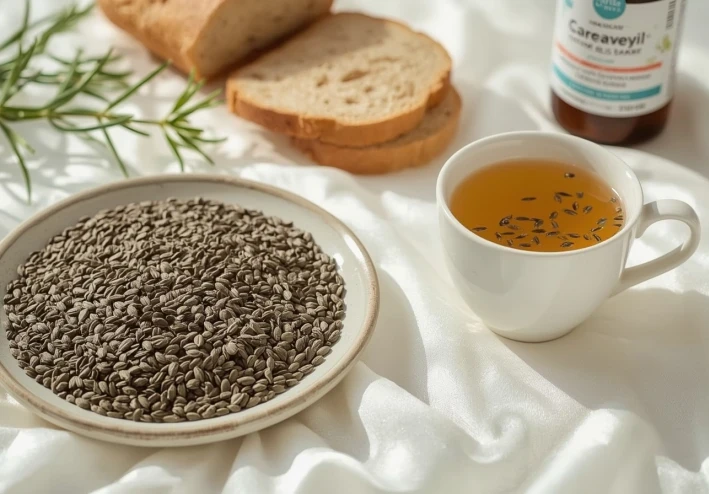
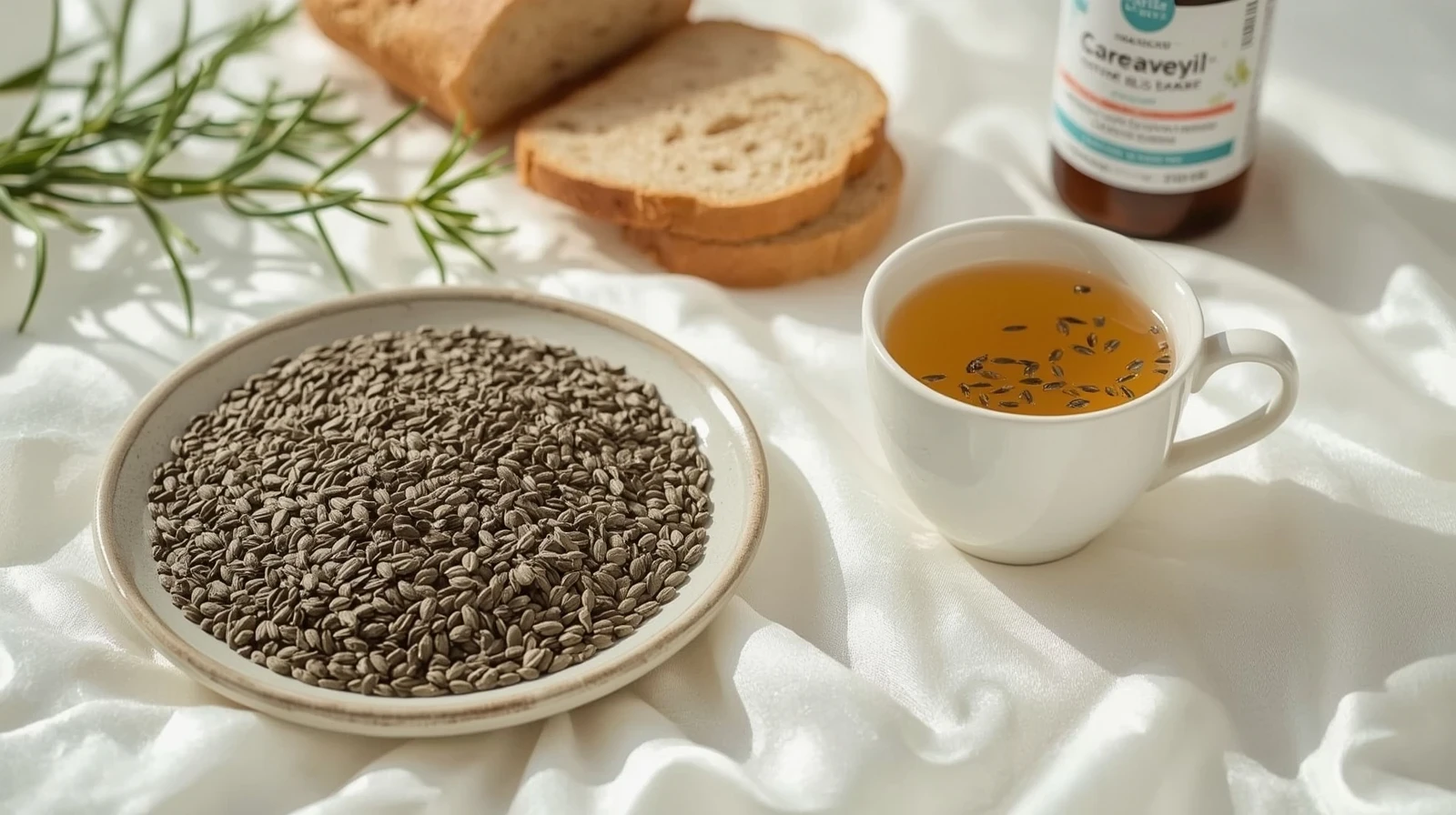
The easiest method is to use caraway seeds as a culinary spice. Their warm, slightly sweet, and peppery flavor is a classic addition to rye bread, sauerkraut, soups, stews, and roasted vegetables like carrots and cabbage. For direct therapeutic benefits, caraway tea is excellent. To make it, lightly crush one teaspoon of caraway seeds to release their oils, then steep them in a cup of freshly boiled water for 5-10 minutes. Strain and drink this tea 20 minutes before or after a meal to prevent and relieve bloating and gas
Dosage, Supplements, and Important Safety Tips
For standardized dosing, caraway seed oil is available in enteric-coated capsules, which ensure the oil is released in the intestines and not the stomach. A typical dosage used in studies ranges from 50 to 100 mg of caraway oil, often taken twice daily. While caraway seeds in food amounts are very safe for most people, concentrated oil supplements should be used with caution. Pregnant and breastfeeding women should avoid therapeutic doses due to a lack of safety data. Individuals with gallstones should consult a doctor before use, as the cholagogue effect could potentially trigger a gallbladder attack. As with any supplement, it is best to seek advice from a healthcare professional before starting a new regimen
Frequently Asked Questions About Caraway Seeds
Can I use ground caraway instead of whole seeds
Yes, ground caraway can be used in cooking. However, for making tea, whole seeds that you crush yourself are preferable, as the volatile oils remain more intact than in pre-ground powder, which loses potency faster
How quickly will I feel the effects
For acute relief from gas and bloating after a meal, a cup of caraway tea can provide relief within 30-60 minutes. For chronic conditions like functional dyspepsia, it may take 2-4 weeks of consistent use to experience a significant and sustained reduction in symptoms
Are caraway seeds the same as cumin or fennel
No, they are distinct spices, though they are all in the Apiaceae family and share some digestive benefits. Caraway has a more anise-like, sharp flavor compared to the earthy warmth of cumin and the sweet, licorice notes of fennel. While all are carminative, their specific phytochemical profiles and strengths differ
A Time-Tested Treasure for Digestive Ease
Caraway seeds represent a perfect synergy of culinary tradition and scientific validation. They are not a magic bullet, but a powerful, natural, and multifaceted tool for addressing the root causes of bloating and gas. By relaxing digestive muscles, stimulating bile flow, and modulating gut bacteria, they offer a comprehensive approach to relief. Whether sprinkled on your food, steeped in a comforting tea, or taken in a standardized supplement, this ancient spice provides a safe and effective strategy to soothe your stomach, calm digestive turmoil, and finally enjoy meals without the dreaded aftermath of discomfort