The Pharmacist in Your Pantry: Why We Should Dose Food Like Medicine
The Pharmacist in Your Pantry: Why We Should Dose Food Like Medicine
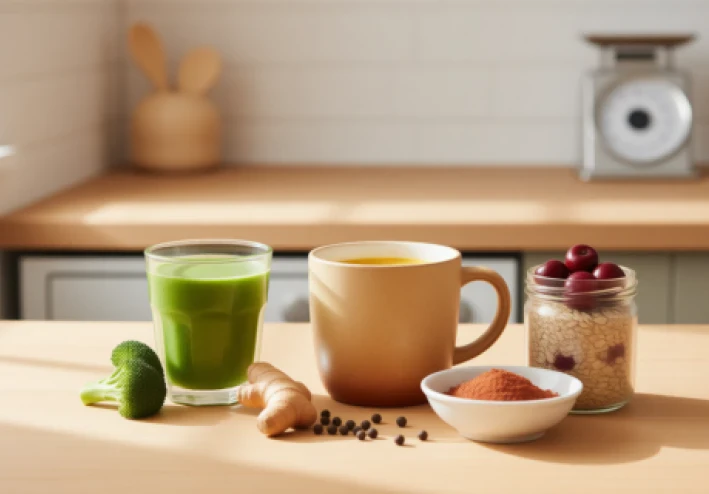
You would never take a prescription drug without knowing the dose, timing, or whether to take it with food. Yet, we give ourselves wildly imprecise nutritional "prescriptions" every day. "Eat more anti-inflammatory foods," we're told. But is that one serving of broccoli or three? Should it be raw or cooked? Eaten alone or with fat? The result of this vagueness is a trial-and-error approach to wellness that leaves countless people frustrated, wondering why their "healthy" diet isn't delivering results
A revolution is brewing at the intersection of nutrition and pharmacology. It’s called nutritional pharmacokinetics—the study of how the body absorbs, distributes, metabolizes, and eliminates the bioactive compounds in our food. This article argues that to unlock food's true healing potential, we must start treating it with the same respect and precision we afford pharmaceuticals. It's time to learn how to dose your food
Why "Food as Medicine" Needs a Dosage Manual
Food is the most complex chemical intervention we engage in daily. A single blueberry contains hundreds of bioactive compounds. Yet, our approach remains crude. We think in terms of "servings," a unit that tells us nothing about the concentration of active ingredients or how our body will use them
Consider two powerful food compounds
Curcumin from turmeric: A potent anti-inflammatory, but notoriously poorly absorbed
Sulforaphane from broccoli sprouts: A powerful antioxidant that activates cellular defense pathways
Telling someone to "eat turmeric and broccoli" is like a doctor saying, "Take some anti-inflammatory and detox pills." It's not wrong, but it's not actionable or optimized. Without guidance on dosing and bioavailability, the therapeutic effect is left to chance
The Four Pillars of Food Dosing
To dose food effectively, we must apply the same pillars used in pharmacology
1. Bioavailability: Is the Active Compound Getting In?
This is the fraction of a nutrient that enters your circulation to have an active effect. It's where most "food as medicine" advice falls apart
The Curcumin Case: Alone, curcumin's bioavailability is very low. However, combine it with piperine (from black pepper), and absorption increases by up to 2,000%. The Dose: ¼ teaspoon of turmeric with a crack of black pepper
The Fat-Soluble Rule: Vitamins A, D, E, K, and compounds like lycopene (in tomatoes) require fat for absorption. The Dose: Eat your spinach salad with olive oil, cook tomatoes in avocado oil
2. Timing & Half-Life: When and How Often to "Dose"
The therapeutic window of food compounds varies drastically
Nitrates for Performance (from beetroot, spinach): Their effect peaks 2-3 hours after consumption. The Dose: A concentrated shot of beetroot juice 2.5 hours before a workout, not at breakfast for an evening session
Caffeine & L-Theanine (from tea): Caffeine has a 5-6 hour half-life. L-Theanine promotes calm focus. The Dose: A cup of high-quality green tea (not coffee) mid-morning for sustained, jitter-free energy, avoiding disruption of evening sleep architecture
3. Synergy: The "Drug" Interactions on Your Plate
Food compounds work in networks, not in isolation
Vitamin C & Plant-Based Iron: Vitamin C (from bell peppers, citrus) converts non-heme iron (from spinach, lentils) into a form that is 2-3 times more absorbable. The Dose: Add a squeeze of lemon to your lentil soup
Myrosinase Activation for Sulforaphane: The enzyme myrosinase, which converts glucoraphanin in broccoli into active sulforaphane, is deactivated by heat. The Dose: Chop raw broccoli or broccoli sprouts and let them sit for 40 minutes before eating (to allow conversion), or add a pinch of powdered mustard seed (a potent myrosinase source) to cooked broccoli
4. Individualization: Your Unique "Metabolic Signature"
A standard dose doesn't fit all. Factors like genetics, gut health, and existing microbiome determine your response
The Salt-Sensitive Gene: Variations in the ACE gene can make some people more sensitive to the blood pressure effects of sodium. The Dose: If you have hypertension and a family history, your "dose" of added salt may need to be far lower than general guidelines
The Gut Converter: Your ability to produce beneficial compounds like equol from soy or urolithin A from pomegranates depends entirely on your unique gut bacteria
Your Precision Nutrition Starter Protocol
Here is a simple, actionable framework to begin dosing three key food "medicines."
1. For Systemic Inflammation: The Enhanced Golden Milk Protocol
Active Ingredient: Curcumin
Dose & Formula: 1 tsp turmeric powder + 1/8 tsp black pepper (piperine) + 1 tbsp coconut oil (fat) + 1 cup warm milk (or plant milk)
Timing: With an evening meal. The fat enhances absorption, and taking it with food minimizes any chance of stomach upset. The anti-inflammatory effects support overnight recovery
2. For Cellular Detox & Antioxidant Defense: The Activated Broccoli Sprout "Shot"
Active Ingredient: Sulforaphane
Dose & Formula: 1 cup raw, chopped broccoli sprouts + a pinch of mustard seed powder (myrosinase source) + a dash of lemon juice (stabilizes the compound). Blend with water
Timing: In the morning on an empty stomach for maximum cellular signaling impact. Consume immediately after blending
3. For Stress Resilience & Sleep Support: The Magnesium-Reishi Nightcap
Active Ingredients: Magnesium glycinate & Reishi mushroom triterpenes
Dose & Formula: 1 cup warm tart cherry juice (natural melatonin source) mixed with 1 tsp Reishi mushroom powder and a dash of magnesium glycinate powder (consult a doctor for magnesium dose)
Timing: 60 minutes before bed. The magnesium supports muscle relaxation and GABA production, while Reishi modulates the stress-response system
From Random Eating to Rational Nourishment
Adopting the principles of nutritional pharmacokinetics does not mean turning your kitchen into a pharmacy or your life into a lab experiment. It means moving from random consumption to rational nourishment. It's about replacing vague hopes with informed actions
By understanding bioavailability, timing, synergy, and individualization, you transform your diet from a background noise of general wellness into a targeted, therapeutic symphony. You stop asking, "Is this food good for me?" and start asking, "What is the optimal dose, form, and time for this food to achieve my specific health goal?"
This is the future of personalized nutrition: where we respect the profound power of food enough to learn its language and use it with intention. You are both the patient and the pharmacist. Your pantry is your dispensary. It’s time to start practicing with precision
FAQs: Your Food Dosing Questions Answered
Q1: Isn't this overly complicated? Shouldn't eating be simple
A: The goal is strategic simplicity, not complexity. It’s about making a few key, high-impact upgrades to habits you already have. Adding black pepper to turmeric or chopping broccoli ahead of time adds seconds to your routine but can multiply the benefits exponentially. It’s the opposite of restrictive dieting—it’s about intelligent enhancement
Q2: Do I need to weigh and measure everything now
A: No. This is not about counting milligrams with scientific precision. It’s about moving in the right direction with informed estimates. A "teaspoon," a "pinch," and "eating with a source of fat" are practical, achievable concepts. It’s a mindset shift more than a measuring shift
Q3: How is this different from taking supplements
A: Whole food dosing prioritizes the food matrix—the natural, synergistic package of fiber, co-factors, and thousands of complementary compounds that you cannot replicate in a pill. The goal is to maximize the effect of the whole food, using preparation and pairing as your tools. Supplements have their place, but they are not a substitute for this foundational approach
Q4: Can I apply this if I have a specific medical condition
A: Absolutely, but with one crucial caveat: Consult your doctor or a registered dietitian. This approach can powerfully complement medical treatment. For example, a cancer patient using the broccoli sprout protocol or someone with arthritis optimizing curcumin absorption should do so in full collaboration with their healthcare team to ensure it supports, rather than interferes with, their care plan
Q5: What's the single most important dosing principle to start with
A: Enhance Bioavailability with Fat and Spices. This is the easiest win. Immediately, start adding a healthy fat (olive oil, avocado, nuts) to your vegetables and a pinch of black pepper to turmeric or ginger-based dishes. This one practice will significantly increase your absorption of a vast array of critical, fat-soluble and piperine-enhanced nutrients