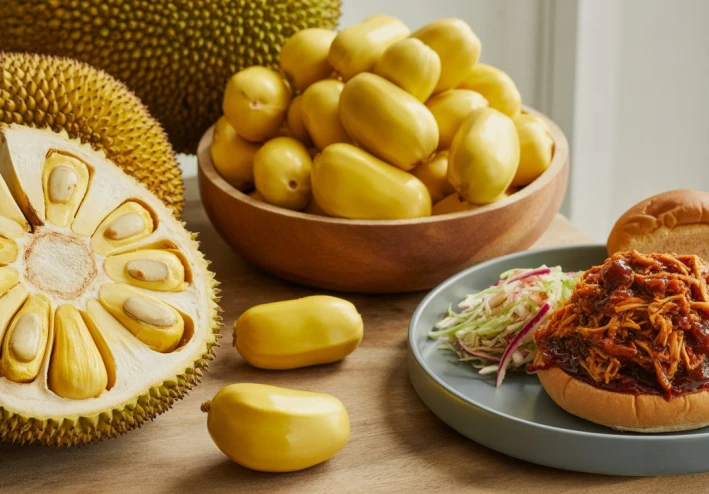
Jackfruit: The Gigantic Superfood Rewriting the Rules of Nutrition & Sustainability
Jackfruit: The Gigantic Superfood Rewriting the Rules of Nutrition & Sustainability
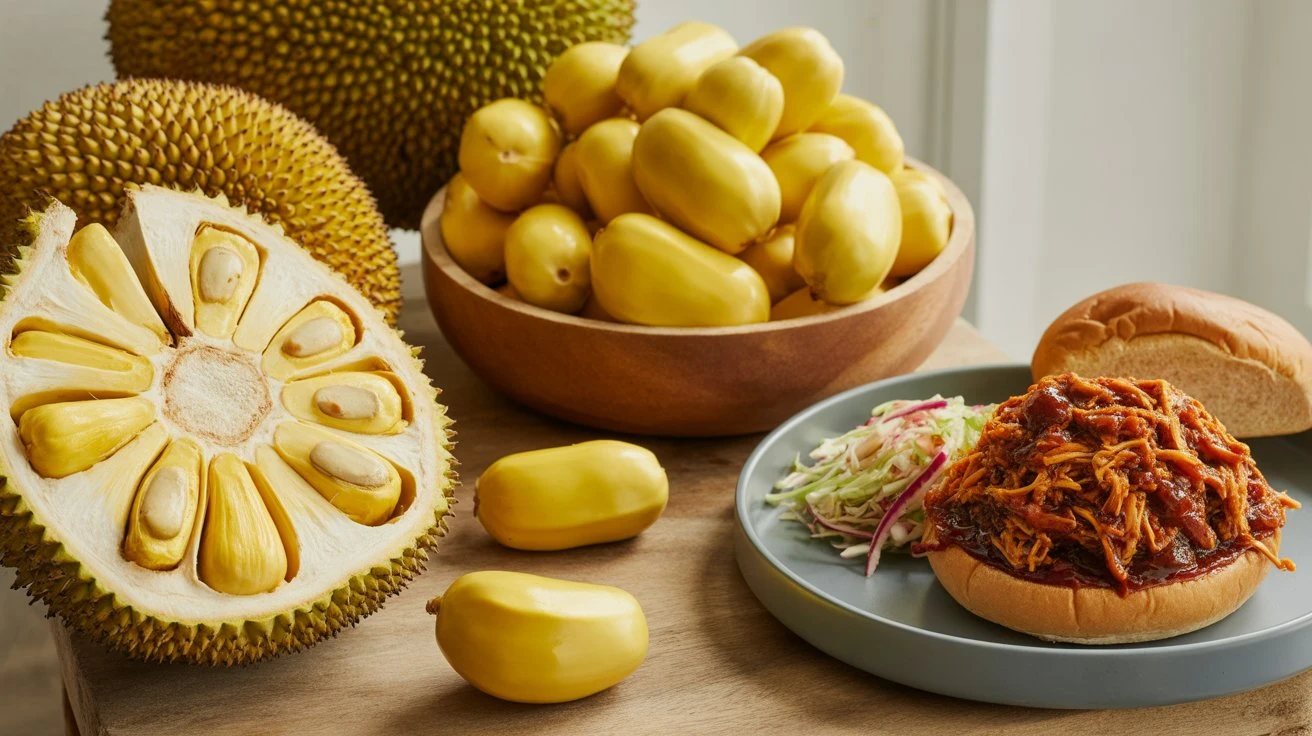
In the dense canopies of tropical forests grows a silent giant that could reshape how we think about food, medicine, and sustainability. Jackfruit (Artocarpus heterophyllus), often weighing over 80 pounds with a spiked armor-like skin, is no ordinary fruit. For centuries, it has been a staple across South and Southeast Asia, but only now is the Western world awakening to its extraordinary potential
This isn't just another exotic fruit to try once. Jackfruit represents a triple-threat solution to modern dilemmas: a nutritional powerhouse with a meat-like texture for plant-based diets, a repository of traditional healing compounds, and an environmentally resilient crop that can feed communities with minimal resources. As we face interconnected crises of chronic disease, food insecurity, and climate change, this ancient giant offers strikingly modern answers
The Nutritional Anatomy of a Powerhouse
To understand jackfruit's value, we must look beyond its size to its sophisticated nutritional architecture
The Macronutrient Marvel
Unlike most sweet fruits, jackfruit provides a substantive, almost meaty bite. Its unique texture comes from a combination of
Complex Carbohydrates: Providing sustained energy release without blood sugar spikes when consumed in moderation
Dietary Fiber: With 3 grams per cup, it supports digestive regularity and gut microbiome diversity
Surprising Protein Content: While not protein-dense like legumes, it contains more protein than many fruits (2-3 grams per cup), contributing essential amino acids when paired with other plant proteins
The Phytochemical Pharmacy
Jackfruit's true superpower lies in its dense array of bioactive compounds
Lignans, Isoflavones, and Saponins: These phytonutrients, extensively studied for their anti-cancer and anti-inflammatory properties, are abundant in jackfruit. Research in Food Chemistry highlights their potential to inhibit cancer cell proliferation
Vitamin C and Carotenoids: A single cup provides a significant portion of the RDI for immune-boosting Vitamin C and vision-protecting carotenoids like beta-carotene and lutein
Potassium and Magnesium: Critical electrolytes for heart health, blood pressure regulation, and nerve function, making jackfruit a cardiovascular ally
The Five Transformative Health Benefits Backed by Science
The Ultimate Gut Guardian
Jackfruit acts as a prebiotic powerhouse. Its soluble fiber forms a gel-like substance that slows digestion, while its insoluble fiber adds bulk. Together, they create the ideal environment for beneficial gut bacteria to flourish. These bacteria then produce short-chain fatty acids that reduce gut inflammation and strengthen the intestinal barrier—a key factor in preventing leaky gut syndrome and systemic inflammation
The Blood Sugar Stabilizer (Despite Its Sweetness)
Here lies jackfruit's fascinating paradox. While sweet, its glycemic load is moderate when consumed properly. The fiber content slows sugar absorption, while compounds like flavonoids and carotenoids have demonstrated insulin-sensitizing effects in preliminary studies. The key is consuming it whole and fresh, not in sugary syrups, and pairing it with healthy fats or proteins
The Vision Protector
In regions where jackfruit is staple, it serves as nature's eye supplement. Its vibrant yellow flesh signals high levels of lutein, zeaxanthin, and beta-carotene—carotenoids that accumulate in the retina and filter harmful blue light. Regular consumption correlates with reduced risk of age-related macular degeneration, offering a delicious defense against the world's leading cause of blindness
The Immune System Modulator
Jackfruit's immune support is multidimensional. Vitamin C stimulates white blood cell production. The unique jacalin protein in its seeds has shown lectin activity that may modulate immune responses. Meanwhile, its antioxidants create an environment where immune cells can function optimally without oxidative interference
The Cardiovascular Fortifier
Every component supports heart health. Potassium counters sodium's hypertensive effects. Fiber binds to cholesterol in the digestive tract. Antioxidants prevent LDL cholesterol oxidation—the crucial first step in plaque formation. This three-pronged approach makes jackfruit a comprehensive cardiac-supportive food
The Sustainable Superfood Revolution
Beyond personal health, jackfruit addresses planetary concerns
The Ultimate Plant-Based Meat
Young, unripe jackfruit has a neutral taste and shredded texture remarkably similar to pulled pork or chicken. This has made it a cornerstone of the plant-based movement. Unlike resource-intensive soy or processed meat alternatives, jackfruit requires minimal processing—simply harvested, cleaned, and seasoned. Its carbon and water footprints are dramatically lower than animal proteins
The Climate-Resilient Crop
Jackfruit trees are remarkably drought-resistant once established, thriving where other crops fail. A single tree can produce 200-500 fruits annually for decades, providing food security for families. This perennial nature prevents soil erosion and maintains ecosystem continuity, making it a model for sustainable agroforestry
The Culinary Gateway: How to Embrace the Jackfruit Revolution
Incorporating jackfruit requires understanding its two personalities
For Savory Dishes (Young/Unripe Jackfruit)
Texture: Firm, meaty, neutral flavor
Preparation: Drain canned young jackfruit (in brine or water, not syrup), shred with fingers or fork, season boldly
Try: BBQ jackfruit sandwiches, "tuna" salad, curries, tacos
For Sweet Applications (Ripe Jackfruit)
Texture: Soft, juicy, tropical sweetness
Preparation: Remove pods from core, discard seeds (or roast separately)
Try: Smoothie bowls, natural sweetener in desserts, fresh snack, ice cream topping
Don't Waste the Seeds
Boiled or roasted jackfruit seeds are a nutrition-packed snack, tasting like a cross between chestnuts and potatoes. They're rich in protein, B vitamins, and resistant starch
Returning to Wisdom, Moving Forward with Innovation
Jackfruit represents something rare: a traditional food whose value increases with modern scientific scrutiny. It bridges the gap between ancestral eating patterns and contemporary nutritional needs, between personal wellness and planetary health
As we navigate the complexities of 21st-century living, solutions often appear in the most unexpected places. In the case of jackfruit, the solution hangs in clusters from resilient trees, waiting to be recognized not merely as a tropical curiosity, but as a blueprint for sustainable nourishment. By incorporating this magnificent fruit into our diets, we don't just feed our bodies—we participate in a quieter, tastier revolution that honors both tradition and progress
FAQs: Your Jackfruit Questions Answered
Q1: Is canned jackfruit as nutritious as fresh
A: For young jackfruit in savory dishes, canned (in water or brine) retains most nutrients, though some water-soluble vitamins may decrease slightly. For ripe jackfruit, fresh is superior in flavor, texture, and nutrient retention. Always check labels and avoid syrups with added sugar
Q2: Does jackfruit really taste like meat
A: Young, unripe jackfruit has the texture of shredded meat—fibrous and substantial—but a neutral flavor. It absorbs spices and sauces remarkably well, making it an excellent vehicle for barbecue, curry, or taco seasonings. The "meat-like" quality is textural, not flavor-based
Q3: Can people with latex allergies eat jackfruit
A: Use caution. Jackfruit contains compounds similar to those in latex (a condition called latex-fruit syndrome). Those with significant latex allergies may react to jackfruit. Start with a very small amount if trying for the first time and monitor for any itching, swelling, or discomfort
Q4: How do I handle and cut a whole fresh jackfruit
A: The sticky latex inside can be challenging. Oil your knife, hands, and cutting surface. Cut the fruit in half lengthwise, then into manageable sections. Remove the yellow pods, discarding the fibrous core. The seeds within the pods are edible when cooked. Many find it easier to purchase pre-cut fresh or canned jackfruit initially
Q5: Is jackfruit high in sugar and carbs
A: Ripe jackfruit is moderately high in natural sugars and carbohydrates, so portion control is important for those monitoring blood sugar. However, its high fiber content moderates the glycemic response. Young, unripe jackfruit used in savory dishes is much lower in sugars and can be incorporated more liberally into low-sugar diets