

في هذا المقال
Obesity, Diabetes, and Kidney and Heart Disease in Women: Symptoms, Risks, and the Latest Treatments
1. How do obesity, diabetes, and kidney and heart issues intertwine in women?
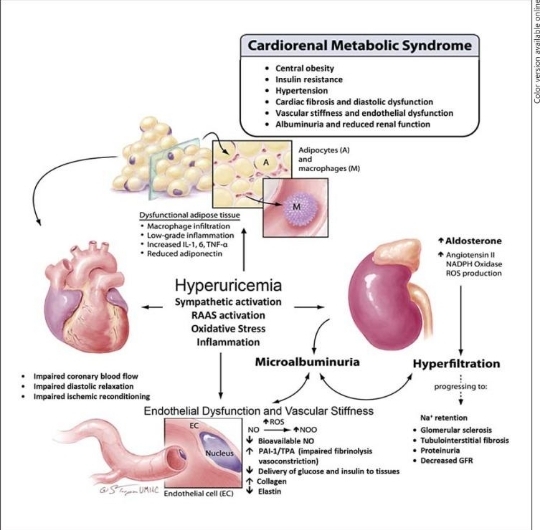
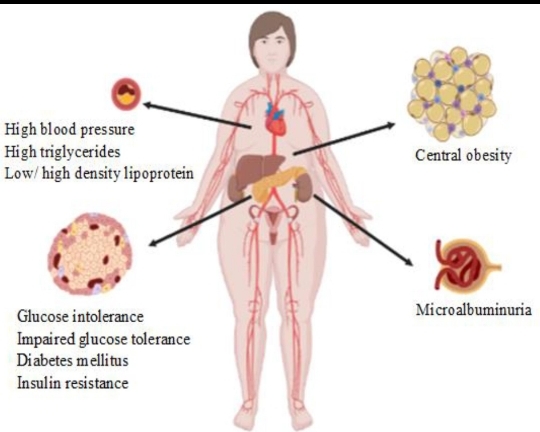
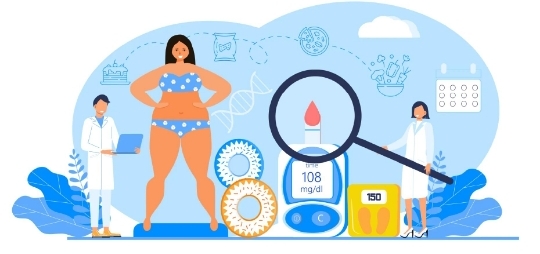
Obesity—particularly the accumulation of visceral fat around the abdomen—is not merely a matter of excess weight. It is linked to insulin resistance, inflammation, and irregularities in blood pressure and lipid levels. These factors can pave the way for type 2 diabetes and subsequently increase the burden on the kidneys and heart.
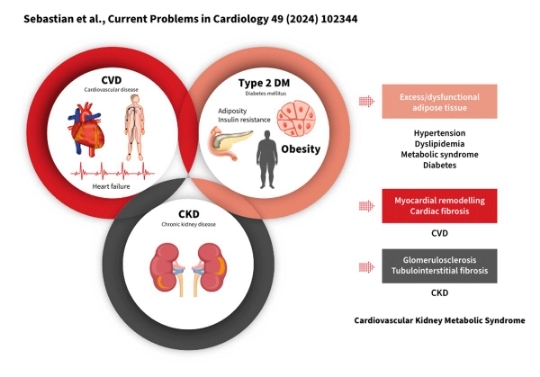
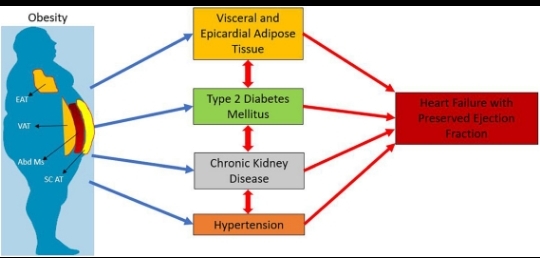
Persistent high blood sugar or blood pressure can lead to damage in the kidney's microvasculature and elevated urinary albumin levels, while simultaneously increasing the risk of atherosclerosis and heart failure. This issue is particularly significant for women as they age and transition into menopause, a stage during which cardiovascular and metabolic risk factors can shift. Guidelines from 2026 emphasize that these conditions should be viewed as interconnected components of a "cardio-renal-metabolic syndrome," rather than four separate diseases managed in isolation.
2. What warning signs require attention before the problem escalates?
The challenge is that this interconnected process can develop silently. A woman may not experience any obvious symptoms during the early stages of kidney disease; however, high blood pressure, an increased waist circumference, elevated HbA1c levels, or the presence of albumin in the urine can serve as early indicators of heightened risk. As the condition progresses, symptoms such as unusual fatigue, swelling of the legs or ankles, shortness of breath, reduced exercise tolerance, and frequent urination or thirst may appear; cardiac symptoms—such as palpitations or chest pain—may also manifest, depending on the specific case.

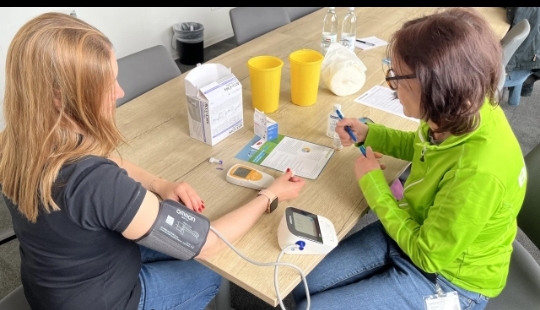
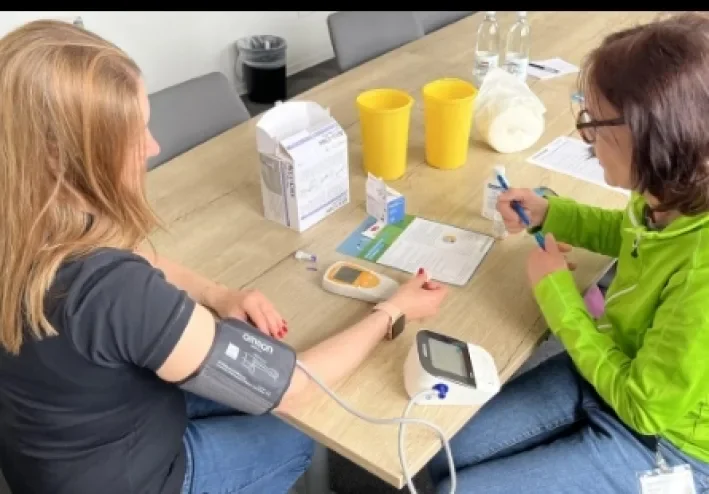
Therefore, simply waiting for symptoms to appear is insufficient; the modern approach relies on the early detection of risk factors through the measurement of blood pressure, body mass index (BMI), and waist circumference, as well as assessments of HbA1c, kidney function (including estimated GFR), and the urinary albumin-to-creatinine ratio, alongside an evaluation of lipid profiles and cardiac risk factors tailored to the individual.
3. Can this cycle be broken before it leads to heart disease or kidney failure?
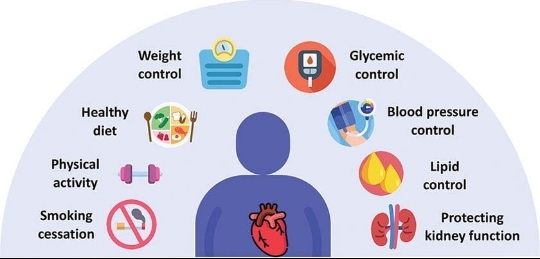
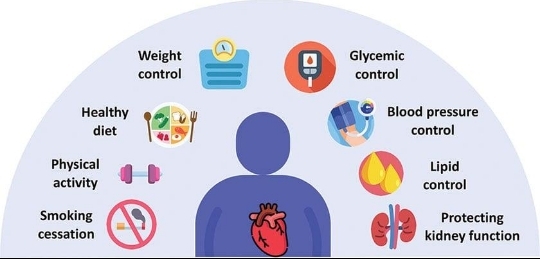
Yes. Prevention begins by addressing weight, blood sugar, blood pressure, lipid levels, and physical activity as a unified system. Interventions such as losing excess weight, improving diet quality, reducing sodium intake, engaging in regular physical activity, quitting smoking, ensuring quality sleep, and regularly monitoring blood sugar, blood pressure, and kidney function can all alleviate the cumulative burden on the heart and kidneys. However, this does not mean every woman requires the same plan; goals vary based on age, kidney function, the presence of diabetes or heart failure, pregnancy status (or plans for pregnancy), and current medications. The 2026 guidelines particularly emphasize that early management of obesity may prevent the condition from progressing to more complex stages of cardiorenal-metabolic syndrome, and that prevention is no longer merely general advice to lose weight, but rather part of an integrated therapeutic strategy.

4. What has changed regarding treatment in 2026?
The most significant change is that medication selection is no longer based solely on the drug's ability to lower blood sugar. For women with type 2 diabetes and chronic kidney disease, the 2026 ADA standards recommend using SGLT2 inhibitors—where appropriate—to slow the progression of kidney disease and reduce the risk of cardiac events. Meanwhile, GLP-1 receptor agonists have become a key component of the treatment strategy for suitable patients, particularly those with high cardiac or renal risk or obesity.
Evidence also points to renal and cardiovascular benefits associated with semaglutide. Meanwhile, drugs like tirzepatide represent a significant advancement in treating obesity and diabetes, though research into their direct cardiovascular and renal outcomes is ongoing. In certain cases of diabetes accompanied by kidney disease and persistent albuminuria despite standard therapy, a physician might consider prescribing finerenone. Modern guidelines sometimes recommend combining therapeutic classes with different mechanisms of action to achieve added protection; however, this requires an assessment of kidney function, blood pressure, potassium levels, and other medications, and combination therapy is not necessarily suitable for every woman.
5. Frequently Asked Questions
Has the approach to treatment really changed?
The most accurate answer is yes; the current trend is shifting from treating each condition in isolation to assessing the combined cardiovascular, renal, and metabolic risk, and then selecting interventions that offer multiple benefits simultaneously.
Does every woman with diabetes need a GLP-1 receptor agonist or an SGLT2 inhibitor?
No; the choice depends on the diagnosis, kidney function, cardiovascular risk, weight, other medications, cost, and tolerability. Does the absence of symptoms mean the kidneys and heart are healthy? Not necessarily; certain stages of kidney disease and cardiovascular disorders can be asymptomatic.
Is weight loss alone sufficient?
It can be highly impactful, but it does not replace the need to manage blood pressure, blood sugar, and lipid levels, or to treat existing kidney or heart disease.
Can more than one medication be used in combination?
This is possible for some patients but must be done under medical supervision, given the differing mechanisms of the drugs and the potential for side effects or imbalances in fluid, potassium, or blood sugar levels. The 2026 guidelines emphasize that coordinated care involving cardiology, endocrinology, nephrology, and primary care has become part of the proposed model for managing these overlapping conditions.
Medical Disclaimer:
This article is intended for general health information and awareness purposes only. It does not constitute a medical diagnosis or treatment prescription and is not a substitute for professional medical evaluation—particularly for individuals with diabetes, kidney disease, or heart disease, or for those who are pregnant or planning a pregnancy. You should not start or discontinue any medication for weight loss, diabetes, or heart conditions without consulting a healthcare professional.
Sources
1. American Heart Association — 2026 Cardiovascular-Kidney-Metabolic Syndrome Guideline
Reference: Ndumele CE, Rodriguez DF, Dixon DL, et al. 2026 AHA/ACC/ADA/ASN Guideline for the Prevention, Detection, Evaluation, and Management of Cardiovascular-Kidney-Metabolic Syndrome. Circulation. 2026;154:e50–e158. DOI: 10.1161/CIR.0000000000001453.
2. American Diabetes Association — Chronic Kidney Disease and Risk Management: Standards of Care in Diabetes—2026
Reference: American Diabetes Association Professional Practice Committee for Diabetes. 11. Chronic Kidney Disease and Risk Management: Standards of Care in Diabetes—2026. Diabetes Care. 2026;49(Suppl 1):S246–S260. DOI: 10.2337/dc26-S011.
3. American Diabetes Association — Cardiovascular Disease and Risk Management: Standards of Care in Diabetes—2026
Reference: American Diabetes Association Professional Practice Committee for Diabetes. 10. Cardiovascular Disease and Risk Management: Standards of Care in Diabetes—2026. Diabetes Care. 2026;49(Suppl 1):S216 onward.
4. American Diabetes Association — Abridged Standards of Care 2026
https://diabetesjournals.org/journals/collection/18339/2026-Abridged-Standards-of-Care
Reference: American Diabetes Association. Abridged Standards of Care 2026. Includes sections on chronic kidney disease, obesity and weight management, and pharmacologic treatment of diabetes.
تابع جديد Alkatp
اختر إشعارات الموقع أو البريد أو الاثنين. الزائر يقدر يشترك ببريده دون تسجيل حساب.
الإبلاغ عن المقال
لو لاحظت مشكلة في المحتوى، أرسلها لفريق المراجعة. لن تظهر بياناتك لكاتب المقال أو للقراء.
تعذّر إرسال البلاغ الآن. حاول مرة أخرى لاحقًا.
سجّل الدخول لإرسال بلاغ


النقاش
التعليقات (0)
فكرة تضيفها، أو سؤال يفتح حوارًا.
الرجاء تسجيل الدخول لتتمكن من التعليق