The Forgotten Prescription: Your 90-Day Guide to Healing After Antibiotics
The Forgotten Prescription: Your 90-Day Guide to Healing After Antibiotics
You’ve finished your course of antibiotics. The infection is gone, and the medical system considers your case closed. But if you’re feeling lingering fatigue, digestive unease, or a nagging sense that your body isn’t quite “back to normal,” you’re not imagining things. A crucial part of your treatment is missing
We are meticulous about how we prescribe antibiotics—the right drug, the right dose, the right duration. Yet, we are shockingly negligent about what happens next. Antibiotics are like a forest fire that rages through the complex ecosystem of your gut microbiome, killing the harmful invaders but also decimating the beneficial flora essential for your immunity, metabolism, and mood. The standard advice—“take a probiotic”—is like throwing a handful of grass seeds onto scorched earth and expecting a thriving meadow to return overnight
This article presents the indispensable follow-up care you deserve: The 90-Day Post-Antibiotic Recovery Protocol. It’s a science-backed, phase-by-phase plan to move from emergency stabilization to full ecological restoration of your inner health
The Problem: Why "Finish the Course" Isn't Enough
Antibiotics don’t discriminate. While eliminating pathogens, they also wipe out keystone bacterial species that perform vital functions
Producing nutrients like vitamins B12 and K
Training your immune system to distinguish friend from foe
Maintaining the gut lining, a critical barrier against inflammation
Regulating neurotransmitters that influence stress and mood
Leaving this ecosystem to recover on its own is a public health oversight. It can lead to a state of dysbiosis—microbial imbalance—linked to long-term issues like recurrent infections, irritable bowel syndrome (IBS), new food sensitivities, and persistent low energy. Recovery isn’t automatic; it requires active, intelligent restoration
The Solution: The 90-Day Recovery Protocol
Think of this not as a supplement regimen, but as ecological rehabilitation for your gut. Timing and sequence are everything
Days 1-30 | The Emergency Stabilization Phase
Goal: Prevent opportunistic takeover and support the remaining beneficial microbes
Your gut terrain is vulnerable post-antibiotics. The priority is to crowd out harmful bacteria like C. difficile that can flourish in the empty space
Action 1: Introduce a Strategic Probiotic
Use: Saccharomyces boulardii (a beneficial yeast). It is unaffected by antibiotics and clinically proven to reduce the risk of antibiotic-associated diarrhea and C. diff infection by protecting gut barrier function
Dose: 5-10 billion CFU daily, taken during and for at least 2 weeks after your antibiotic course
Action 2: Feed What’s Left (Prebiotic Care)
Use: Gentle, non-fermenting prebiotics like Partially Hydrolyzed Guar Gum (PHGG) or GOS (Galacto-oligosaccharides). These provide selective fuel for the good bacteria that survived, without causing major gas or bloating in a sensitive gut
Source: Supplement or foods like lightly cooked onions, asparagus tips, and oats
Days 31-60 | The Strategic Reconstruction Phase
Goal: Reintroduce resilient bacterial strains to rebuild the gut’s workforce
Now it’s time to reintroduce beneficial bacteria that can establish themselves in the healing environment
Action 1: Add Spore-Based Probiotics
Use: Probiotics containing Bacillus coagulans or Bacillus subtilis. These are hardy, spore-forming bacteria that survive stomach acid and act as “pioneer species,” helping to oxygenate the gut environment and prepare it for other microbes
Role: They are excellent for reducing bloating and supporting protein digestion
Action 2: Incorporate Fermented Foods
Use: 1-2 servings daily of diverse, traditionally fermented foods like unpasteurized sauerkraut, kimchi, kefir, and kombucha
Key: Start slow (1 teaspoon daily) and build up. This isn’t just about adding billions of CFUs; it’s about introducing a wide array of microbial functions and metabolites (like postbiotics) that directly heal the gut
Days 61-90 | The Diversification & Resilience Phase
Goal: Achieve a rich, diverse, and stable microbiome
Long-term resilience comes from diversity. This phase focuses on variety to create an ecosystem that can withstand future stressors
Action 1: Pursue Dietary Biodiversity
The "30-Plant" Challenge: Aim to consume 30 different types of plants per week. This includes fruits, vegetables, nuts, seeds, legumes, herbs, and spices. Each plant fiber feeds a different set of microbes, expanding your internal community’s skill set
Focus on Polyphenols: Berries, dark leafy greens, olives, and artichokes are rich in polyphenols—compounds that act as super-fuel for your most beneficial bacteria
Action 2: Engage in Mindful Microbial Exposure
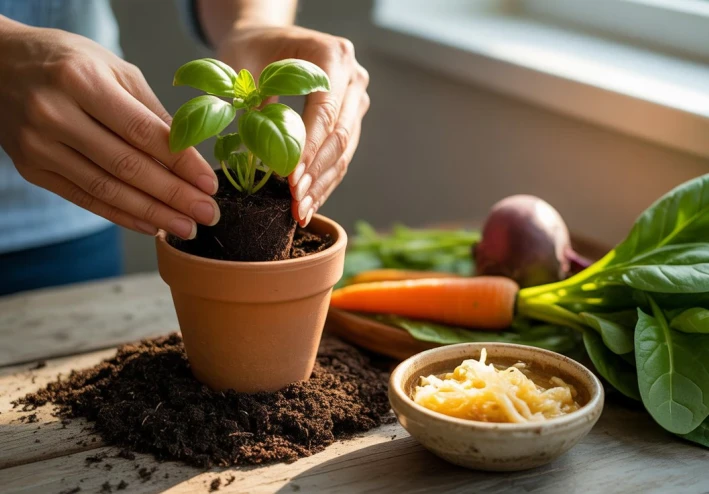
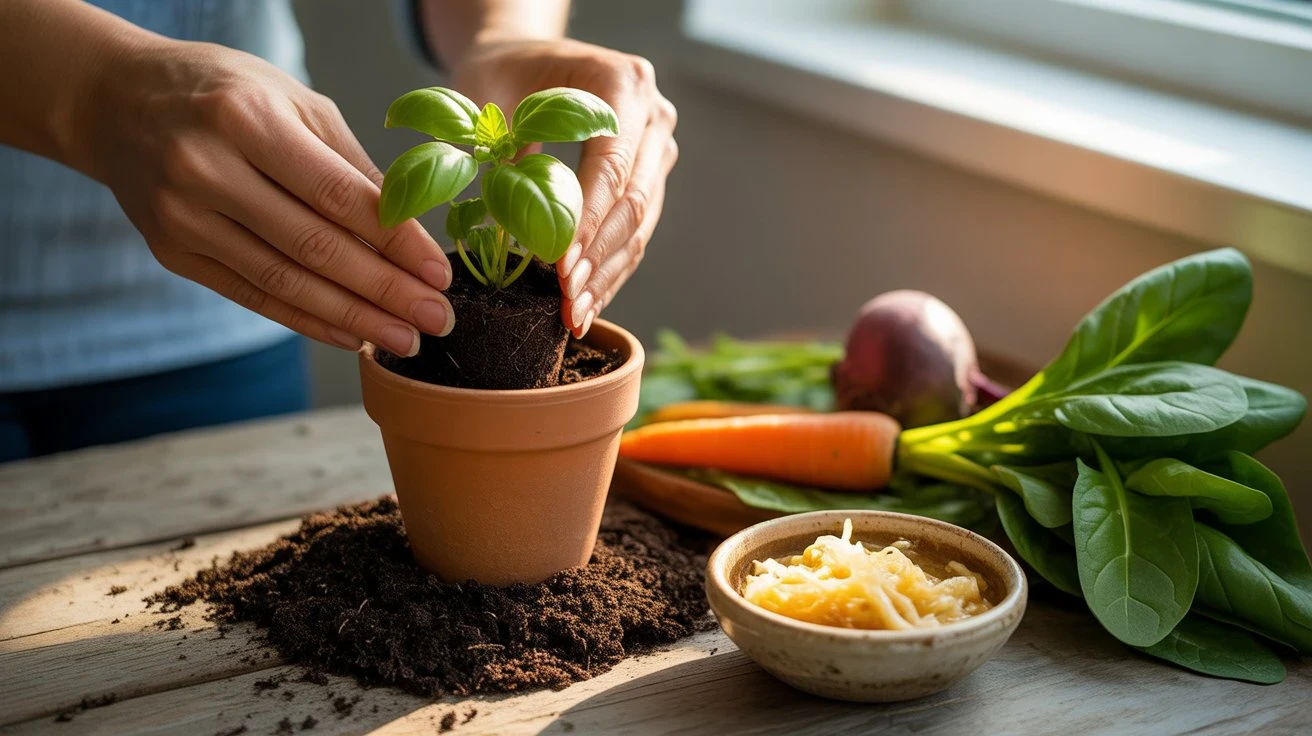
Get Dirty: Garden with your hands, hike in nature, and spend time around animals. These activities expose you to environmental microbes that can beneficially diversify your personal ecosystem. Studies on Mycobacterium vaccae, a soil bacterium, show it can act as a natural antidepressant
Rethink Cleanliness: Use plain soap and water instead of antibacterial soaps for daily use. Avoid over-sanitizing your home environment
From Passive Patient to Active Restorer
Completing a course of antibiotics is not the end of a health journey; it’s the beginning of a critical recovery window. By adopting the 90-Day Post-Antibiotic Recovery Protocol, you transition from being a passive patient to an active restorer of your own inner ecology
This protocol addresses the root cause of the post-antibiotic slump—ecological collapse—rather than just masking symptoms. It empowers you with a structured, scientific plan to rebuild something more resilient than what you had before. Your health is not just the absence of infection; it is the vibrant, thriving balance of the countless organisms that call you home. Give them the care they need to care for you
FAQs: Your Post-Antibiotic Recovery Questions Answered
Q1: Can I just take a general probiotic from the store instead of this protocol
A: A general probiotic may offer some help, but it’s like bringing a few tools to a major construction site. This protocol is a phased blueprint. S. boulardii in Phase 1 prevents specific risks; spore-based probiotics in Phase 2 are builders that survive harsh conditions; and dietary diversity in Phase 3 ensures long-term stability. Each phase has a distinct strategic goal
Q2: What if I took antibiotics months or years ago and still have issues
A: The protocol is still an excellent framework for you. You can enter at Phase 2 (Reconstruction). Begin with spore-based probiotics and fermented foods to reintroduce key species, then move diligently into Phase 3’s diversification focus. Healing is always possible
Q3: Are fermented foods like yogurt enough
A: Yogurt is a good start, but it typically contains only 2-3 bacterial strains. For true reconstruction, you need diversity. Unpasteurized sauerkraut, kimchi, and kefir can contain dozens to hundreds of strains, along with their valuable metabolites, offering a much broader healing effect
Q4: I have SIBO (Small Intestinal Bacterial Overgrowth). Should I follow this
A: If you have SIBO, proceed with caution and under a practitioner’s guidance. Phase 1 (S. boulardii and PHGG) is generally very safe and often recommended. Avoid Phase 2’s fermented foods and multi-strain probiotics initially, as they can aggravate SIBO. Focus on Phase 3’s dietary diversity with easily digestible plants after addressing the SIBO
Q5: Do I need to do this after every single antibiotic course
A: Absolutely. Every course, regardless of strength or duration, causes disruption. A short, targeted 90-day restoration after each course is the best insurance against cumulative damage and long-term dysbiosis