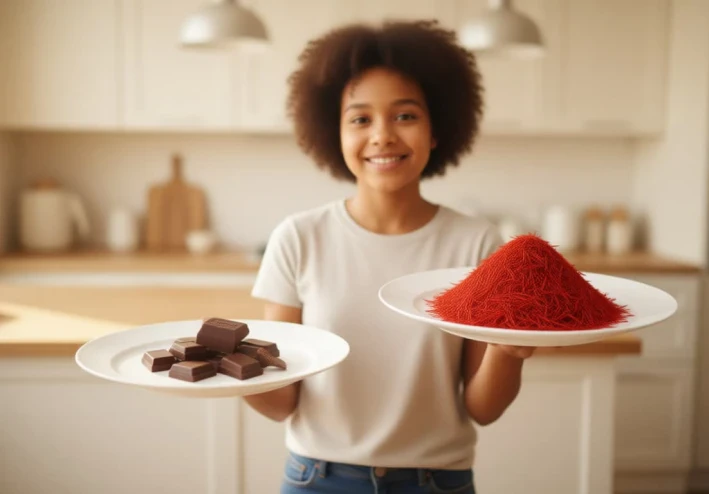
Saffron vs. Chocolate: The Ultimate Science-Backed Showdown for Your Mood
Saffron vs. Chocolate: The Ultimate Science-Backed Showdown for Your Mood
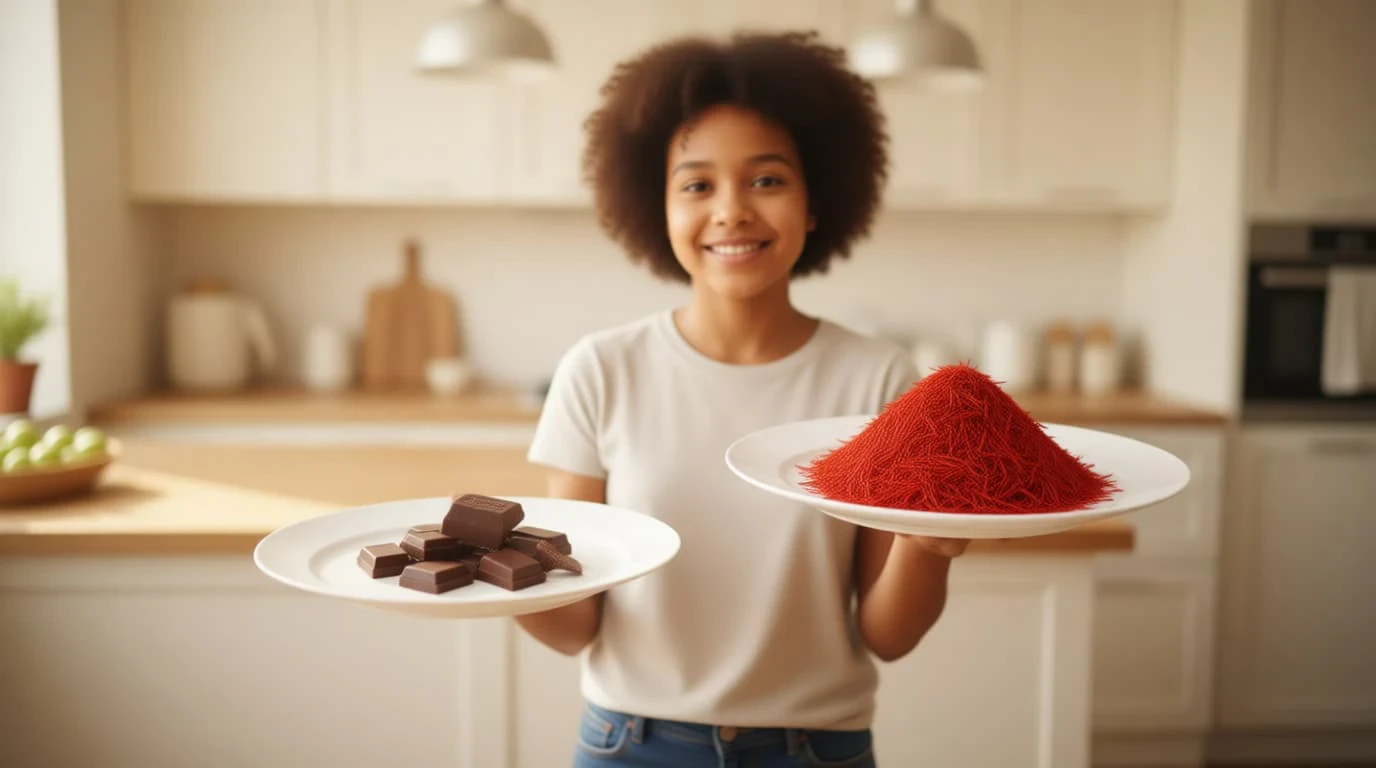
When a low mood strikes or anxiety begins to hum in the background, two timeless comforts often call our name: the rich, melting sweetness of dark chocolate or the exotic, aromatic promise of saffron. One is a ubiquitous treat; the other, the world's most precious spice. But which one truly holds the key to lifting your spirits? This isn't just a matter of taste—it's a fascinating biochemical duel
Moving beyond old wives' tales, modern nutritional psychiatry provides a clear lens to compare these two contenders. We'll analyze them not as mere snacks, but as complex neurochemical interventions. One offers immediate sensory pleasure and a subtle caffeine-like lift. The other works as a subtle, sustained regulator of the very neurotransmitters that govern our happiness. Let's unravel the science of saffron versus chocolate to determine which deserves a prime spot in your mental wellness toolkit
The Contenders & Their Active Arsenal
To understand their power, we must meet the key bioactive compounds behind the effects
Saffron's Secret Weapon: Crocin and Safranal
Within the delicate red threads of Crocus sativus reside its potent actives. Crocin is a carotenoid antioxidant that gives saffron its color, while safranal provides its signature aroma. Their primary mood mechanism is dual reuptake inhibition. This means they gently slow the brain's reabsorption of the "feel-good" neurotransmitters serotonin and dopamine, allowing these signals to linger longer and exert a more potent calming, uplifting effect. Human studies have consistently demonstrated its power
Dark Chocolate's Dynamic Duo: Theobromine and Flavonoids
Quality dark chocolate (70% cocoa or higher) delivers two major players. Theobromine is a mild stimulant and vasodilator, similar to caffeine but with a smoother, longer-lasting effect that enhances alertness and a sense of contentment. Cocoa flavonoids are potent antioxidants that improve blood flow, including to the brain, which may support cognitive function and a general sense of well-being. Its mood boost is often a blend of mild stimulation, sensory pleasure, and cardiovascular benefit
Mechanism of Action – How They Work in Your Brain
Saffron: The Sustained Regulator
Think of saffron as a skilled orchestra conductor for your mood. By modulating serotonin and dopamine levels, it addresses the core chemical pathways often implicated in low mood and anxiety. Clinical research, including a notable 2019 meta-analysis in Human Psychopharmacology, has found saffron extract to be as effective as common antidepressant medications (like fluoxetine and imipramine) for mild-to-moderate depression, with a more favorable side-effect profile. Its action is systemic and gradual, promoting balance over hours
Dark Chocolate: The Pleasurable Stimulant
Chocolate operates more like a delightful guest soloist. Theobromine provides a direct, gentle stimulant effect. Simultaneously, the sheer sensory pleasure of eating chocolate—the texture, taste, and aroma—triggers a real, measurable release of endorphins and activates the brain's reward centers. Its effect is more immediate and sensory, offering a quick escape or a momentary lift, supported by improved blood flow from its flavonoids
The Verdict – A Head-to-Head Comparison
Aspect | Saffron (The Regulator) | Dark Chocolate (The Stimulant) |
|---|---|---|
Primary Mood Action | Serotonin & Dopamine reuptake inhibition; sustained anxiolytic & antidepressant effect | Mild stimulation (theobromine); sensory pleasure; vasodilation |
Speed of Effect | Gradual; effects build with consistent daily use over weeks | Relatively fast; sensory and stimulant effects felt within minutes to an hour |
Key Research Backing | Multiple RCTs show efficacy comparable to SSRIs for depression and anxiety | Observational and mechanistic studies link flavonoid-rich cocoa to improved mood and cognition |
| Dosage for Mood | 30 mg daily of a standardized extract (approx. a generous pinch of high-quality threads) | 40-60g of 70%+ dark chocolate daily (about 2-3 small squares) |
Ideal For | Managing persistent low mood, chronic mild anxiety, and promoting long-term emotional balance | Providing an immediate pick-me-up, enhancing a moment of pleasure, and short-term stress relief |
Considerations | High cost, quality is crucial; very safe at recommended doses | Calorie-dense; can contain sugars/fats; may trigger migraines or affect sensitive individuals |
Not a Winner, But a Powerful Alliance
The saffron vs. chocolate debate reveals not one winner, but two powerful tools for different needs. View them as complementary players on your mental wellness team
Choose Saffron as Your Foundation if you seek a consistent, evidence-based regulator for ongoing mood stability, akin to a daily supplement for emotional resilience. It’s the long-term strategist
Choose Dark Chocolate as Your Tactical Tool for an immediate, pleasurable boost during a midday slump or a moment of acute stress. It’s the quick-response artist
For a synergistic effect, consider integrating both: a daily regimen of saffron for foundational balance, punctuated by mindful moments of high-cocoa dark chocolate for acute pleasure. This strategy honors both the complex biochemistry of sustained mental health and the simple, profound human joy found in a delicious treat
Ultimately, listening to your body is key. Both of these gifts from nature remind us that what we consume can be a powerful, intentional act of self-care for the mind
FAQs: Your Saffron & Chocolate Questions Answered
Q1: Can I just cook with saffron to get the mood benefits
A: While culinary saffron adds flavor and color, achieving the studied therapeutic dose (around 30mg of bioactive compounds) through cooking alone can be difficult and extremely costly, as you'd need a substantial pinch of high-quality threads daily. For consistent mood support, a standardized saffron extract supplement is often more practical and reliable
Q2: Isn't chocolate's mood effect just psychological
A: Not entirely. While the pleasure of eating it plays a role, the biochemistry is real. Theobromine is a confirmed mild stimulant and vasodilator, and cocoa flavonoids have been shown in studies to improve cerebral blood flow and reduce oxidative stress, which are linked to positive cognitive and mood states
Q3: Can I take saffron and an SSRI/antidepressant together
A: This requires strict medical supervision. Because saffron influences serotonin pathways, combining it with pharmaceutical SSRIs could theoretically increase the risk of serotonin syndrome (a rare but serious condition). You must consult your prescribing doctor before adding saffron to your regimen
Q4: What type of dark chocolate is best
A: Look for dark chocolate with 70% cocoa content or higher and a short ingredient list (cocoa mass, cocoa butter, sugar, perhaps vanilla). Avoid "Dutch-processed" or alkalized cocoa, as this reduces flavonoid content. The higher the cocoa percentage, the lower the sugar and the higher the beneficial compounds
Q5: Which is more cost-effective for mood support
A: Despite its high upfront cost, a saffron extract supplement can be more cost-effective per dose for targeted mood benefits. A month's supply of a clinical-grade extract often costs less than consuming a therapeutic amount of premium dark chocolate daily. However, chocolate offers additional sensory and culinary joy that adds intangible value